Alcohol Dependence Symptoms
A person can still go to work, care for a family, and appear fine from the outside while alcohol dependence symptoms are steadily taking over daily life. The warning signs include more than just drinking every day or being visibly intoxicated. They often show up as failed promises to cut back, growing anxiety when alcohol is unavailable, strained relationships, and a body that feels unwell without a drink. 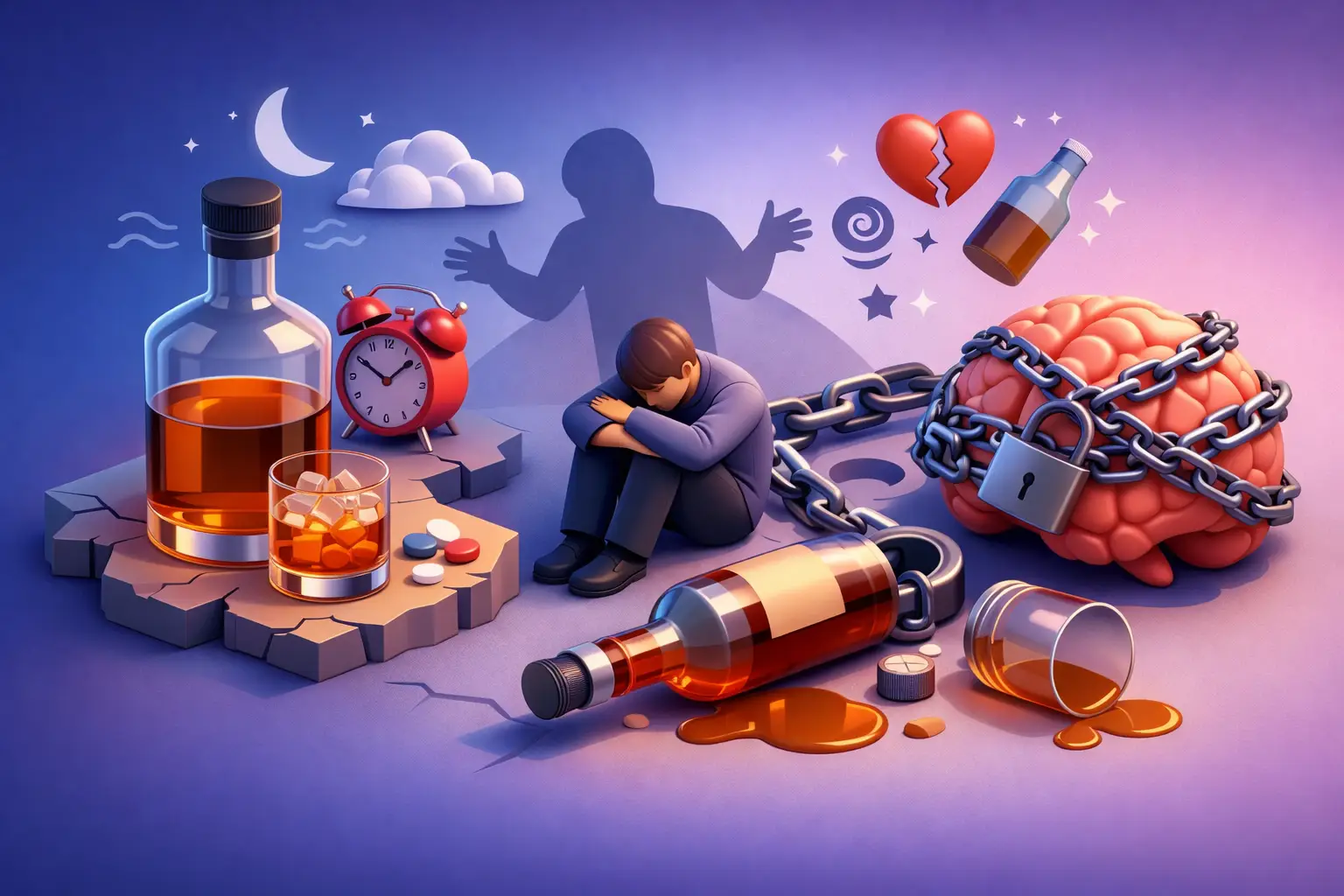
Alcohol dependence is not a character flaw or a failure of willpower. It is a pattern in which alcohol becomes increasingly central to how a person manages stress, sleep, emotions, social situations, and physical discomfort. Recognizing the pattern early creates more options for intervention before the consequences become more severe.
What Alcohol Dependence Actually Looks Like and What Are the Alcohol Dependence Symptoms
Alcohol dependence develops when drinking shifts from a choice to a felt necessity. A person may begin by drinking to relax after work, cope with pressure, or fall asleep. Over time, the brain and body can adapt to regular alcohol exposure. The person may need more alcohol to get the same effect, feel distressed when they try to stop, and continue drinking despite clear harm.
 The line between heavy drinking and dependence is not defined by one number alone. Frequency and quantity matter, but so does control. Someone who drinks less often can still have a serious problem if each episode leads to blackouts, dangerous decisions, family conflict, legal trouble, or an inability to stop once they start.
A useful question is simple: if alcohol has created consequences, and those consequences have not been enough to make drinking stop, the situation deserves direct attention.
Alcohol Dependence Symptoms in Daily Life
Many people recognize only the most dramatic signs of alcohol problems. In reality, dependence can be identified through a combination of behavioral, emotional, and physical changes. 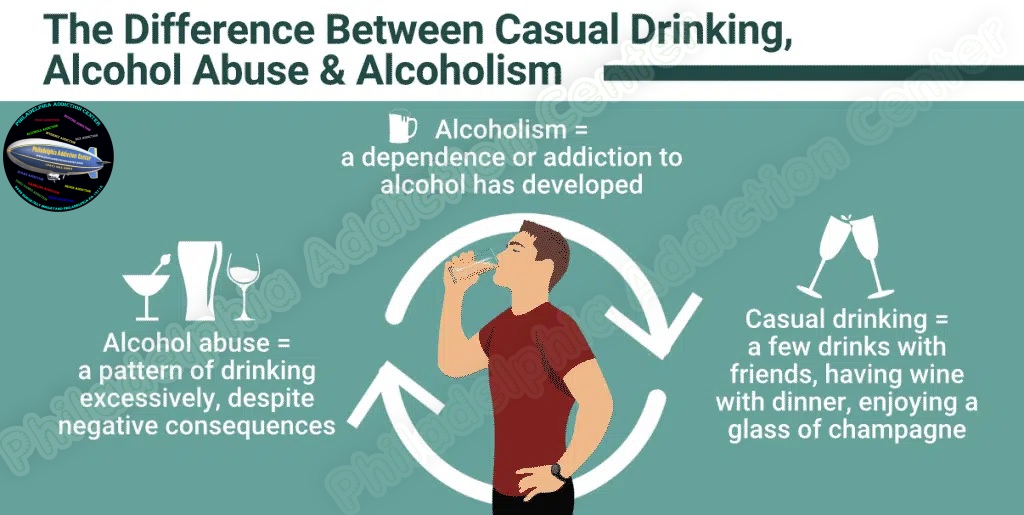
Loss of control around drinking
One of the clearest signs is repeatedly drinking more or longer than planned. A person may intend to have one or two drinks, then continue until the evening is over. They may set rules such as only drinking on weekends, not drinking before dinner, or never drinking alone, then repeatedly break those rules.
This loss of control is often followed by guilt and promises to do better. When the same cycle repeats, the issue is no longer simply motivation. It is a dependency pattern that needs a different level of support.
Cravings and preoccupation
Cravings are more than a passing thought about having a drink. They can feel like an urgent mental pull that makes it difficult to focus on anything else. A person may plan their day around drinking, worry about whether enough alcohol is available, or become irritable when plans interfere with it.
Alcohol may also become the default response to discomfort. Stress, boredom, loneliness, frustration, celebration, and trouble sleeping can all become reasons to drink. When alcohol feels like the only reliable way to change how you feel, dependence may be developing.
Tolerance and escalating use
Tolerance means needing more alcohol to feel the same effect that a smaller amount once produced. It can make drinking seem manageable because the person may not appear as impaired as they once did. But needing larger amounts can increase health risks and make it harder to stop safely.
Escalation is not always obvious. It may look like buying more alcohol than usual, pouring stronger drinks, drinking earlier in the day, or adding alcohol to routines that once did not include it. 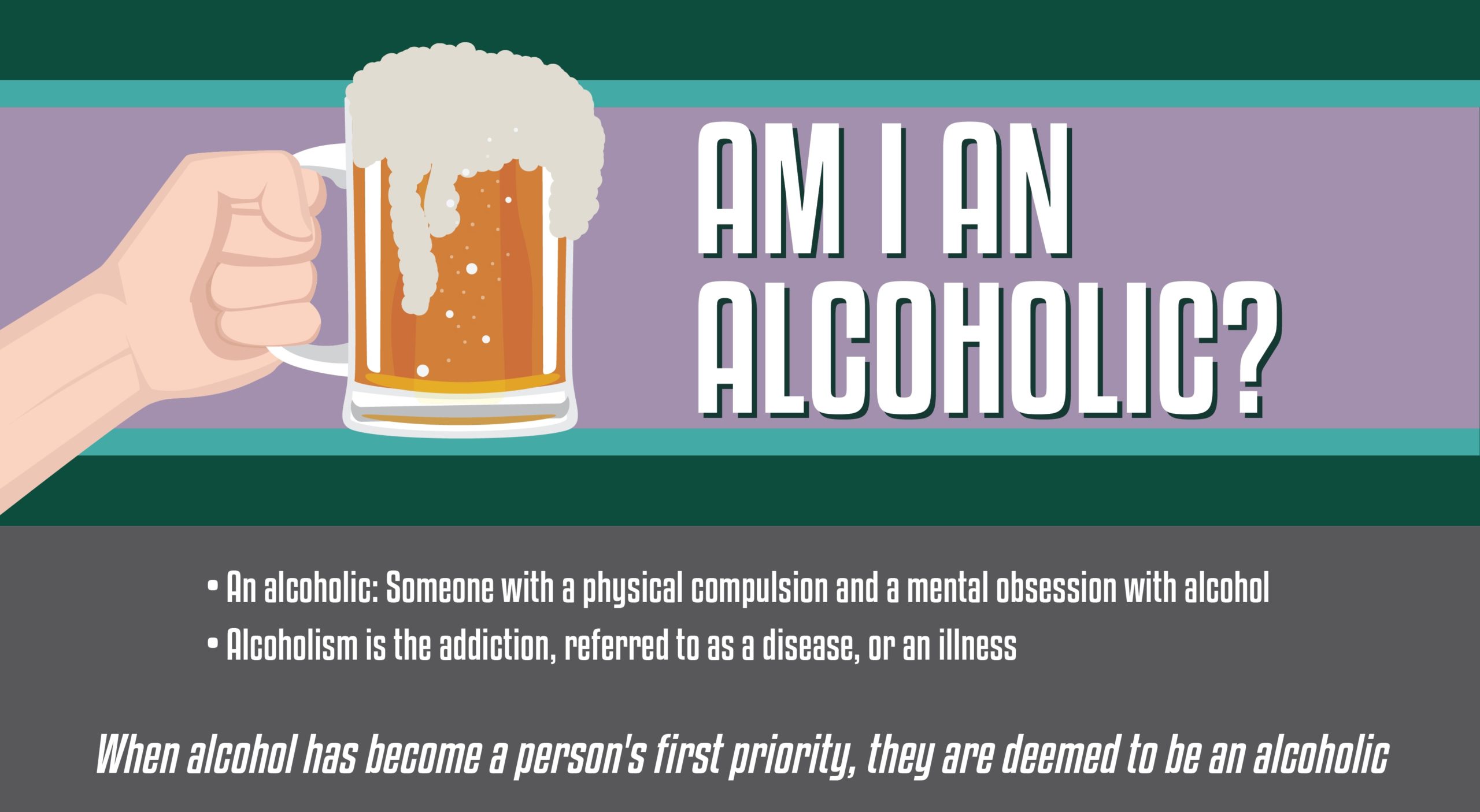
Drinking despite consequences
Dependence frequently continues even after alcohol has caused problems. Those problems may include arguments with a spouse or partner, missed responsibilities, poor performance at work, financial strain, risky driving, sleep disruption, or legal concerns.
Some people minimize these consequences because they are still functioning in other parts of life. Yet functioning is not the same as being well. If alcohol is repeatedly costing you trust, stability, health, or peace of mind, waiting for a larger crisis is not a treatment plan.
Hiding, minimizing, and isolation
Secrecy often grows alongside dependence. A person may hide bottles, drink before an event, replace alcohol so others will not notice, or become defensive when someone expresses concern. They may withdraw from people who question their drinking and spend more time in situations where alcohol use feels protected.
Loved ones may notice changes before the person drinking does. If family members are walking on eggshells, checking how much alcohol is in the house, or avoiding difficult conversations to prevent an argument, alcohol is already affecting more than one person.
Physical Symptoms and Warning Signs of Withdrawal
The body can become dependent on alcohol as well. After regular or heavy use, reducing or stopping alcohol may trigger withdrawal symptoms. These can begin within hours after the last drink and may range from uncomfortable to medically dangerous.
Early symptoms can include shaking, sweating, nausea, headache, anxiety, irritability, trouble sleeping, a racing heartbeat, and difficulty concentrating. Some people drink in the morning or drink simply to stop feeling sick, shaky, or panicked. That is a serious warning sign that the body may be relying on alcohol to function normally.
More severe withdrawal can involve confusion, hallucinations, seizures, severe agitation, fever, or a dangerously rapid heartbeat. These symptoms require emergency medical care. Do not attempt to manage severe withdrawal alone at home. Call 911 or seek emergency help immediately if seizures, hallucinations, confusion, chest pain, fainting, or severe vomiting occur.
The safest approach depends on how much and how often a person has been drinking, whether they have experienced withdrawal before, and their overall medical history. A professional assessment can determine whether medical detoxification is needed before starting outpatient treatment.
When It Is Time to Seek Treatment
Treatment is appropriate long before someone loses a job, gets arrested, or experiences a medical emergency. It is time to seek help when attempts to quit have failed, drinking has become secretive, cravings feel difficult to manage, or alcohol is creating damage at home, at work, or in your health.
External pressure can also be a turning point. A spouse, employer, court requirement, or concerned family member may push someone to get evaluated. That pressure can feel uncomfortable, but it can open the door to a meaningful change. The goal is not simply to satisfy someone else. It is to identify what is maintaining the pattern and create a plan that makes sobriety more realistic.
Treatment should be individualized. Some people need medical stabilization first. Others benefit from structured behavioral intervention, support for stress and triggers, and a practical relapse-prevention plan. The right path depends on the severity of symptoms, previous attempts to stop, co-occurring emotional concerns, and the person’s home environment.
A Focused, Individualized Path Forward
There is no benefit in pretending that every person needs the same approach. Some people are looking for an alternative to a traditional rehab setting. Others need privacy, direct accountability, or help after repeated failed attempts to quit on their own.
Philadelphia Addiction Center provides focused alcohol interventions designed around the individual, including hypnosis, hypnotherapy, auricular acupuncture using the NADA protocol, and alcohol-deterrent treatment options when clinically appropriate. These services can be part of a structured plan to address cravings, habits, emotional triggers, and the destructive routines that keep alcohol at the center of life.
Complementary approaches are not a substitute for emergency care or medically supervised withdrawal management when those are needed. They may, however, offer a practical treatment option for people who want targeted support beyond a one-size-fits-all program. A thorough evaluation helps establish the safest and most appropriate next step.
Do Not Wait for Rock Bottom; Focus on Alcohol Dependence Symptoms
The idea that someone must hit rock bottom before getting help has kept too many people stuck. There is no prize for waiting until alcohol has taken more from your health, relationships, finances, or future. Dependence can become more entrenched with time, but it can also be interrupted with timely, decisive treatment.
If you recognize these alcohol dependence symptoms in yourself, take the concern seriously. If you recognize them in someone close to you, speak clearly, avoid rescuing or enabling the pattern, and encourage a professional evaluation. The next step does not have to be perfect. It simply has to move in the direction of safety, accountability, and a life that is no longer organized around alcohol.
Philadelphia Addiction Center is the #1 Outpatient Treatment Facility for Alcohol Abuse.
While alcoholism treatment centers are in almost every state of the US, not all of them can prove a high success rate in the treatment of alcohol abuse. Philadelphia Addiction Center, the subdivision of the Philadelphia Holistic Clinic, is known as the home for the “Esperal Implant” on the East Coast of the USA. The success rate of the treatment provided at the center is way above average in the industry.
For more information about Esperal treatment for alcohol abuse, contact the Philadelphia Addiction Center at (267) 403-3085