Review Hypnotherapy for Addictions and Bad Habits
If you have promised yourself this was the last drink, cigarette, or bet and found yourself repeating the same pattern days later, you do not need another lecture about willpower. You need an intervention that addresses the automatic thoughts, urges, and emotional triggers driving the behavior. This hypnotherapy review explains what hypnosis-based treatment can realistically offer, what a session involves, and how to decide whether it belongs in your recovery plan.

What Hypnotherapy Is Designed to Address
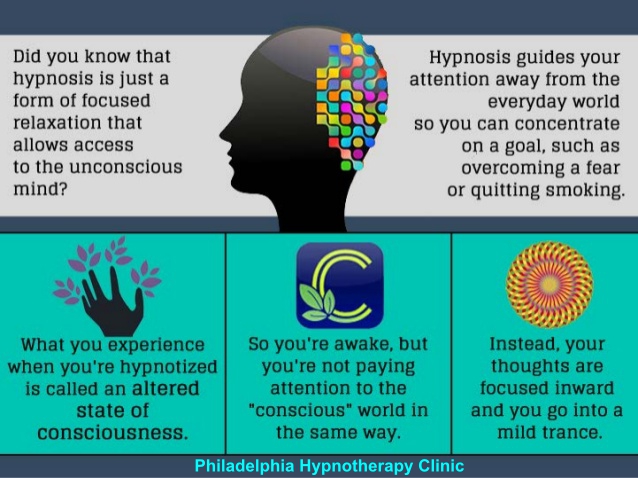
Hypnotherapy is a focused therapeutic method that uses guided relaxation, attention, and suggestion to help a person work with habits that may feel stronger than conscious intention. It is not sleep, unconsciousness, or a loss of control. During a session, you can hear the practitioner, respond if needed, and remain aware of your surroundings.
For alcohol misuse, nicotine dependence, and gambling behaviors, the goal is often to interrupt a familiar internal sequence: stress, craving, rationalization, action, regret, and a renewed promise to stop. A trained hypnotherapist works with the associations inside that sequence. That may include the urge to drink after work, the sense that a cigarette creates relief, or the belief that one more wager can fix a financial loss.
The appeal is straightforward. Many people already know the consequences of their behavior. Information has not been the missing factor. They need help changing the response that occurs before they have time to talk themselves into repeating it.
A Hypnotherapy Review: What Happens in Treatment
A responsible hypnotherapy program starts with an assessment, not a script pulled from the internet. The provider should ask about the behavior itself, prior attempts to stop, triggers, stress levels, health history, goals, and the consequences already affecting your family, work, finances, or legal situation.
The session usually begins with a conversation about a specific target. For one person, that might mean stopping smoking completely. For another, it may be building a clear alcohol-free plan for evenings, social events, or high-conflict situations. Someone struggling with gambling may need to address chasing losses, secrecy, impulsive online access, and the emotional crash that follows a wager.
The hypnosis portion commonly involves guided breathing, progressive relaxation, focused imagery, and therapeutic suggestions. You may be asked to picture a situation that normally creates an urge, then rehearse a different response while calm and supported. The work can also strengthen personal reasons for change, such as protecting a relationship, meeting a court requirement, improving health, or taking back control of money and time.
Sessions are individualized because the same behavior can serve very different purposes. One person drinks to numb anxiety. Another smokes during every work break because it has become a conditioned routine. Another gambles when feeling lonely, frustrated, or convinced that a win is overdue. Treating the pattern requires understanding what the behavior has been doing for you, not simply telling you to stop.
What Hypnosis Can and Cannot Do
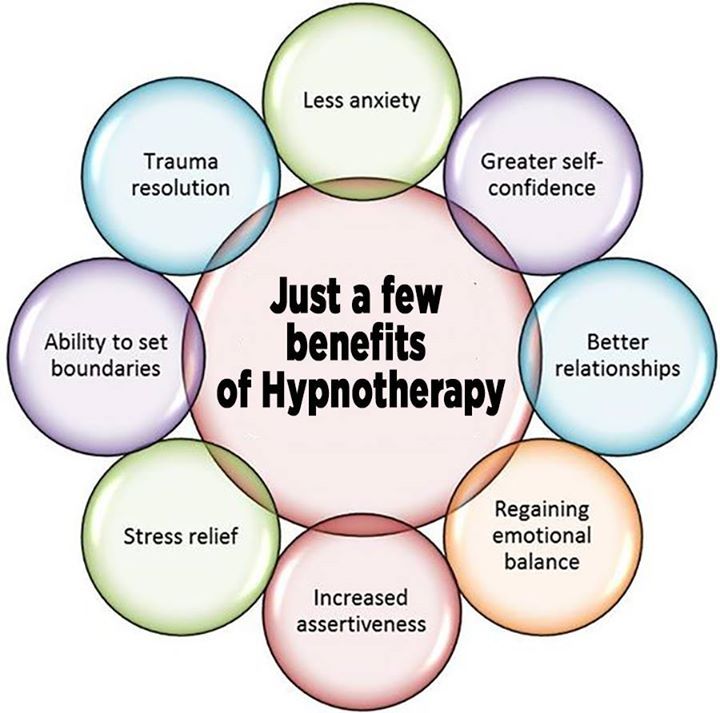
Hypnosis can help make a chosen change feel more accessible. It may reduce the intensity of habitual thinking, reinforce commitment, and give you a practiced mental response when cravings or triggers appear. It can be particularly useful for people who feel stuck in repetitive behavior despite sincere effort.
It is not mind control, and it cannot force a person to act against their values or create a permanent result from one session. No ethical provider should promise that hypnosis will erase every craving, solve every emotional issue, or guarantee that you will never relapse. Recovery work still requires action between appointments: changing routines, avoiding known triggers when possible, putting accountability in place, and following through when discomfort shows up.
That trade-off matters. Hypnotherapy is often strongest as part of a focused treatment plan rather than as a passive experience you hope will fix everything for you. If alcohol use has become severe, stopping suddenly can also carry medical risks. A qualified professional should help you determine whether you need a medical evaluation or a higher level of care before starting an outpatient approach.
Hypnotherapy Review: Who May Benefit Most
Hypnotherapy tends to fit people who are ready to change but need more effective support when they are tempted. Readiness does not mean feeling perfectly confident. It means recognizing that the current pattern is causing real harm and being willing to practice a different response.
It can be especially appropriate when traditional approaches have felt too general, when privacy matters, or when you want a direct, individualized intervention. Adults facing family pressure, employment concerns, financial damage, or legal requirements may also benefit from a structured plan that gives them clear next steps and professional documentation when appropriate.
Results depend on several factors: the severity and duration of the behavior, the presence of untreated anxiety or depression, the stability of your home environment, your willingness to attend sessions, and whether you follow the treatment recommendations. A person who continues to keep alcohol at home, carries cigarettes daily, or leaves unrestricted gambling access in place is asking for willpower to do too much. Treatment works better when the environment supports the decision.
Questions to Ask Before You Commit
Not all hypnosis services are the same. Before scheduling, ask how the provider evaluates your needs, how they tailor sessions to alcohol, smoking, or gambling concerns, and what additional supports they recommend. You should understand the expected number of visits, the cost, the cancellation policy, and what progress will look like in practical terms.
Ask whether the provider has experience working with the specific behavior you want to change. A general relaxation session is not the same as a treatment-focused program built around cravings, relapse patterns, emotional triggers, and behavioral accountability.
It is also reasonable to ask how the practice handles court-ordered alcohol evaluations or treatment documentation. If a legal matter is involved, clarity and timeliness are essential. Do not assume that any wellness provider can produce the assessments or records an attorney, court, employer, or monitoring program requires.
At Philadelphia Addiction Center, treatment planning can combine hypnotherapy with complementary approaches such as auricular acupuncture using the NADA protocol and targeted alcohol interventions when clinically appropriate. The purpose is not to overload you with services. The goal is to create a plan that addresses both the urge itself and the conditions that keep it active.
Turning a Session Into Real-World Change
The most useful question is not, “Will hypnosis work on me?” A better question is, “What will I do differently when the next trigger arrives?” Before treatment begins, identify the moments that most often lead to a drink, cigarette, or wager. Be specific: the drive home, a payday deposit, an argument, an empty house, a sports event, or the first hour after waking.
Then build a response that is concrete enough to use under pressure. That might mean leaving a setting, calling a support person, delaying the decision for 20 minutes, revoking access to money or gambling accounts, using a practiced breathing exercise, or attending a scheduled session before the pattern escalates. Hypnotherapy can reinforce that plan, but it needs to exist.
A good program also makes room for setbacks without treating them as permission to give up. A lapse should be examined quickly: What happened before it? What thought gave it permission? What safeguard was missing? That information can sharpen the next session and prevent one bad decision from becoming a full return to the old cycle.
Change becomes more believable when it is measured in real moments: declining the drink after a long day, finishing a work break without smoking, and closing the betting app before a deposit becomes a loss. If you are tired of negotiating with a destructive habit, seeking focused help can be the first decisive step toward a life that no longer revolves around it.
Hypnotherapy Review and How to Find a Hypnotherapist Near Me
Now, based on the hypnotherapy review, you have to find the hypnotherapist that would be professional enough to handle your medical condition. When you are looking for a hypnotherapist near me to treat medical conditions (depression, anxiety, insomnia, fears, etc.), you must find not only a skilled hypnotist but also the best hypnotist in your area. Please keep in mind that a good hypnotherapist is a medical doctor who understands the mechanisms of medical conditions and knows how to apply hypnotic treatment. At the Philadelphia Hypnotherapy Clinic, internationally recognized hypnotherapist and medical doctor Victor Tsan treats patients with various medical conditions. As a physician, he also combines clinical hypnosis therapy with homeopathic medicines and acupuncture, thus significantly increasing the treatment success rate. Contact our clinic at 267-403-3085 or use our online scheduling system.