Gambling Addiction Controled by Hypnotherapy
The problem with gambling addiction is not a lack of intelligence or willpower. Many people who need help can see the damage clearly—the money gone, the lies, the stress at home, the constant promise to stop after one more bet. So when people ask, Can hypnosis help with gambling addiction?, they are usually not asking out of curiosity. They are asking because what they have tried so far has not been enough.
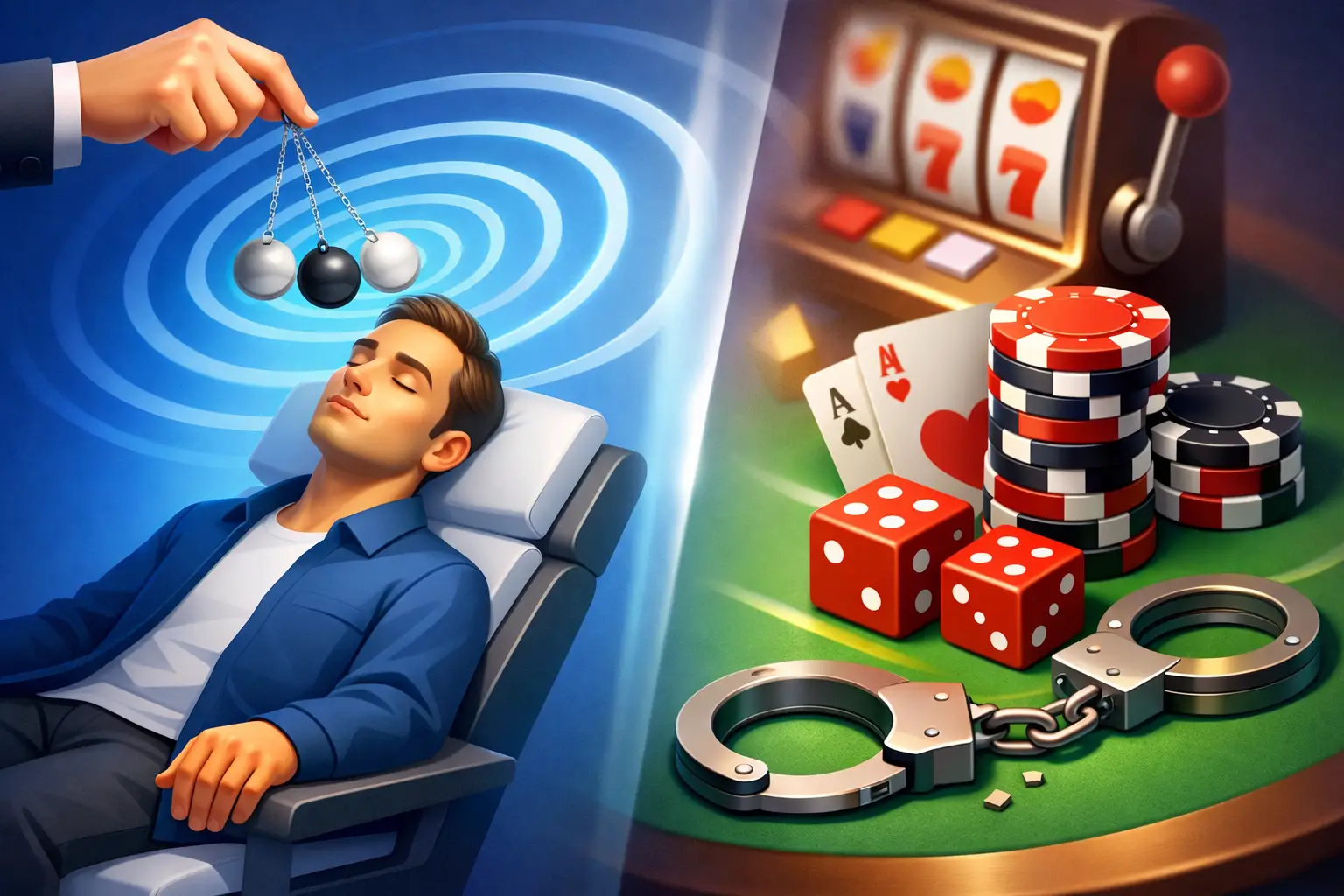
In short, hypnosis can help with gambling addiction for the right person and in the right treatment setting. It requires time and effort, not magic or a one-session cure. But it can be a powerful clinical tool for interrupting compulsive behavior, reducing triggers, and helping someone build a different response to stress, boredom, or emotional pressure.
Can hypnosis help with gambling addiction in a real treatment plan?
Yes—when it is used as part of a focused, individualized approach. Gambling addiction is often driven by repeated mental loops. A person starts chasing losses, seeking escape, or craving the rush of uncertainty. Over time, those patterns become automatic. Even when the consequences are severe, the urge can still feel immediate and hard to control.
Hypnotherapy works by helping the mind step out of that automatic state. In a guided hypnotic session, the person is brought into a deeply relaxed and highly focused condition. This is not sleep, and it is not mind control. It is a therapeutic state where unhealthy thought patterns can be addressed more directly, with less mental resistance.
That matters because many people with gambling addiction already know what they should do. The gap is not usually information. The gap is behavior. Hypnosis is used to help close that gap by targeting the emotional and subconscious drivers behind the urge to gamble.
How hypnosis addresses gambling triggers
Compulsive gambling is rarely an isolated behavior. Some people gamble when they feel anxious. Others do it when they feel empty, restless, furious, or desperate to recover money they already lost. For some, the trigger is environmental—a casino, a sportsbook app, a payday, or a private moment with a phone. For others, it is emotional escape.
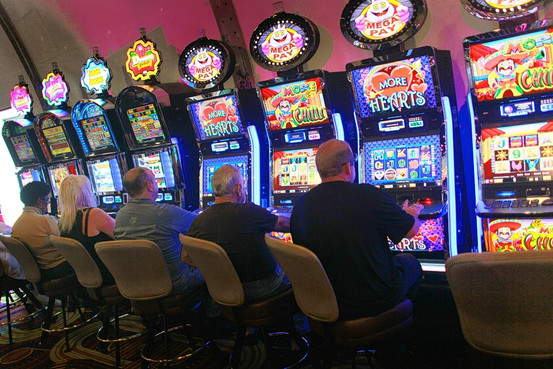
Hypnosis can help by weakening the old association between trigger and action. Instead of moving straight from stress to gambling, the person learns to pause, regain control, and tolerate the urge without acting on it. Over time, this process can lower the intensity of cravings and make relapse less likely.
This is also why treatment has to be specific. A person gambling to numb grief may need a different hypnotic strategy than someone obsessed with chasing losses. Good treatment does not use the same script for everyone. It identifies the pattern, the payoff, and the pressure points.
What hypnotherapy for gambling addiction may work on
In a clinical setting, hypnosis may be used to address several parts of the problem at once. It can help reduce compulsive urges, strengthen motivation to stop, and increase awareness of the real consequences attached to continued gambling. It may also support emotional regulation, which is critical for people who use betting as a way to avoid discomfort.
Another key area is impulse control. Gambling addiction often feels like it happens too quickly. The decision happens before the person fully thinks it through. Hypnotherapy can help slow that process down internally. That pause can be the difference between acting on the urge and choosing not to.
For some people, hypnosis also helps with the shame cycle. After gambling, many people feel guilt, panic, and self-disgust. Those emotions can trigger more gambling, especially if the person starts thinking the situation is already ruined. Treatment needs to break that cycle, not just lecture the person about better choices.
What hypnosis can and cannot do
This aspect is where honesty matters. Hypnosis can be highly effective, but it is not a shortcut around accountability. If someone actively hides gambling, refuses structure, or expects one appointment to erase years of compulsive behavior, they may see limited results.
It also works better when the person is willing to engage. You do not have to be perfectly motivated. Many people come to treatment exhausted, skeptical, or pushed by family pressure. That is common. But there still has to be some level of participation and openness to change.
What hypnosis can do is help shift the mental state that keeps the addiction active. It can lower internal resistance, improve follow-through, and make other treatment steps easier to carry out. What it cannot do is make consequences disappear or replace a full recovery plan when one is needed.
Why some people choose hypnosis after other methods fail
Many adults struggling with gambling addiction are not looking for a generic rehab experience. They want privacy, direct treatment, and a method that feels targeted to the real problem. Some have tried to quit on their own repeatedly. Some have sat through counseling that felt too passive. Others want an option that does not rely on medication.
That is where hypnosis often stands out. It is active, focused, and designed to interrupt the actual behavior pattern. Instead of talking around the problem for months, treatment can move quickly toward the triggers, beliefs, and emotional responses driving the gambling.
At Philadelphia Addiction Center, we build this kind of work around individualized care rather than one-size-fits-all programming. That matters because gambling addiction can look controlled from the outside long after it has become destructive underneath.
Can hypnosis help with gambling addiction if the urges feel overwhelming?
It can, but the answer depends on severity, timing, and support. If someone is in an active spiral—gambling daily, lying constantly, draining accounts, or facing major family or legal consequences—hypnosis may still help, but it should be part of a broader intervention strategy. The more entrenched the behavior, the more important structure becomes.
For someone earlier in the cycle, hypnotherapy may help stop the escalation before it gets worse. For someone who has relapsed after previous attempts to quit, it may provide a different route to behavior change. For someone who keeps saying, “I don’t understand why I keep doing this,” hypnosis can be especially useful because it targets the part of the pattern that feels automatic and out of reach.
The main point is this: overwhelming urges do not mean a person is beyond help. They usually mean the addiction has moved past simple self-control and now needs focused treatment.
What a treatment process may look like
A proper clinical process starts with assessment. The provider needs to understand how often the person gambles, what the triggers are, what consequences are already present, and what previous attempts to stop have looked like. That information shapes the treatment plan.
From there, hypnotherapy sessions are used to target the specific drivers behind the behavior. Depending on the person, treatment may focus on urge reduction, emotional regulation, relapse prevention, or changing the internal reward attached to gambling. In some cases, complementary services may also support the recovery process, especially when stress and anxiety are major factors.
This is not about putting someone into a trance and hoping for the best. It is a structured behavioral intervention. The goal is to help the person regain control, reduce the pull of gambling, and create enough internal stability to make better decisions consistently.
When to seek help now, not later
If gambling is affecting your finances, your relationships, your ability to sleep, or your peace of mind, waiting usually makes the problem pricier and more painful. Gambling addiction tends to grow in private. People hide it, minimize it, and keep betting to fix what gambling has already damaged.
That is precisely why early intervention matters. You do not need to reach a dramatic low point to qualify for treatment. If you keep trying to stop but cannot, that is already serious enough. If your family is losing trust, if bills are being ignored, or if your thoughts keep circling back to the next opportunity to gamble, then the pattern is already taking control.
Hypnosis may not be the only answer, but for many people it is the treatment tool that finally breaks through denial, compulsion, and repeated relapse. Real change starts when you confront the behavior directly and treat it with urgency. If gambling is controlling your decisions, the next helpful step is not another promise to quit tomorrow. It is getting professional help while you still have room to turn your life around.
Can Hypnosis Help with Gambling Addiction? Hypnotherapist near me
Now, when you know how can hypnosis help with gambling addiction, you have to find a hypnotherapist who is professional enough to handle your medical condition. When you are looking for a hypnotherapist near me to treat medical conditions (depression, anxiety, insomnia, fears, etc.), you must find not only a skilled hypnotist but also the best hypnotist in your area. Please keep in mind that a good hypnotherapist is a medical doctor who understands the mechanisms of medical conditions and knows how to apply hypnotic treatment. At the Philadelphia Hypnotherapy Clinic, internationally recognized hypnotherapist Medical Doctor Victor Tsan treats patients with various medical conditions. As a physician, he also combines clinical hypnosis therapy with homeopathic medicines and acupuncture, thus significantly increasing the treatment success rate. Contact our clinic at 267-403-3085 or use our online scheduling system.