Outpatient Alcohol Care Versus Detox.
A person may be ready to stop drinking today but still be unsure how to start. Outpatient alcohol care versus detox is not simply a choice between a flexible appointment schedule and a hospital stay. The right level of care depends on whether alcohol withdrawal could become medically dangerous, how stable life is outside treatment, and what will help the person make lasting behavioral change.

For many adults, the question becomes urgent after a family confrontation, an arrest, a missed shift, or another promise to cut back that did not hold. A timely decision is useful. A careless decision is not. Alcohol withdrawal can range from uncomfortable to life-threatening, so the first step is an honest assessment of drinking patterns, past withdrawal symptoms, physical health, and available support.
What Detox Is Designed to Do
Detoxification, often called detox, addresses the immediate physical effects of stopping alcohol after regular or heavy use. Alcohol changes how the nervous system 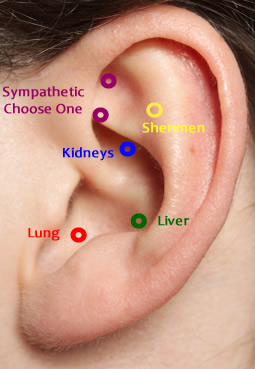 functions. When drinking suddenly stops, the body can react with shaking, sweating, nausea, anxiety, insomnia, elevated heart rate, confusion, hallucinations, or seizures.
Medical detox provides monitoring and, when appropriate, medication to manage withdrawal safely. It is generally the appropriate starting point for someone who has severe withdrawal symptoms, has experienced seizures or delirium during a past withdrawal, drinks heavily every day, has serious medical concerns, or cannot safely remain alcohol-free without round-the-clock supervision.
Detox is a stabilization service, not the full answer to alcohol dependence. It can remove alcohol from the body and help someone through the acute withdrawal period, but it does not automatically change the habits, stress responses, triggers, or emotional patterns that led to drinking. Leaving detox without a follow-up plan often leaves the original problem waiting at home.
The most popular form of natural detoxification is NADA protocol using auricular acupuncture.
When Withdrawal Needs Immediate Medical Attention
Do not try to manage potentially severe alcohol withdrawal alone. Emergency medical evaluation is needed for seizures, hallucinations, severe confusion, fainting, chest pain, trouble breathing, uncontrollable vomiting, very high agitation, or fever. A person who is disoriented or having a seizure needs emergency help, not an outpatient appointment.
Even when symptoms seem less dramatic, a professional assessment matters. Withdrawal can worsen quickly, particularly for people with a long history of heavy alcohol use or prior complicated withdrawals.
What Outpatient Alcohol Care Is Designed to Do
Outpatient alcohol care helps a person address drinking without living at a treatment facility. The client attends scheduled sessions and returns home, to work, or to family responsibilities afterward. This approach can offer privacy, flexibility, and consistent support while it tailors treatment to the specific reasons drinking has become destructive.

It is often a strong fit for someone who is medically stable, does not require 24-hour withdrawal monitoring, and can reliably attend appointments. It can also be appropriate after detox, when the immediate physical crisis has passed but the real work of maintaining change is beginning.
 At the Philadelphia Addiction Center, outpatient planning may include individualized alcohol-focused intervention, hypnosis or hypnotherapy, auricular acupuncture using the NADA protocol, and structured therapeutic support. These services are intended to help clients interrupt compulsive patterns, manage stress and cravings, and develop a more deliberate response when old triggers appear. Treatment should be matched to the individual, not forced into a one-size-fits-all program.
Outpatient care asks more of the client’s daily environment. The person continues to face access to alcohol, familiar routines, relationship pressure, work stress, and social situations where drinking may be expected. That is a challenge, but it can also be a practical advantage. New coping strategies are practiced in real life, where they are needed most.
Outpatient Alcohol Care Versus Detox: The Key Difference
The essential difference is the purpose of care. Detox protects medical safety during withdrawal. Outpatient treatment focuses on the behavioral and emotional work of stopping destructive alcohol use and keeping the change in place.
One is not automatically better than the other. Some people need detox first, then outpatient treatment. Others can safely begin with outpatient care after a clinical screening. The mistake is assuming that a person must reach a dramatic crisis before seeking help or assuming that willpower alone is enough to quit safely.
A person who drinks to quiet anxiety after work may need help identifying the thought pattern and routine that drive the first drink. Someone whose drinking has created legal consequences may need a documented alcohol evaluation and a clear treatment plan. Another person may have completed detox several times but returned to alcohol because the deeper triggers were never addressed. Each situation calls for a different intervention, even when the goal is the same.
How to Decide Which Level of Care Fits
Start with a direct, medically informed screening rather than self-diagnosis. Be prepared to discuss how much and how often alcohol is used, the last time alcohol was consumed, any past attempts to stop, withdrawal symptoms, medications, medical conditions, mental health concerns, and whether there is a safe, supportive home environment.
Detox is more likely to be necessary when withdrawal risk is high or uncertain. This includes a history of severe symptoms, daily heavy drinking, inability to keep fluids down, serious health conditions, or a living situation where the person cannot be safely monitored. In these cases, stabilizing the body comes before outpatient treatment.
Outpatient care may be appropriate when the person is medically stable and able to participate consistently in treatment. Reliable transportation, a sober or supportive household, willingness to follow a treatment plan, and the ability to avoid high-risk situations all improve the chance of success. If those conditions are not present, a higher level of support may be the safer recommendation.
This is not about proving that a drinking problem is “serious enough.” Waiting for a medical emergency, job loss, or family breakup is not a requirement for treatment. Early intervention can prevent a manageable problem from becoming a crisis.
Why Detox Alone Often Does Not Hold
The days after detox can create a false sense of security. The physical fog may lift, sleep may improve, and loved ones may feel relieved. But the situations that encouraged drinking remain: isolation, anger, shame, social pressure, grief, boredom, or the belief that one drink will be different this time.
Lasting change needs a plan for those moments. Outpatient care can provide structure without removing the person from daily life. Sessions can examine the automatic sequence behind drinking: the trigger, the thought, the urge, the action, and the consequence. Once that sequence is clear, it can be interrupted with specific strategies rather than vague promises.
For some people, holistic modalities can be useful additions to this work. Hypnotherapy may help a client focus on entrenched habits and responses. Auricular acupuncture may support relaxation and emotional regulation for certain individuals. These approaches should complement an appropriate clinical plan, not replace medical care when withdrawal risks are present.
Privacy, Work, and Family Responsibilities
Many people delay care because they believe treatment means disappearing from work or explaining everything to family. Outpatient treatment can be a practical option for people who need discretion and want to keep meeting their daily responsibilities. Appointment-based care allows clients to pursue change while remaining connected to their lives.
Still, privacy should never be prioritized over safety. If medical detox is needed, trying to hide withdrawal or push through it at home can put a person at serious risk. A short period of medically supervised stabilization may protect the person’s health and create a stronger foundation for the outpatient work that follows.
Make the Next Step Specific
The most useful next step is not to promise lifelong abstinence in the middle of a difficult night. It is to get an accurate assessment and follow the recommendation that fits the current level of risk. If withdrawal symptoms are severe or escalating, seek emergency medical help. If the person is stable but trapped in repeated drinking patterns, schedule a focused alcohol assessment and begin building a plan that addresses more than the next drink. Change becomes more realistic when it is specific, supported, and started before another consequence forces the issue.
Outpatient Alcohol Care Versus Detox. Philadelphia Addiction Center is the #1 Outpatient Treatment Facility for Alcohol Abuse.
While alcoholism treatment centers are in almost every state of the US, not all of them can prove a high success rate in the treatment of alcohol abuse. Philadelphia Addiction Center, the subdivision of the Philadelphia Holistic Clinic, is known as the home for the “Esperal Implant” on the East coast of the USA. The success rate of the treatment provided at the center is way above average in the industry.
For more information about Esperal treatment for alcohol abuse, contact the Philadelphia Addiction Center at (267) 403-3085