Disulfiram Can be Prescribed for Alcohol Abuse
When is disulfiram prescribed? Usually, it is considered when a person with alcohol use disorder is committed to avoiding alcohol and needs a clear, immediate deterrent against drinking. It is not a casual prescription or a stand-alone answer to repeated alcohol use. The medication creates a strong physical reaction if alcohol is consumed, so it requires honest preparation, medical screening, and a treatment plan that addresses the reasons drinking has continued.

For someone facing family strain, workplace pressure, a legal concern, or another relapse after trying to stop alone, that structure can be meaningful. But disulfiram is not right for everyone. The safest and most effective decision comes from a clinician who understands the person’s health history, drinking pattern, goals, and ability to follow the medication instructions consistently.
What does disulfiram do after alcohol is consumed, and when is it prescribed?
Disulfiram is prescribed to help prevent alcohol use through deterrence. Normally, the body breaks alcohol down in stages. Disulfiram blocks an enzyme involved in that process, causing acetaldehyde to build up if alcohol enters the body.
That buildup can cause an intensely unpleasant reaction. Symptoms may include facial flushing, throbbing headache, nausea, vomiting, sweating, chest discomfort, rapid heartbeat, dizziness, weakness, and trouble breathing. The severity varies, but the reaction can be dangerous. That is precisely why this medication must be taken seriously. 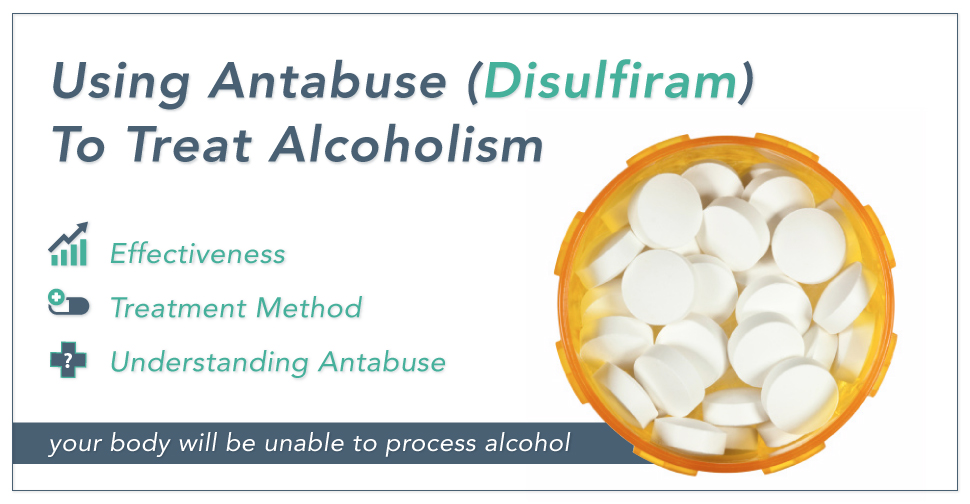
Disulfiram does not remove cravings in the same way some other alcohol-treatment medications may. It also does not treat alcohol withdrawal. Its role is more direct: it creates a consequence that can interrupt the impulsive decision to drink. For people who are motivated by accountability and want a firm barrier between themselves and alcohol, that approach may be useful.
When is disulfiram prescribed in alcohol treatment?
Disulfiram is generally prescribed after a person has stopped drinking and is medically stable. A clinician will usually require a period without alcohol before the first dose, often at least 12 hours, and may need more time depending on the individual’s condition. Starting it while alcohol is still in the body can trigger the very reaction the medication is meant to produce.
It is most often considered for adults who have a clear goal of abstinence rather than moderation. The person needs to understand that avoiding alcohol means more than skipping beer, wine, or liquor. Some cough syrups, mouthwashes, cooking extracts, sauces, aftershaves, colognes, hand sanitizers, and other products can contain alcohol. Even small exposures can be risky for someone who is taking disulfiram.
A prescriber may consider disulfiram when several factors are present:
- The person has alcohol use disorder and has struggled to remain abstinent.
- They are willing to avoid alcohol completely and follow safety directions.
- They understand the alcohol-disulfiram reaction and can recognize an emergency.
- They have reliable support, structured follow-up, or a supervised medication routine.
- Their medical history does not create an unacceptable risk.
The medication can be particularly effective after alcohol has caused serious consequences and the person wants a decisive intervention. It may also be considered when an individual has already tried counseling, self-directed quitting, or other approaches but continues to return to drinking during moments of stress, access, or rationalization.
When disulfiram is prescribed for alcoholism, motivation and supervision make a real difference.
Disulfiram works best when the patient actively chooses it. Being medicated only to satisfy a spouse, employer, court requirement, or family member can create problems if the person secretly stops taking it. The prescription cannot help if it sits unused in a medicine cabinet. 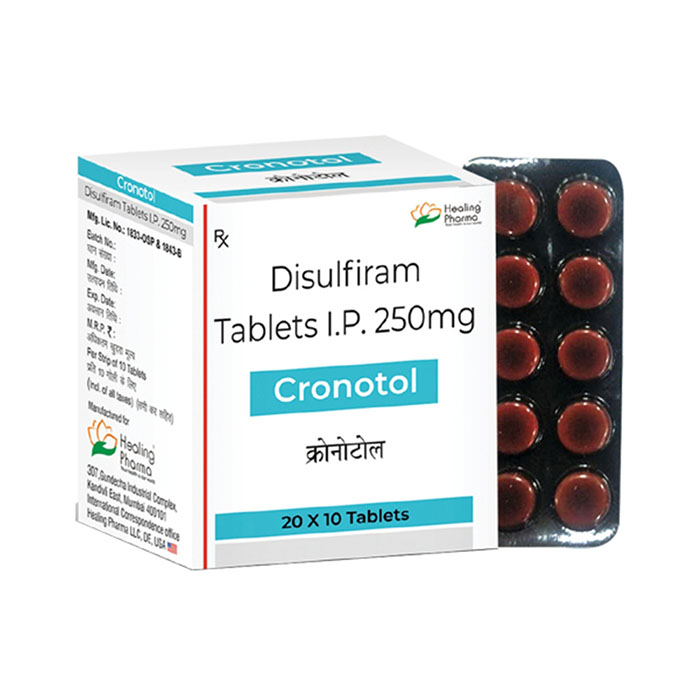
That does not mean outside pressure is irrelevant. A court order, family ultimatum, or concern about losing a job can be the moment that pushes someone to seek treatment. The key is turning that pressure into a personal decision: a decision to protect health, relationships, freedom, and future stability.
Supervised dosing can improve consistency for some people. Depending on the situation, a trusted family member or treatment professional may help maintain accountability. This should be handled respectfully and with the patient’s knowledge, not as punishment. The goal is to reduce the chances that a split-second decision will lead to another drinking episode.
Who is not a candidate for a difulfiram prescription?
A medical evaluation is essential before disulfiram is prescribed. The medication may not be appropriate for someone with certain heart conditions, severe liver problems, a history of psychosis, significant cognitive impairment, or an inability to understand and reliably obey the alcohol-avoidance rules. Pregnancy and other health circumstances also require individualized medical guidance.
The clinician will review current medications, allergies, alcohol use, and overall physical health. Certain medication combinations can be unsafe, including products that contain alcohol and some prescription medications. Liver function testing may be needed before treatment and during use because disulfiram can affect the liver in rare but serious cases.
People should report symptoms such as yellowing of the skin or eyes, dark urine, unusual fatigue, severe abdominal pain, numbness or tingling, vision changes, major mood changes, or confusion. These are not symptoms to ignore or manage alone.
Disulfiram is also not the right first step for someone who is currently experiencing alcohol withdrawal or who cannot yet safely stop drinking without medical support. Alcohol withdrawal can be dangerous. Shaking, hallucinations, seizures, severe agitation, confusion, or an unusually rapid heartbeat require urgent medical attention.
Disulfiram is a tool, not the whole treatment plan.
The central question is not only when disulfiram is prescribed, but also what will support the person once alcohol is no longer available as a coping mechanism. Drinking often has a pattern. It may be tied to anxiety, anger, loneliness, sleep disruption, social routines, work stress, trauma, or the belief that alcohol is the only way to feel relief.
A strong treatment plan identifies those triggers and replaces the old response with practical tools. Individual counseling can help uncover the behavior cycle behind alcohol use. Hypnosis and hypnotherapy may help some individuals address automatic habits, stress responses, and the mental pull toward drinking. Auricular acupuncture using the NADA protocol may also be incorporated as a complementary service for people seeking a calmer, more focused recovery process.
These approaches are not substitutes for medical screening or emergency care. They can, however, give a person more ways to manage urges and discomfort while building a life that does not revolve around alcohol. The right mix depends on the individual, not on a program that works for everyone.
Disulfiram Implant
A person doesn’t need another lecture about willpower if they made a commitment to quit drinking but ended up back at the same store, bar, or bottle a few days later. They require a barrier that alters the subsequent choice. The key to disulfiram implant efficacy is to provide a long-lasting alcohol-deterrent response while a person develops the routines, support, and coping mechanisms necessary for significant transformation.
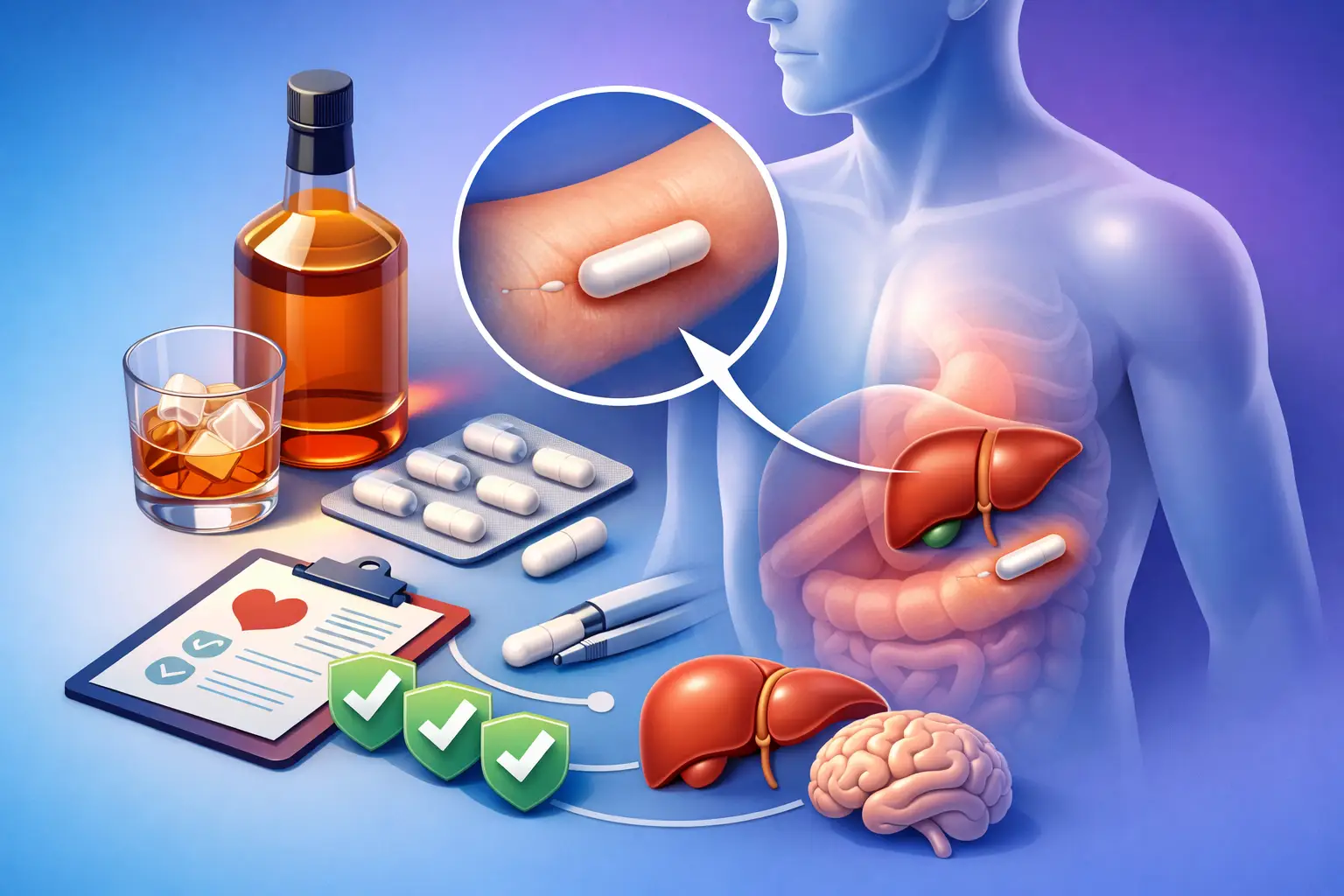
Implant-based disulfiram therapy may be a serious, targeted treatment for alcoholism for the appropriate patient. It is neither a remedy nor intended to take the place of personal dedication, medical supervision, or therapy. Its benefit is that it can make alcohol consumption an instantaneous and physically unpleasant proposition, allowing recovery efforts more time to take root. One aspect of the result is the implant itself. The best results from disulfiram implants come from treating the condition as an organized commitment rather than a stand-alone operation. The outcome is influenced by a person’s motivation, medical suitability, aftercare, and willingness to abstain from alcohol.
Questions to ask before starting disulfiram
Before agreeing to treatment, ask the prescribing clinician what alcohol-containing products to avoid, how long the medication remains active after stopping it, what symptoms need urgent care, and what monitoring will be required. Ask whether your current health conditions or medications change the risk. Be direct about how recently you drank and whether you have had withdrawal symptoms before.
It is also reasonable to ask how disulfiram fits with other treatment options. Some people benefit from a different medication strategy, while others find that disulfiram’s firm boundary is precisely what they need during early recovery. The best choice is based on safety, readiness, past treatment experience, and the type of support available after the prescription is written.
Philadelphia Addiction Center approaches alcohol concerns with focused, individualized intervention. A confidential assessment can help clarify whether you should discuss disulfiram with a medical prescriber and which therapeutic supports may help you stay alcohol-free.
The next useful step is not waiting for another consequence to force the issue. Speak honestly about your drinking, your health, and what has not worked before, then build a plan strong enough to support the change you want to make.
When is disulfiram prescribed? Philadelphia Addiction Center is the #1 outpatient treatment facility for alcohol abuse.
While alcoholism treatment centers are in almost every state of the US, not all of them can prove a high success rate in the treatment of alcohol abuse. Philadelphia Addiction Center, the subdivision of the Philadelphia Holistic Clinic, is known as the home for the “Esperal Implant” on the East Coast of the USA. The success rate of the treatment provided at the center is way above average in the industry.
For more information about Esperal treatment for alcohol abuse, contact the Philadelphia Addiction Center at (267) 403-3085