How to Find Alcohol Therapist
Repeated promises to cut back can turn into another difficult morning, another argument, or another missed obligation. Knowing how to find an alcohol therapist is not about locating the first name in a directory. It is about choosing a professional and treatment setting that can address your specific drinking pattern, your privacy concerns, and the consequences you are facing right now. 
For many people, the search begins after a wake-up call: a DUI, pressure from family, trouble at work, a health concern, or the realization that moderation has not held. The right alcohol therapist helps turn that pressure into a focused plan rather than another short-lived attempt to quit alone.
Start With the Problem You Need Treated
Alcohol use does not look the same from person to person. One individual may drink every evening to manage stress or sleep. Another may have periods of sobriety followed by binge drinking, blackouts, or risky decisions. Someone else may need an alcohol evaluation for court, employment, or a licensing matter while also recognizing that drinking has become difficult to control. 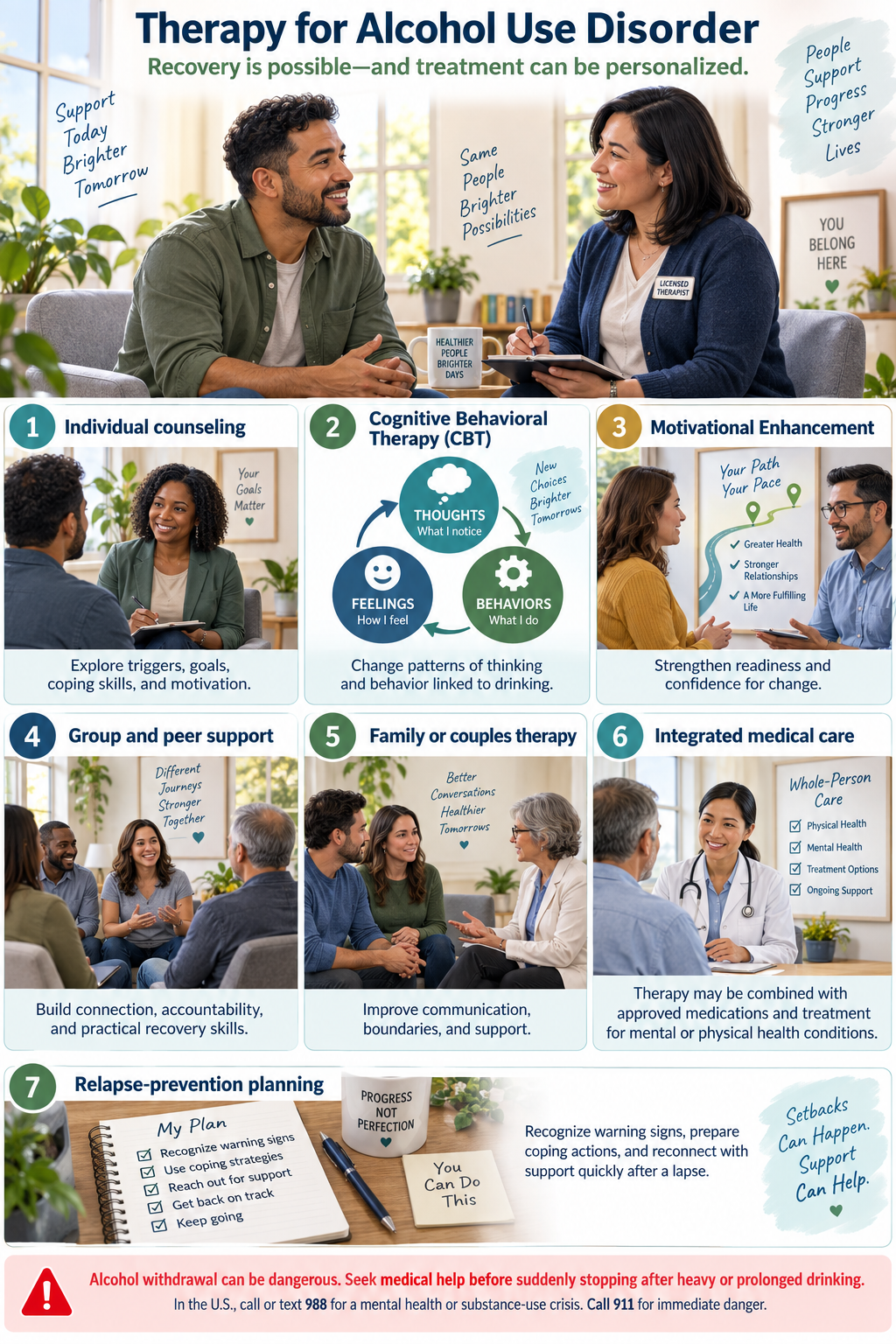
Before contacting a provider, be clear about what you want help with. You do not need to have the perfect words or a formal diagnosis. You do need to be honest about the pattern: how often you drink, what happens when you try to stop, what triggers you, and what alcohol costs you.
A useful therapist should be able to discuss your goals directly. That may mean abstinence, stopping relapse cycles, addressing cravings, completing a required evaluation, or rebuilding control after alcohol has begun affecting your relationships and responsibilities. Be cautious of any provider who offers a generic plan before understanding the problem.
How to Find an Alcohol Therapist With the Right Experience
Search for a therapist or clinic that specifically treats alcohol dependence and alcohol misuse. General counseling can be valuable, but alcohol-focused treatment requires an understanding of cravings, withdrawal risks, relapse patterns, family dynamics, legal concerns, and the emotional habits that keep drinking in place.
Ask prospective providers how often they work with alcohol-related concerns and what an initial assessment includes. The answer should be specific. A serious assessment looks beyond the number of drinks per week. It considers previous attempts to stop, triggers, mental and emotional stress, sleep, social environments, family history, health considerations, and any immediate safety concerns.
Credentials matter, but they are not the only measure of fit. You should understand who will provide your care, what their role is, and whether they have direct experience with alcohol treatment. Just as important, pay attention to whether the conversation feels focused and respectful. If you feel dismissed, rushed into a program that doesn’t fit your needs, or pressured to share more than you are ready to share, keep looking.
Ask About Treatment Methods, Not Just Labels
The phrase “alcohol therapy” can cover many different approaches. Some people want traditional talk therapy. Others are looking for a structured, solution-focused intervention that addresses cravings, stress responses, and compulsive habits from several angles.
Ask what methods are used and why they may be appropriate for your situation. A provider should explain each service’s purpose in plain language, including what it can and cannot do. Hypnotherapy, for example, may be used to work on automatic thought patterns, triggers, motivation, and the emotional pull of alcohol. Auricular acupuncture using the NADA protocol may support relaxation and help some people manage discomfort during early behavior change. These services are not magic fixes, and ethical providers will not present them that way. They can be part of an individualized plan when they match the person’s needs.
If a clinic offers alcohol-deterrent treatments, ask about eligibility, expected effects, risks, follow-up care, and whether medical evaluation is needed. The right treatment is the one that is clinically appropriate and realistic for you, not simply the most aggressive option available. 
Look for a Plan That Is Personal and Practical
A good alcohol therapist does more than ask why you drink. They help you prepare for what happens when you are exhausted, angry, lonely, celebrating, under pressure, or offered a drink by someone who does not understand your situation.
Your treatment plan should have a clear starting point. It should explain what happens in the first appointment, how often you will be seen, what progress will be measured, and what support is available for cravings or setbacks. Treatment intensity depends on your history and current level of risk. Some people benefit from private outpatient appointments that fit around work and family life. Others may need a higher level of medical or behavioral support.
A personalized plan should also respect the fact that recovery is rarely linear. A lapse does not mean treatment failed. It does mean the plan needs an honest review: What happened before the drinking episode? Which trigger was missed? Was the treatment schedule enough? Did stress, access to alcohol, or an untreated emotional issue take over? Effective care responds with adjustment, not shame.
Consider Privacy, Location, and Scheduling
For Philadelphia-area adults, practical barriers can determine whether treatment actually happens. A clinic may sound impressive, but it is not the right choice if appointment times make consistent care impossible or if the setting does not offer the discretion you need.
Ask about appointment availability, confidentiality practices, payment expectations, cancellation policies, and documentation procedures before you commit. If you need court-ordered alcohol evaluation services, clarify exactly what records can be provided, who completes them, how long the process takes, and what participation requirements apply. Legal documentation should be accurate, timely, and separate from empty promises that a provider cannot guarantee.
Privacy is especially important for people concerned about work, family, or public exposure. You are entitled to ask how your information is handled and whether treatment is provided in a setting designed for confidential, individualized care.
Know When Therapy Is Not the First Step
An alcohol therapist can be central to long-term change, but some situations require immediate medical attention first. Do not attempt to suddenly stop drinking without medical guidance if you have been drinking heavily or daily, have had withdrawal symptoms before, or have experienced seizures, confusion, severe shaking, hallucinations, or serious physical illness when trying to quit.
Alcohol withdrawal can be dangerous. If you are experiencing severe symptoms or believe you may be at risk, seek urgent medical care. A responsible treatment provider will screen for withdrawal risk and refer you to an appropriate medical setting when necessary. That is not a rejection. It is the correct first move for your safety.
Questions Worth Asking During Your First Call
The first conversation should provide you useful information, not sales pressure. Ask whether the provider regularly treats alcohol concerns, how they determine the right level of care, and what services may fit your goals. Ask how progress is tracked, what happens if you relapse, and whether the clinic can accommodate court-related needs if that applies to you.
You can also ask how quickly treatment can begin. When alcohol is causing immediate personal, legal, or professional consequences, waiting weeks for a vague intake process can increase the damage. Fast access matters, but speed should not replace a careful assessment.
At Philadelphia Addiction Center, alcohol-focused care is built for people who want a direct, individualized alternative to standard rehab-only pathways. The goal is to identify the dependency pattern, intervene decisively, and use appropriate therapeutic tools to help create lasting behavioral change.
How to Find Alcohol Therapist: Choose the Provider You Can Be Honest With
The strongest predictor of a productive therapeutic relationship is not whether a provider has the flashiest promise. It is whether you can tell the truth in the room. You need to be able to say, “I drank again,” “I am not sure I want to quit completely,” or “I am afraid of what happens if I stop,” without being judged or brushed aside.
Choose a provider who combines compassion with accountability. Alcohol problems tend to grow in secrecy and delay. The right therapist will not minimize the situation, but they will also give you a concrete path forward. Making the first call may feel uncomfortable. It is still a far better use of your energy than waiting for alcohol to create the next crisis.
How to Find Alcohol Therapist: Counseling Services in Philadelphia
 At the Philadelphia Hypnotherapy Clinic, counseling services are provided by Alex Zolotov, Ph.D., who has more than 25 years of academic and clinical experience.
To book your appointment for counseling, contact our clinic at (267) 403-3085 or use our online booking application