NADA Ear Acupuncture
A craving can feel louder than reason. For someone trying to stop drinking, smoking, or gambling, the body may stay tense, sleep may be disrupted, and the urge to return to an old pattern can show up without warning. So, what is NADA ear acupuncture? It is a focused auricular acupuncture protocol designed to help settle the nervous system and support people during addiction treatment and behavioral health care.

NADA ear acupuncture is not a lecture, a medication, or a replacement for a complete treatment plan. It is a quiet, structured intervention that uses small, sterile needles at specific points on the outer ear. Many people value it because treatment happens in a calm setting, requires very little talking, and can offer a practical pause when they feel overwhelmed by cravings, stress, or agitation.
What Is NADA Ear Acupuncture?
NADA stands for the National Acupuncture Detoxification Association. The protocol was 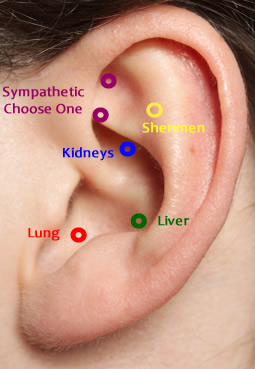 developed for use in behavioral health and recovery settings and is commonly called the five-point ear acupuncture protocol. A trained practitioner places fine, single-use needles in five areas of each ear: Shen Men, Sympathetic, Kidney, Liver, and Lung.
These point names come from traditional acupuncture practice. In a treatment setting, the protocol is used with a straightforward goal: help the client become more settled, present, and able to engage in the work of changing harmful habits. Sessions are generally done while seated, often in a group or quiet individual setting, with the needles left in place for roughly 30 to 45 minutes.
The experience is usually simple. After a brief check-in, the practitioner cleans the ear, inserts the needles, and allows the client time to sit quietly. Some people notice a sense of calm or heaviness. Others notice little during the session but experience it easier to sleep or manage tension later. Responses vary, and a responsible provider will not promise the same result for every person.
Why the Ear Is Used in the NADA Protocol
Auricular acupuncture treats the ear as a map of points connected, in traditional practice, to different functions and body systems. The NADA protocol does not attempt to diagnose a person through the ear. Instead, it uses the same standardized set of points to provide a consistent, low-intensity supportive treatment.
That consistency matters in addiction care. When someone is dealing with alcohol misuse, nicotine dependence, or compulsive gambling, life can feel unpredictable. A repeatable treatment routine can create a reliable space to slow down, notice what is happening internally, and practice responding differently.
The protocol is also intentionally nonverbal. Some clients arrive exhausted from explaining themselves to family, employers, courts, or treatment providers. NADA ear acupuncture gives them a period of care that does not depend on finding the right words. It can be particularly useful alongside counseling, hypnosis, alcohol-focused interventions, or a structured treatment plan.
How NADA Ear Acupuncture May Support Recovery
NADA ear acupuncture is often used as a complementary service, meaning it works alongside other forms of care rather than replacing them. Clients may seek it because they want help managing the conditions that make relapse more likely: stress, restlessness, irritability, poor sleep, racing thoughts, and persistent urges.
For alcohol concerns, a client may use sessions as part of a broader plan to interrupt habitual drinking and strengthen follow-through between appointments. For smoking cessation, the protocol may help the person manage the discomfort and agitation that can arise when nicotine is removed. For gambling problems, it can offer a grounded routine during moments when anxiety, boredom, or emotional pressure trigger the urge to gamble.
The benefit is not that a few needles erase an addiction. The benefit is that a calmer nervous system may make it easier to use the tools that do create change: attending appointments, avoiding triggers, following a plan, tolerating discomfort, and asking for support before a lapse becomes a crisis.
Research on auricular acupuncture includes mixed findings, and outcomes depend on the individual, the condition being treated, and the services used alongside it. That is why the protocol should be presented honestly. It may be a valuable part of treatment, but it is not a guaranteed cure or a substitute for medical evaluation when one is needed.
What a Session Feels Like
Most people describe NADA ear acupuncture as brief and manageable. The needle insertion may create a quick pinch, warmth, pressure, or a mild tingling sensation. Once the needles are in place, the goal is usually stillness. Clients may sit with their eyes closed, listen to calming music, or simply take a break from the demands of the day.
A session does not require someone to be fully confident, perfectly motivated, or ready to tell their entire story. They only need to be willing to sit down and participate. That makes the protocol accessible for people who feel ashamed, guarded, frustrated by previous attempts to quit, or pressured by family or legal circumstances to seek help.
A qualified provider should review relevant health information before treatment. Tell the practitioner if you are pregnant, have a bleeding condition, use blood-thinning medication, have an ear infection or skin irritation, or have a history of fainting with needles. Mild soreness, temporary tenderness, or lightheadedness can occur. Serious complications are uncommon when treatment is performed by properly trained professionals using sterile technique.
Who May Benefit From This Approach?
NADA ear acupuncture can fit people who want a direct, private, and non-medication-centered addition to treatment. It is often appealing to adults who have tried to quit drinking, smoking, or gambling on their own and found that willpower alone did not hold up under stress.
It can also be useful for clients who need a structured treatment record, including those completing an alcohol evaluation or addressing court-related requirements. In these situations, acupuncture should be part of a clearly documented care plan, not a vague wellness activity. The treatment needs to match the person’s goals, clinical needs, and required level of support.
At Philadelphia Addiction Center, NADA ear acupuncture can be integrated with individualized services that address the behavior itself, not only its symptoms. The right plan may include acupuncture, hypnotherapy, targeted alcohol intervention, behavioral support, and practical strategies for high-risk situations. The method should fit the person, rather than forcing them to fit a single method.
NADA Ear Acupuncture vs. Traditional Acupuncture
Traditional acupuncture may involve many points across the body and can be tailored to a broad range of symptoms. NADA ear acupuncture is narrower. It relies on five standard ear points and is typically delivered in a short, repeatable format.
That does not make it lesser. It makes it purposeful. A standardized protocol can be easier to schedule regularly and to incorporate into a focused addiction treatment routine. However, someone with complex medical symptoms, severe anxiety, or significant sleep problems may need additional assessment and services beyond auricular acupuncture.
Frequency also depends on the person. Some clients benefit from a short series of sessions during an especially difficult period, while others use occasional appointments to reinforce stability and accountability. Treatment is most effective when it is tied to a concrete goal, such as getting through the first weeks without cigarettes, managing alcohol-related urges, or avoiding gambling during a known trigger period.
A Practical Step When You Need More Than Willpower
Addictive behavior rarely changes because someone is told to “just stop.” Real change requires an intervention that addresses urges, routines, emotions, and the moments when a person is most likely to give in. NADA ear acupuncture offers a calm, low-barrier way to support that process while you build stronger recovery habits.
If you are tired of repeating the same pattern, choose care that gives you a defined next step. A focused treatment conversation can help determine whether NADA ear acupuncture belongs in a plan built around your specific triggers, goals, and need for lasting change.
Nada Ear Acupuncture for Recovery at the Philadelphia Addiction Center
While alcoholism treatment centers are in almost every state of the US, not all of them can prove a high success rate in the treatment of alcohol abuse. Philadelphia Addiction Center, the subdivision of the Philadelphia Holistic Clinic, is known as the treatment facility that combines different holistic treatments for addiction, including NADA ear acupuncture, hypnotherapy, and Esperal implant. For more information about our treatments, contact the Philadelphia Addiction Center at (267) 403-3085