A person can be drinking every night, losing trust at home, missing work, or facing a legal deadline and still know that residential rehab is not the right next step. The best non rehab alcohol treatments meet that reality with focused, private care that addresses the patterns driving alcohol use – without asking someone to put their entire life on hold.
For many adults, the real question is not whether alcohol has become a problem. It is whether there is a direct way to stop before the consequences become permanent. Effective non-rehab care can offer a serious intervention, but it must be matched to the person’s health, drinking pattern, safety needs, and willingness to follow through.
Why Residential Rehab Is Not the Only Answer
Residential treatment can be necessary for some people, particularly when alcohol withdrawal may be medically dangerous or when a person cannot remain safe outside a structured setting. It is not, however, the only meaningful form of treatment. A one-size-fits-all recommendation can keep people from seeking help at all.
Non-rehab treatment is often appropriate for people who are stable enough to live at home, continue working, care for family, or meet court obligations while receiving professional support. It can also appeal to people who want discreet, individualized care rather than a group-based residential program.
The distinction is not about choosing an easier route. It is about choosing a treatment plan that is realistic enough to complete. A targeted plan can help interrupt habitual drinking, reduce the pull of triggers, create accountability, and give a person a clear path forward.
Best Non Rehab Alcohol Treatments: What to Look For
The best non rehab alcohol treatments are not defined by a single technique. They combine a clear assessment with methods that fit the person’s specific situation. Someone who drinks to manage stress may need a different intervention than someone whose drinking is tied to social pressure, a relationship crisis, or repeated legal consequences.
Look for care that treats alcohol misuse as an urgent behavioral health issue, not a character flaw. The provider should ask practical questions about frequency of drinking, prior attempts to stop, withdrawal symptoms, medical history, home support, and the immediate risks alcohol is creating. From there, treatment should be specific, measurable, and adjusted when progress stalls.
Focused Outpatient Alcohol Intervention
A focused outpatient program gives people structured appointments and direct treatment without an overnight stay. This can include alcohol-use assessment, goal setting, relapse-prevention work, behavioral interventions, and documentation when a court, employer, or family member requests treatment.
The strength of outpatient care is that it works in the environment where drinking actually happens. Instead of discussing triggers in isolation, the individual can identify the Friday-night routine, the stressful commute, the bar near work, or the conflict at home that consistently leads to alcohol use. Treatment then becomes practical: change the routine, prepare a response, set boundaries, and create accountability before the next high-risk moment arrives.
This option works best when the person attends consistently and is honest about setbacks. Privacy is valuable, but secrecy is not the same thing as privacy. A serious outpatient plan should bring difficult patterns into the open and address them directly.
Hypnosis for Alcohol Cravings and Habits
Hypnosis can be a useful nontraditional option for people who understand that drinking has  become automatic. Many people reach for alcohol before they have fully recognized the thought, feeling, or cue that came first. Clinical hypnosis is designed to help identify those conditioned responses and reinforce a different response.
During alcohol-focused hypnotherapy, treatment may concentrate on cravings, stress reactions, self-sabotaging beliefs, emotional triggers, and the mental rehearsal of healthier choices. It is not a magic switch, and it does not replace medical care when withdrawal risk is present. Its value lies in making the decision to avoid alcohol feel more accessible at the moment it matters.
For someone who has tried to quit through willpower alone and keeps returning to the same pattern, hypnosis can add a more targeted layer of intervention. It is especially useful when treatment is personalized rather than delivered as a generic script.
Auricular Acupuncture and the NADA Protocol
Auricular acupuncture, including the NADA protocol, uses specific points on the ear as a 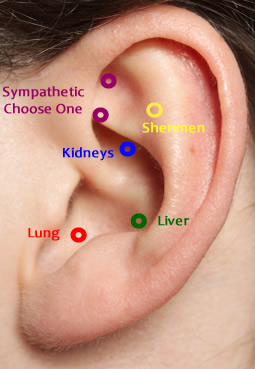 complementary treatment approach. Some people find it helps them feel calmer, less agitated, and better able to tolerate the discomfort that can accompany early behavior change.
It should not be presented as a stand-alone cure for alcohol dependence. It can, however, support a broader plan by giving a person a non-alcohol-based way to manage tension, restlessness, and emotional pressure. For individuals who prefer holistic services or have not connected with conventional talk-based approaches, this can be a practical part of ongoing care.
The right expectation is support, not instant transformation. When acupuncture works alongside a firm treatment plan, it can help the individual stay engaged long enough to build new habits.
Alcohol Deterrent Treatment
Some people need more than just insight into why they drink. They need a concrete barrier between an impulse and a drink. Alcohol deterrent approaches may be considered for individuals who repeatedly decide to stop but resume drinking in moments of craving, stress, or opportunity. 
Implant-based deterrent treatment is one specialized option that may be discussed when clinically appropriate. This type of intervention requires careful screening, a clear explanation of possible risks and limitations, and ongoing professional oversight. It is not suitable for everyone, and it should never be treated as permission to ignore the underlying causes of alcohol use.
Used responsibly, a deterrent approach can create valuable time. That time can be used to strengthen coping skills, repair routines, engage in hypnotherapy or counseling, and make decisions that are harder to make while alcohol remains in control.
Court-Ordered Evaluations and Treatment Documentation
Legal pressure can be the event that finally forces someone to deal with alcohol use. A court-ordered alcohol evaluation should be more than paperwork. It should provide a clear professional assessment and, when needed, a treatment recommendation that addresses the actual behavior behind the charge or violation.

For people needing documentation, accuracy and follow-through matter. Missing appointments or treating the evaluation as a box to check can create more problems. A structured process gives the individual a way to satisfy requirements while also addressing the alcohol pattern that brought them there.
Building a Plan That Can Hold Up Under Pressure
A strong non-rehab treatment plan should answer a few uncomfortable questions. What happens when the craving hits? Who knows the person is trying to stop? What will replace the drinking routine? How will progress be measured after the first week of motivation has passed?
At Philadelphia Addiction Center, treatment can be shaped around the individual’s drinking pattern, goals, and practical obligations. That may mean combining alcohol-focused hypnosis with auricular acupuncture, using a deterrent strategy when appropriate, or establishing a structured outpatient path with regular accountability.
The goal is not to make treatment sound pleasant. The goal is to make it effective enough to interrupt destructive behavior. Real change often requires confrontation of avoidance, denial, and the situations that repeatedly lead back to alcohol.
When Best Non Rehab Alcohol Treatments Are Not Enough
Do not attempt to stop drinking abruptly without medical guidance if you have been drinking heavily or regularly and have experienced shaking, sweating, vomiting, severe anxiety, confusion, hallucinations, seizures, or other withdrawal symptoms. Alcohol withdrawal can become a medical emergency.
Non-rehab care may also be insufficient when a person cannot remain safe, has severe medical or psychiatric symptoms, lacks a stable living environment, or continues drinking despite escalating danger. In those cases, a higher level of medical or residential support may be the responsible recommendation.
Choosing help is not a commitment to one treatment model forever. It is a decision to take the next right step before alcohol takes another one for you.
Best Non Rehab Alcohol Treatments: Philadelphia Addiction Center is the #1 Outpatient Treatment Facility for Alcohol Abuse.
While alcoholism treatment centers are in almost every state of the US, not all of them can prove a high success rate in the treatment of alcohol abuse. Philadelphia Addiction Center, the subdivision of the Philadelphia Holistic Clinic, is known as the home for the “Esperal Implant” on the East Coast of the USA. The success rate of the treatment provided at the center is way above average in the industry. Thus, the Philadelphia Addiction Center is definitely the best facility for non rehab alcohol treatments.
For more information about Esperal treatment for alcohol abuse, contact the Philadelphia Addiction Center at (267) 403-3085