Alcohol Treatment Options
A person can promise themselves they will stop drinking after a blackout, an argument, a DUI, or another missed day at work, then discover themselves repeating the same pattern days later. Alcohol treatment options are most effective when they address more than the drink itself: the cravings, routines, stress responses, triggers, and consequences that keep the pattern in place. 
For many adults, a standard rehab model does not feel realistic, private, or specific enough. They may need focused help while continuing to work, care for family, meet legal requirements, or regain trust at home. The right treatment plan should meet the seriousness of the problem without treating every person as though they need the same path.
Alcohol Treatment Options Should Match the Pattern
There is no single alcohol problem. One person drinks heavily every evening to shut off anxiety. Another loses control during weekends, business events, or stressful family interactions. Someone else may have stopped several times but returns to alcohol whenever a familiar trigger appears. The amount consumed matters, but so do the situations, thoughts, and emotional cues surrounding it.
A personalized assessment identifies what is driving the behavior and what has already been tried. It should take into account the person’s history of drinking, how often they relapse, their physical health, their emotional stress, their home life, their work demands, and any pressure from the court or family. This is where treatment becomes practical rather than generic.
If someone has been drinking heavily or daily, stopping suddenly can cause dangerous withdrawal symptoms. Shaking, sweating, confusion, hallucinations, seizures, severe agitation, or an unusually rapid heartbeat require urgent medical attention. A treatment provider can help determine whether medical detoxification or physician-supervised withdrawal care should come before outpatient-focused services.
Focused Care for Cravings and Triggers
Cravings are not a character flaw. They are learned responses that can feel automatic, especially when alcohol has become tied to relief, reward, sleep, socializing, or emotional escape. Effective treatment works to interrupt that response before it turns into another drinking episode.
Hypnotherapy and clinical hypnosis are highly effective Alcohol Treatment Options
Hypnotherapy can be a useful option for people who understand what they need to do but feel unable to follow through when cravings or pressure hit. In a focused therapeutic setting, hypnosis may help reinforce motivation, reduce the pull of familiar triggers, and support new responses to stress and temptation. 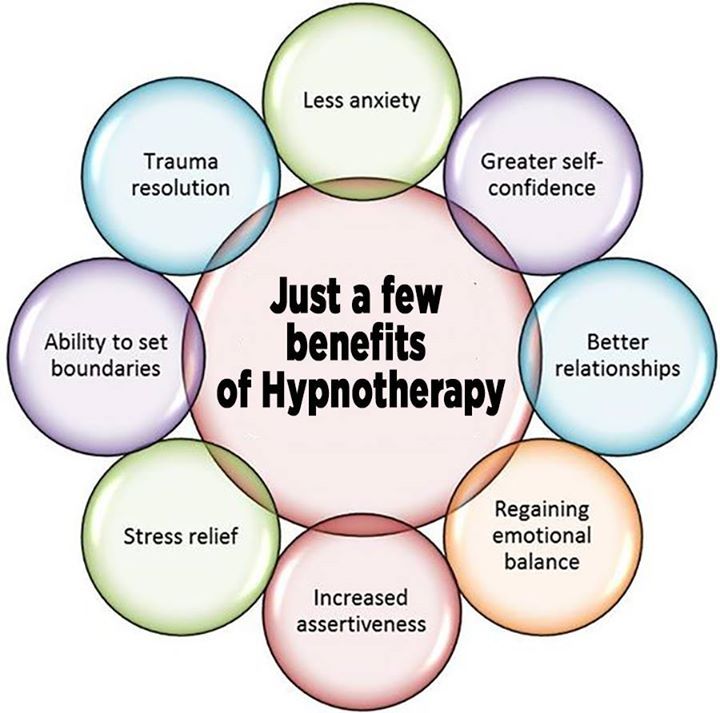
This approach is not about losing control or being made to do something against your will. It is a structured therapeutic process that uses focused attention and suggestion. For some people, it is particularly valuable because it targets the automatic habits and emotional associations that remain even after they have decided to stop drinking.
Results depend on the individual, the severity of the alcohol use, and their willingness to participate honestly in treatment. Hypnotherapy is not a substitute for emergency medical care, withdrawal management, or psychiatric treatment when those services are needed. It can, however, be a meaningful part of a broader recovery plan for people who have not responded to talk-only approaches.
Auricular Acupuncture Using the NADA Protocol
Auricular acupuncture, including the NADA protocol, is a complementary approach 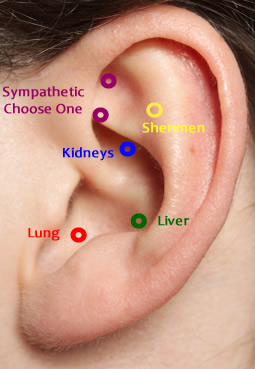 that uses small needles at specific points on the ear. Many people seek it because they want a calm, nonverbal way to support treatment, particularly when they feel tense, restless, overwhelmed, or vulnerable to cravings.
The goal is not to claim a quick cure. Rather, acupuncture can support relaxation and help some clients tolerate the discomfort that often comes with changing a long-standing alcohol pattern. It may fit perfectly alongside hypnotherapy, counseling, lifestyle changes, and other individualized interventions.
Implant-Based Deterrent Treatment
For some individuals, an implant-based alcohol deterrent approach may be considered as part of a carefully evaluated treatment plan. Deterrent-based treatment is designed to create a strong practical barrier against drinking, which can be especially useful for someone facing repeated relapse, serious family consequences, or legal pressure.
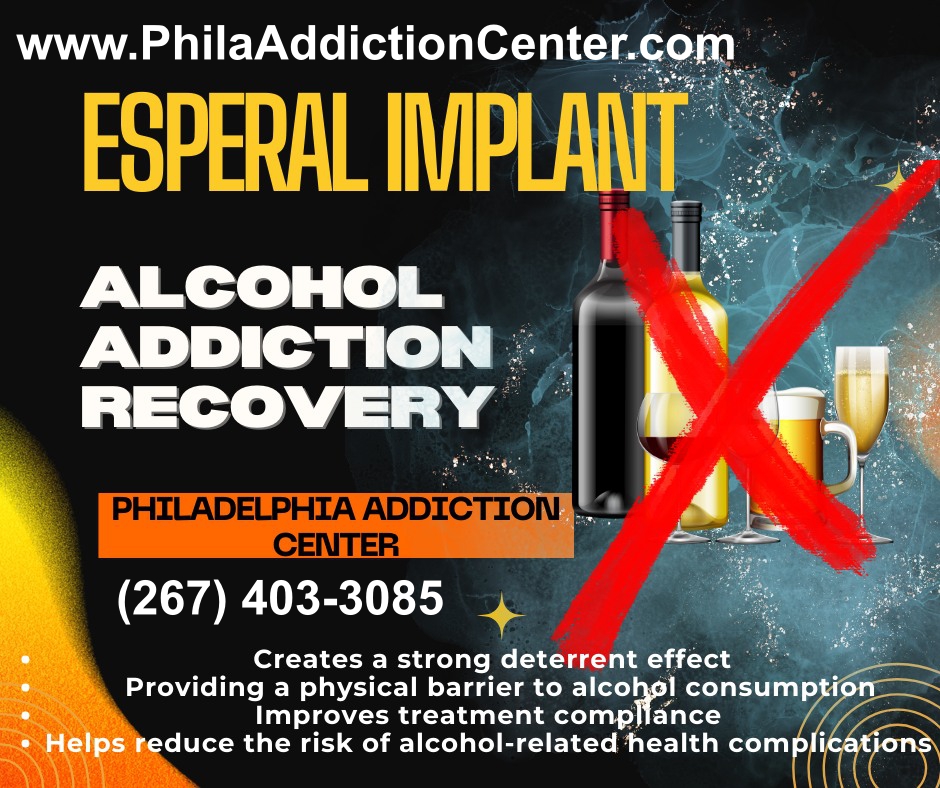
This option requires a full discussion of medical history, risks, expectations, and follow-up care. It works best when it is not treated as a stand-alone answer. A deterrent may create space between impulse and action, but the person still needs a plan for stress, social situations, boredom, conflict, and the beliefs that once made alcohol feel necessary.
Outpatient Treatment Can Be Private and Direct
Not everyone can step away from daily responsibilities for an extended residential program. Outpatient alcohol treatment allows many people to receive structured, confidential care while remaining connected to work and family life. It can also be appropriate for people who want immediate intervention before the consequences become more severe.
The trade-off is accountability. When a person continues to live in the same environment where drinking developed, triggers remain close at hand. That is why an outpatient plan should be specific: identify high-risk times, remove alcohol from the home when possible, set boundaries around social events, and establish what happens when cravings intensify.
A focused provider should not simply tell someone to “try harder.” Treatment needs to create clear, repeatable actions. That may mean scheduled sessions, trigger-focused hypnosis, complementary acupuncture, family conversations, monitoring, or coordination with appropriate medical and behavioral health professionals. The plan should evolve when something is not working.
When Legal or Family Pressure Is Involved
Alcohol misuse often becomes impossible to ignore after a court case, workplace incident, custody conflict, or ultimatum from family. External pressure can bring someone into treatment, but lasting change usually requires the person to identify what they stand to regain: stability, health, credibility, freedom, financial control, or peace at home.
Court-ordered alcohol evaluations require accuracy, professionalism, and timely documentation. An evaluation is not the same as treatment. It examines the circumstances, history, and level of concern, then helps determine what services may be appropriate. People should be prepared to provide honest information and follow the requirements of the court, attorney, employer, or referring agency.
For someone who needs both documentation and direct help, it is useful to work with a clinic that understands the difference between completing a requirement and addressing the behavior that created it. Philadelphia Addiction Center provides alcohol-focused evaluations and individualized intervention services for people who need a clear next step.
Choosing Among Alcohol Treatment Options
The best choice depends on safety first, then on the nature of the drinking pattern. Someone with signs of physical dependence may need medical withdrawal support before any complementary service. Someone who is medically stable but repeatedly drinks in response to stress may benefit from a trigger-focused outpatient approach. A person facing a legal deadline may need an evaluation along with a plan that demonstrates active engagement in care.
Ask direct questions before beginning treatment. How will the provider assess withdrawal risk? What happens if cravings return? Is the plan tailored to your actual drinking triggers? How will progress be measured? Can treatment accommodate work, privacy concerns, or court documentation? Clear answers are a sign that the care is organized around outcomes, not vague reassurance.
There is also value in choosing treatment that you can realistically attend and continue. The most impressive-sounding option will only help if it fits your responsibilities, finances, health needs, and willingness to engage. Consistent participation in a well-matched plan is more useful than starting an approach that feels impossible to sustain.
Alcohol problems tend to narrow a person’s choices until drinking feels like the only available relief. Treatment is the process of making those choices wider again. Whether you are acting after a frightening consequence or before one occurs, a private assessment can turn uncertainty into a specific plan for stopping the pattern and protecting what matters next.
Alcohol Treatment Options: Philadelphia Addiction Center is the #1 Outpatient Treatment Facility for Alcohol Abuse.
While alcoholism treatment centers are in almost every state of the US, not all of them can prove a high success rate in the treatment of alcohol abuse. Philadelphia Addiction Center, the subdivision of the Philadelphia Holistic Clinic, is known as the home for the “Esperal Implant” on the East Coast of the USA. The success rate of the treatment provided at the center is way above average in the industry.
For more information about Esperal treatment for alcohol abuse, contact the Philadelphia Addiction Center at (267) 403-3085