Alcohol Evaluation
A court date, probation requirement, custody concern, or employer referral can make an alcohol evaluation feel like a test with one acceptable answer. It is not. The most reliable answer to how to pass an alcohol evaluation honestly is to be prepared, truthful, and ready to show that you understand your alcohol use issue and are taking responsible action. Trying to look perfect can create more problems than honestly describing your current situation and next steps. The evaluator will trust you if you acknowledge alcohol use issues. If you deny any issues, it will force the evaluator to ask more questions and doubt your honesty. I remember one patient whom the police stopped when he had really drunk. The officer was about to let him blow into the tube but first asked him: “Did you drink? He answered, “Yes, officer, I did.” Then the officer asked “how many drinks did you have?” and he replied, “6 shots of vodka.” The cop was not ready for such honest communication and said, “Drop your car here, lock it, call a taxi, and go home. Come back tomorrow to get your car back when you are completely sober.”
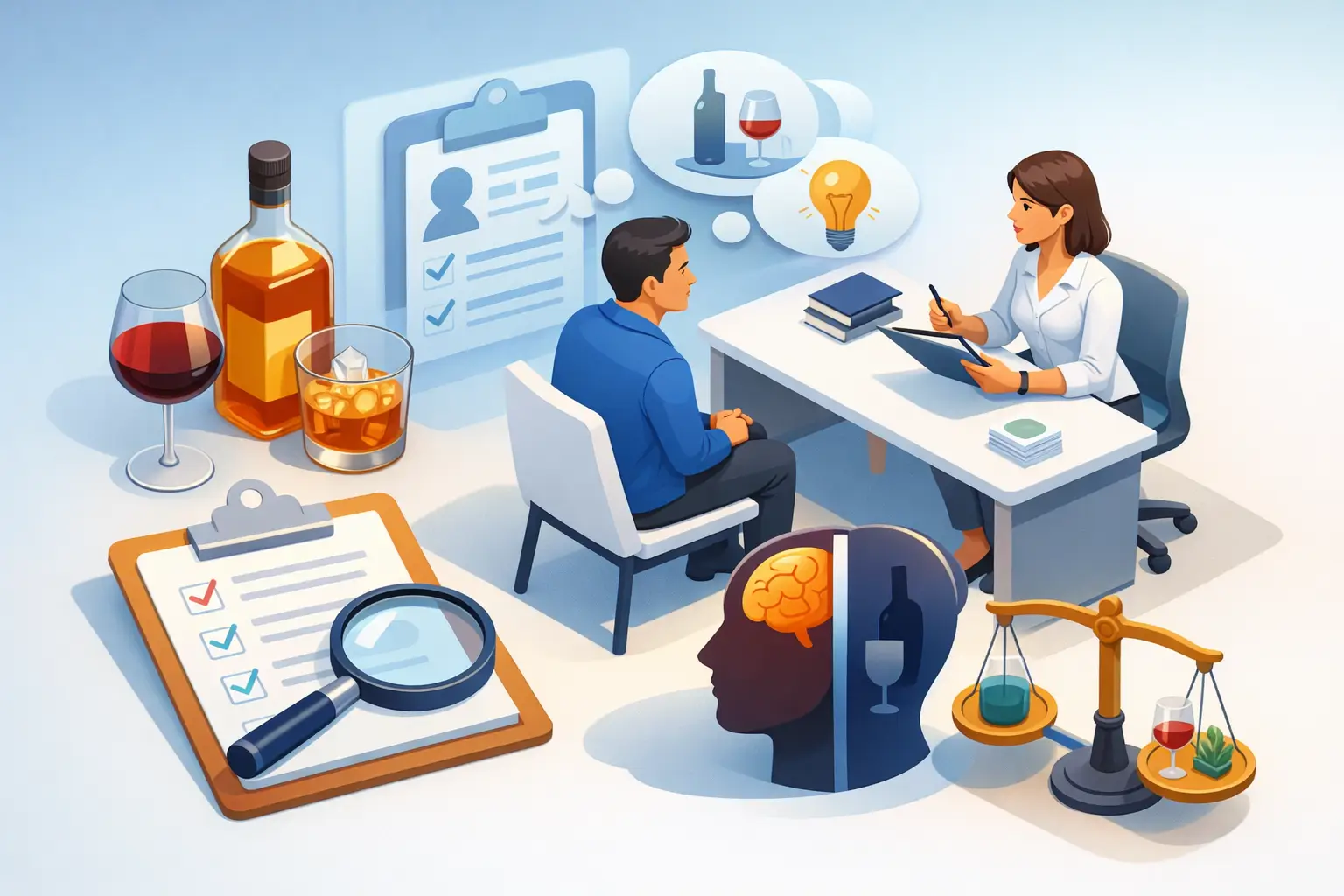
An alcohol evaluation is designed to help a qualified provider understand whether alcohol has created safety, legal, health, work, or family concerns. The evaluator is not looking for a polished speech. They are looking for accurate information, consistency, and evidence that you can follow through with recommendations when support is needed. In this article you will learn how to pass an alcohol evaluation honestly and get the best outcome.
What an Alcohol Evaluation Is Actually Assessing
A formal alcohol evaluation usually includes an interview, standardized screening questions, a review of relevant records, and sometimes testing required by the referring agency. The exact  process depends on whether the evaluation is court ordered, related to a DUI, requested by an employer, or connected to a family or licensing matter. The evaluator may ask about when you drink, how much you drink, whether you have tried to cut back, and what happens when alcohol is involved. They may also ask about prior arrests, treatment history, missed obligations, relationship conflict, blackouts, withdrawal symptoms, or situations where drinking affected your judgment. These are not random questions. Together, they help determine the level of risk and whether education, counseling, monitoring, or structured treatment is appropriate.
A favorable evaluation does not always mean receiving no recommendation. Often, the strongest outcome is a clear, credible recommendation that fits your actual situation and gives the court or referring party confidence that the issue is being addressed. That’s why you have to learn how to pass an alcohol evaluation honestly.
How to Pass an Alcohol Evaluation Without Trying to Beat It
The goal is not to convince an evaluator that alcohol has never caused a problem if records or your history say otherwise. The goal is to demonstrate insight, accountability, and a practical commitment to change. Evaluators are trained to notice contradictions, minimization, and rehearsed answers. A defensive approach can make a manageable concern appear more serious.
Be truthful and consistent during alcohol evaluation.
Give direct answers. If you do not remember an exact date or amount, say so rather than guessing. If your drinking changed over time, explain what changed. If you made a mistake, acknowledge it without turning the entire conversation into excuses about stress, friends, work, or bad luck.

Truthfulness does not require oversharing unrelated personal details. It means answering the questions asked accurately and keeping your account consistent with available records. If you were arrested after drinking, denying any alcohol use or impact will usually damage your credibility. A more responsible answer recognizes the event, states what you have learned, and describes the steps you are taking to prevent a repeat.
Understand your pattern before the appointment.
Spend time before the evaluation reviewing your alcohol history. Spend time before the evaluation reviewing your alcohol history. Consider your typical use during the last year, your heaviest periods of use, and any efforts to reduce or stop. Consider the real effects alcohol has had on your sleep, mood, finances, work performance, driving, health, and relationships.
You do not need to diagnose yourself. You do need to be able to describe your pattern in plain language. Saying, “I only drink socially,” is not enough if social drinking has repeatedly led to arguments, risky driving, missed work, or legal consequences. Specific facts give the provider a clearer picture than labels do.
Please bring the documents requested for evaluation.
Arriving organized signals that you take the process seriously. Bring your photo identification, referral paperwork, court order if applicable, case number, attorney information if requested, and any forms provided by probation or an employer. If you have completion certificates from alcohol education, counseling attendance records, or documentation of prior assessments, bring those too.
Do not alter documents or present records that are incomplete in a misleading way. If you are unsure whether something is relevant, bring it and ask the evaluator. It is better to let the professional determine what belongs in the file.
Follow current requirements before you are evaluated
If probation, the court, or another authority has already instructed you to avoid alcohol, test regularly, attend classes, or complete counseling, follow those directions closely. Missed tests, new violations, and incomplete paperwork can affect how your level of risk is viewed.
Do not attempt to manipulate a test or use questionable products to influence results. Those methods can fail, create additional consequences, and undermine the trust needed for a credible evaluation. If you have concerns about a prescribed medication, a medical condition, or test timing, raise them openly with the appropriate professional.
Questions You May Be Asked During an Alcohol Evaluation
Most evaluations cover similar ground, although wording varies. You may be asked when you first used alcohol, how often you currently drink, the largest amount consumed on one occasion, and whether others have expressed concern. You may also be asked whether you have experienced memory loss, tolerance, cravings, unsuccessful attempts to stop, or discomfort when you do not drink.
Legal questions often focus on the incident that prompted the evaluation. Be prepared to explain what happened without minimizing your role. You can calmly state the facts: where you were, what you drank, what decision led to the incident, and what you have done since. You do not need to argue the case during a clinical interview.
The evaluator may also ask about mental health, family history, trauma, stress, and other areas that can influence alcohol use. Answer honestly, but remember that the purpose is to identify useful support, not to label you. A thorough evaluation should result in recommendations that are individualized rather than generic.
Common Mistakes That Can Hurt Your Alcohol Evaluation
The first mistake is treating the appointment like an interrogation. Anger, sarcasm, and refusal to answer may be understandable reactions to legal pressure, but they rarely help. You can be respectful without pretending that the situation is easy.
The second is minimizing obvious evidence. If a police report, prior evaluation, or testing record conflicts with your statement, the evaluator will need to address the discrepancy. Explain the difference honestly instead of doubling down.
The third assumption is that only severe daily drinking deserves attention. Alcohol-related harm can occur even when someone does not drink every day. A pattern of occasional heavy use, impaired driving, repeated arguments, or inability to stop once drinking begins may still require focused intervention.
Finally, do not wait until the night before the appointment to decide what you will do differently. Real change is easier to describe when it has already started. That may mean attending an educational program, setting firm boundaries around alcohol, seeking counseling, or beginning a structured treatment plan.
When Treatment Strengthens Your Alcohol Evaluation
If alcohol has become difficult to control, treatment is not a punishment or a sign that you have failed. It is evidence that you are responding to a problem before it creates further damage. The right level of care depends on your history, current use, legal requirements, and personal goals. So, if you think about how to pass an alcohol evaluation honestly, ask an evaluator if any treatment options are required. Thus, you will show your intention to be clean and sober.
Some people benefit from alcohol education and accountability. Others need a more focused approach that addresses cravings, triggers, stress responses, and repeated relapse patterns. Philadelphia Addiction Center offers individualized alcohol-focused services that may include hypnotherapy, auricular acupuncture using the NADA protocol, and other targeted interventions for people who want alternatives to a standard rehab-only path.
When treatment is recommended, complete it fully and keep your attendance records. More importantly, engage with it. Courts and evaluators can recognize the difference between simply collecting a certificate and doing the work required to change a destructive pattern.
How to Prepare the Day Before and Day of
The day before, confirm the appointment time, location, payment requirements, and documents you need. Get adequate sleep, eat normally, and arrange transportation so you are not rushed. Do not consume alcohol before the evaluation. Even if no test is scheduled, arriving impaired will immediately raise concerns and may prevent the appointment from being completed.
On the day of the appointment, arrive early, dress neatly, silence your phone, and approach the conversation with a calm, cooperative attitude. If you are anxious, say so. Nervousness is common, especially when an evaluation affects court matters or family decisions. The evaluator can work with honest anxiety far more easily than evasiveness.
A strong alcohol evaluation outcome comes from taking the process seriously, not from finding the perfect answer. Be accurate about your history, accountable for the consequences, and willing to accept appropriate help. That approach protects your credibility now and gives you a better chance to build a life in which alcohol no longer controls the next decision.
Choose Philadelphia Addiction Center for Your Evaluation, Treatment, and Peace of Mind
The Philadelphia Addiction Center offers drug and alcohol evaluations tailored to your needs. You can schedule an assessment  with licensed clinician Alex Zolotov, PhD, who completes clinical recommendations, treatment referrals, and formal reports for courts or employers. The center accepts various payment methods and often works with insurance or sliding-scale options to make evaluations accessible. If you need rapid scheduling, ask the center about same-day or next-day appointments and what documentation you should bring. When choosing a local evaluator, confirm licensure, report format, cost, payment options, and turnaround time for written documentation. That ensures the evaluation meets your legal or treatment objectives and helps you move quickly to the next step in care or compliance. Remember, we are not working for a court, we are working for our patients. Our report is always honest, and we don’t have any intention to make your court case more complicated. We are here to help you. For more information on our Professional Alcohol and Drug Evaluation Services, contact us today at (267) 403-3085 to take the first step toward regaining control and moving forward.