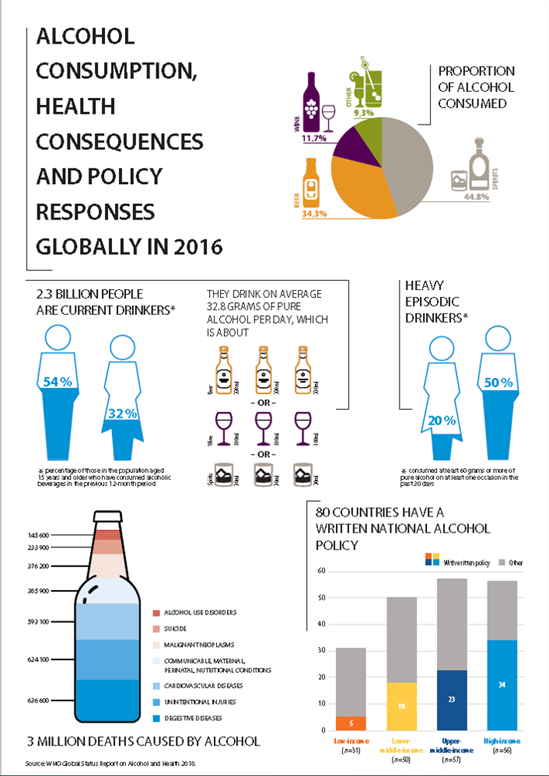
Alcohol Abuse
When drinking keeps costing you sleep, focus, money, relationships, or legal peace of mind, the question stops being academic. What is alcohol abuse treatment? It is a structured, active process designed to help a person stop harmful drinking, reduce relapse risk, and regain control with targeted support that fits the severity of the problem.
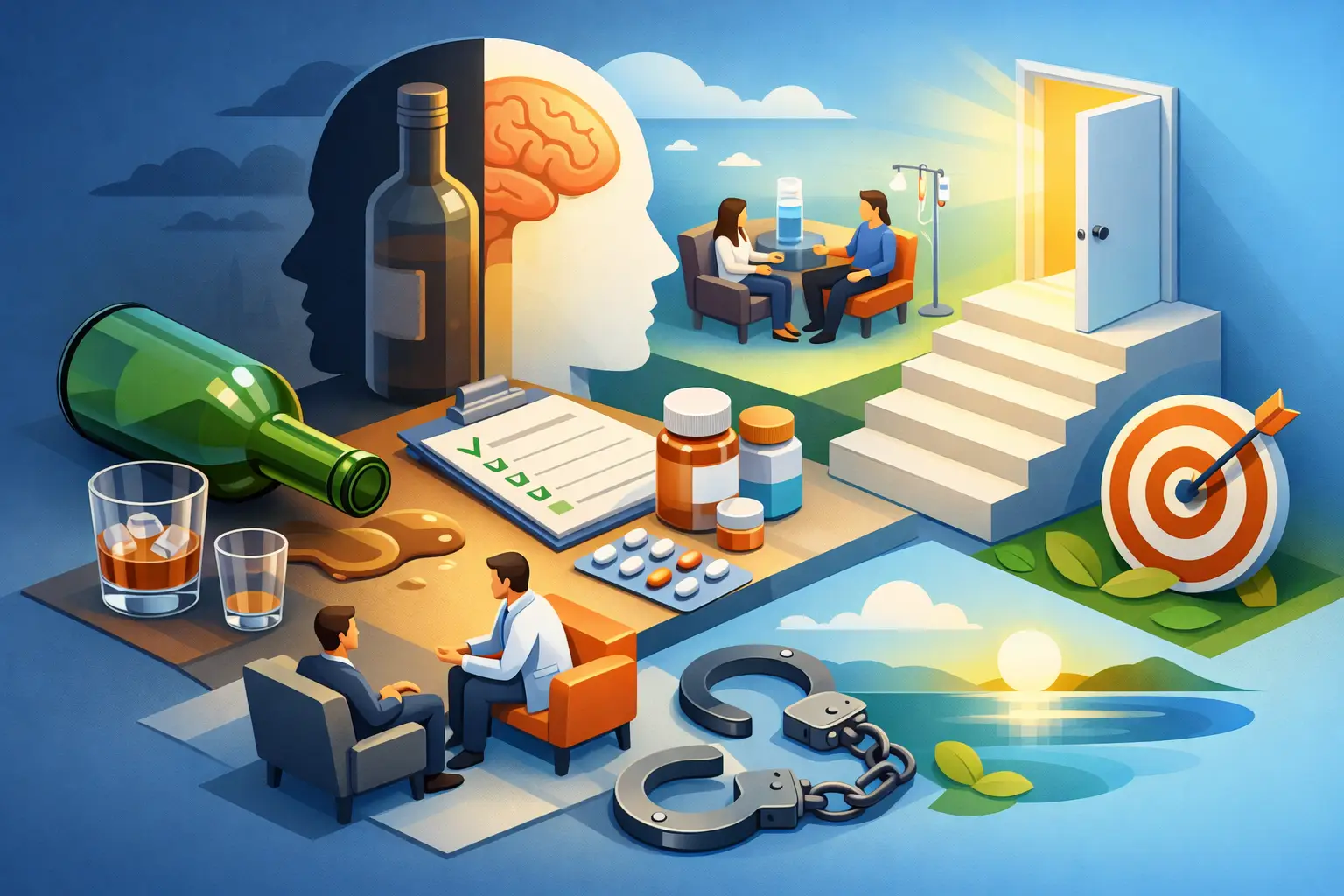
For some people, treatment starts after years of trying to quit alone. For others, it begins after a DUI, family pressure, work consequences, or a moment of clarity that says their behavior cannot continue. Either way, effective treatment is not just advice to drink less. It is intervention with a plan.
What Is Alcohol Abuse Treatment in Real Terms?
Alcohol abuse treatment is professional care aimed at changing destructive drinking patterns and the behavior, triggers, and emotional cycles that keep them going. That care can be brief and focused for some people, or more intensive for others. The right approach depends on how often a person drinks, how much they drink, how difficult it has become to stop, and what consequences are already showing up.

In real terms, treatment may include an evaluation, a personalized treatment plan, regular sessions, behavioral support, relapse prevention work, and accountability. It can also include complementary methods that help reduce cravings, calm the nervous system, and support follow-through. The goal is not to hand out a generic solution. The goal is to interrupt a pattern that is already causing damage.
That matters because alcohol misuse is rarely just about willpower. Many people know their drinking is hurting them and still cannot reliably stop. They may stay dry for a few days, then return to the same cycle after stress, anger, loneliness, boredom, or social pressure. Good treatment addresses that cycle directly.
What Alcohol Abuse Treatment Usually Includes
The first step is often assessment. This is where a provider looks at drinking habits, relapse history, withdrawal risk, mental and emotional stress, family impact, legal issues, and prior attempts to quit. Without that step, treatment can easily miss the real problem.
Once the picture is clear, the next step is to create a tailored plan. Some people need frequent clinical support and close monitoring. Others need a focused outpatient model that allows them to keep working and manage family responsibilities. Some are specifically looking for private, nontraditional treatment because mainstream rehab or medication-heavy approaches have not worked for them.
Treatment often includes counseling or therapeutic sessions that identify triggers, challenge self-defeating patterns, and build better responses to stress and craving. It may also involve motivational work for people who feel torn between quitting and continuing. That ambivalence is common. Many people want the consequences to stop before they fully want to stop drinking.
A strong program also includes relapse prevention. That means preparing for the moments when temptation hits hardest, not pretending those moments won’t happen. Treatment helps people recognize high-risk situations, change routines, create barriers to drinking, and respond quickly if they slip.
Why Treatment Is More Than Just Quitting
Many people think treatment means detox or rehab and nothing in between. That is one reason they delay getting help. In reality, alcohol abuse treatment can take different forms, and not every person needs the same level of care.
Quitting drinking for a few days is not the same as treating alcohol abuse. The deeper issue is the pattern behind the drinking. If stress, habit, emotional avoidance, social rituals, or compulsive behavior remains untouched, the drinking often returns. Treatment works on those drivers.
This phenomenon is also why highly personalized care matters. Two people can both drink too much and need very different interventions. One may need help handling powerful cravings after work. Another may be drinking in secret and facing serious family consequences. Another may need documentation, evaluation, and a clear treatment track because of a court requirement. Treatment has to match the reality of the case.
Traditional and Alternative Approaches
Conventional alcohol treatment often centers on talk therapy, group support, and medical oversight when needed. Those tools can be useful, especially when a person needs clear structure. But there are other options, and they are sometimes insufficient for people who have already tried standard methods without lasting change.
That is where alternative and complementary care can play an important role. Hypnotherapy and hypnosis may help reduce the mental pull of alcohol, interrupt automatic behaviors, and strengthen commitment to abstinence. Many treatment providers use auricular acupuncture, including the NADA protocol, to support relaxation, emotional regulation, and craving reduction. Some individuals also pursue deterrent-based alcohol treatment as part of a stronger intervention plan.
These methods are not magic, and they are not identical for every person. Results depend on the individual, the severity of the drinking pattern, and whether they consistently follow the treatment plan. Still, for many people, alternative therapies offer a practical path when they want privacy, focused care, and something beyond the standard rehab model.
Esperal Implant for Alcohol Abuse Treatment
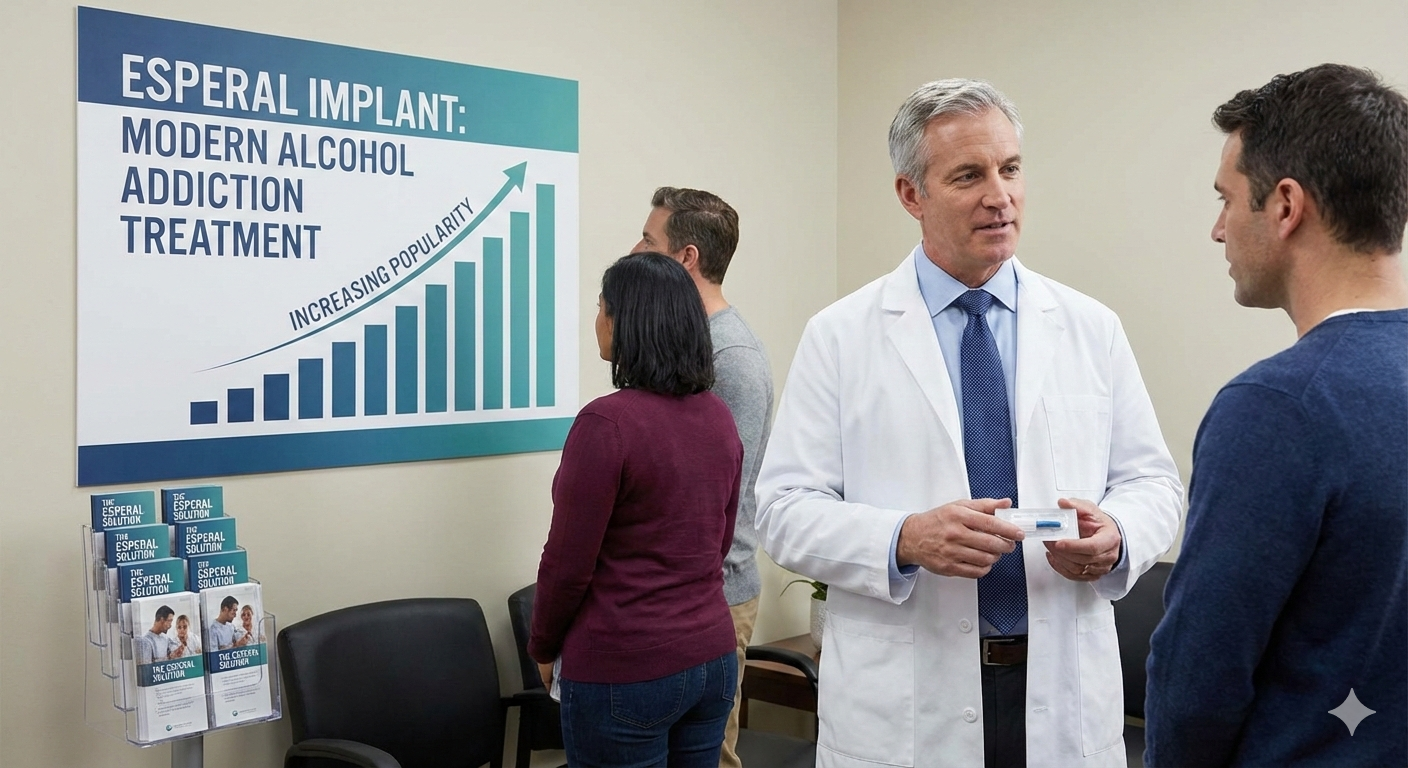
The most recent and successful method of treating alcoholism is the implant known as Esperal.
Drinking too much alcohol can be harmful and cause a number of issues, including cancer, injuries, violence, and liver illnesses. An estimated 5.8% of adults in the US alone are thought to have an alcohol consumption disorder. It becomes challenging to stop drinking after a while, and withdrawal symptoms are possible. If you have alcoholism and are seeking treatment, you may want to think about getting an implant. It is among the safest and most successful ways to treat alcoholism.
Who Needs Alcohol Abuse Treatment?
If drinking is creating repeated consequences and you still cannot stop reliably, treatment is worth serious consideration. That includes people who binge drink on weekends, drink daily to cope, hide their alcohol use, break promises to cut back, or keep relapsing after periods of abstinence.
Some warning signs are obvious. You may be losing trust at home, performing poorly at work, making risky decisions, or facing legal problems. Other signs are quieter but just as serious, such as planning your day around drinking, feeling anxious when alcohol is not available, or needing alcohol to relax, sleep, or feel normal.
Not everyone who seeks treatment sees themselves as severely dependent. That does not mean treatment is unnecessary. Early intervention is often easier than waiting for the situation to get worse. The longer a harmful pattern continues, the more deeply it can shape behavior and daily life.
What to Expect From a Personalized Program
A personalized alcohol treatment program should feel direct, not vague. You should know what problem your treatment addresses, what methods your program uses, what progress looks like, and what happens if cravings or setbacks arise.
In many outpatient settings, treatment begins with a clear evaluation and a recommendation based on urgency, risk level, and goals. Some people want complete abstinence immediately. Others arrive under pressure from family, court obligations, or a recent incident and need a firm intervention that moves them into action. Both situations require structure, not judgment.
At Philadelphia Addiction Center, the emphasis is on individualized care that goes beyond one-size-fits-all addiction services. That can matter when a person wants a focused alcohol program, complementary therapies, and a private local setting that treats the issue as urgent and treatable.
The best programs also understand resistance. People often come in frustrated, embarrassed, skeptical, or exhausted from failed attempts. Good treatment does not get stuck there. It meets the person where they are, then pushes toward real behavioral change.
How Long Does Alcohol Abuse Treatment Take?
There is no honest one-size answer. Some people respond well to short-term, focused treatment and strong accountability. Others need a longer course because their pattern is more entrenched or they have relapsed many times before.
What matters most is not chasing a perfect timeline. It is important to enter the right level of care soon and to remain engaged long enough to change the pattern. Treatment that ends too early often leaves the real drivers untouched. When treatment is properly matched, it is more likely to produce stable results.
This is why quick fixes deserve caution. If a program promises effortless change with no follow-through, that should raise concern. Effective alcohol abuse treatment may be efficient, but it is still treatment. It requires participation, honesty, and a plan that addresses both craving and behavior.
When to Act
If you are asking what alcohol abuse treatment is, there is a good chance this issue has already moved from concern to consequence. You do not have to wait for a worse crisis, another legal problem, or another broken promise before taking it seriously.
The right treatment can give you more than information. It can give you a structured way to stop the cycle, rebuild control, and move forward with support that actually fits your situation. The next step does not have to be dramatic. It just has to be decisive.
Philadelphia Addiction Center is the #1 Outpatient Treatment Facility for Alcohol Abuse
While alcoholism treatment centers are in almost every state of the US, not all of them can prove a high success rate in the treatment of alcohol abuse. Philadelphia Addiction Center, the subdivision of the Philadelphia Holistic Clinic, is known as the home for the “Esperal Implant” on the East Coast of the USA. The success rate of the treatment provided at the center is way above average in the industry.
For more information about Esperal treatment for alcohol abuse, contact Philadelphia Addiction Center at (267) 403-3085