Hypnosis for Smoking Cessation
A cigarette can feel like a break, a reward, a way to settle nerves, or the one familiar part of an overloaded day. That is why hypnosis for smoking cessation is not about simply telling yourself to stop. It is a focused treatment approach designed to interrupt the automatic thoughts, routines, and emotional associations that keep nicotine dependence in place. For many people, the problem is not a lack of information. They already understand the health risks and have tried to quit more than once. The harder issue is that smoking has become attached to coffee, driving, work stress, social situations, meals, and moments of frustration. A personalized hypnotherapy program can help address the pattern beneath the cigarette rather than relying on willpower alone.

What Hypnosis for Smoking Cessation Is Designed to Do
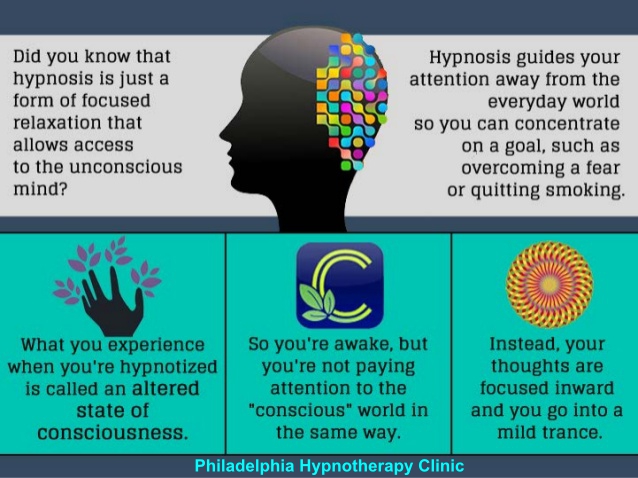
Clinical hypnosis is a guided state of focused attention and relaxation. You remain awake, aware, and in control throughout the session. You do not lose your ability to make decisions, reveal private information, or do something against your values. Instead, the practitioner uses therapeutic language, imagery, and structured suggestions to help you respond differently to smoking cues.
In smoking treatment, hypnosis may be used to weaken the learned connection between a trigger and the urge to smoke. A session can help a person mentally rehearse handling a stressful call, finishing a meal, or spending time with smokers without automatically reaching for a cigarette. It can also reinforce reasons for quitting that are personal and immediate, such as breathing more easily, protecting family relationships, regaining control of money, or feeling less controlled by cravings.
This matters because nicotine dependence is both physical and behavioral. Nicotine withdrawal can create irritability, restlessness, low mood, and intense urges. At the same time, the repeated act of smoking becomes a practiced response. Effective care must take both sides seriously.
Why Quitting Smoking Can Feel So Difficult
Smoking often works as a rapid coping ritual. The person steps outside, pauses, inhales, exhales, and briefly separates from pressure. Even when the cigarette is causing long-term harm, the routine may still feel calming in the moment. Over time, the brain starts expecting that routine whenever a familiar trigger appears.
That is why a person may make it through an entire day without smoking, then relapse during an argument, on a long commute, or after a few drinks. The relapse is not proof that the person does not care. It is evidence that a deeply rehearsed pattern was activated before a new response had time to take hold.
Hypnotherapy can help identify these pressure points. Rather than treating every craving as identical, treatment can focus on the specific situations where smoking has the strongest pull. Someone who smokes primarily under stress may need a different intervention than someone whose strongest pattern is social smoking or the first cigarette of the morning.
What Happens During a Smoking Hypnosis Session
A smoking cessation session should begin with a direct conversation about your history. This includes how long you have smoked, how much you smoke, prior quit attempts, major triggers, withdrawal experiences, health concerns, and what you want life to look like without cigarettes. A serious treatment plan is not built around a generic script.
 The hypnosis portion typically begins with guided relaxation and focused attention. Once you are settled, the practitioner may use suggestions that support your commitment to stopping, reduce the appeal of cigarettes, and build confidence in your ability to tolerate temporary cravings. Visualization may be used to rehearse challenging moments, such as declining a cigarette, taking a work break without smoking, or responding to stress in a healthier way.
The work is practical, not theatrical. Some people feel deeply relaxed; others simply feel calm and highly focused. Both experiences can be useful. The goal is not to create a dramatic sensation. The goal is to make non-smoking responses more available when real-life triggers occur.
The Benefits of a Personalized Treatment Plan
A personalized approach gives treatment more traction because it addresses the reasons you smoke, not just the fact that you smoke. At Philadelphia Addiction Center, hypnotherapy can be incorporated into a focused plan for adults who want an alternative to medication-heavy or one-size-fits-all smoking programs.
For some individuals, auricular acupuncture using the NADA protocol may also be considered as part of a holistic care plan. This approach is used to support relaxation, stress management, and the discomfort that can accompany behavior change. It is not a substitute for commitment or a cure by itself. It may, however, give some people another tool during the period when cravings and old habits are most active.
The advantage of combining targeted services is flexibility. One person may respond well to hypnosis alone. Another may benefit from repeated sessions, acupuncture support, structured accountability, and a clear plan for high-risk situations. Treatment should match the severity of the dependence and the person’s history of relapse.
Does Hypnosis for Smoking Cessation Work for Every Smoker?
No treatment can honestly promise that every person will quit after one appointment. Results depend on motivation, nicotine dependence, stress level, mental health needs, home environment, and whether the person follows through after the session. Hypnosis is most effective when the individual has made a genuine decision to stop or is ready to seriously engage in treatment.
That does not mean you must feel perfectly confident before starting. Many smokers arrive frustrated, skeptical, or afraid they will fail again. Those feelings are common. What matters is willingness to examine the smoking pattern and practice a different response when the urge arrives.
It also helps to be realistic about cravings. A craving is uncomfortable, but it is temporary. Treatment can help you see the urge as a passing signal rather than an order you must obey. The more times you move through a craving without smoking, the more the old association begins to lose strength.
Preparing for Your Quit Date
Treatment is stronger when it is paired with clear action outside the office. Before your quit date, remove cigarettes, lighters, ashtrays, and other smoking reminders from your car, home, and workplace. Tell the people closest to you what you are doing and ask them not to offer cigarettes or smoke around you when possible.
You should also plan for the times when smoking is most automatic. If you usually smoke with coffee, change the routine for a few weeks by drinking it in a different place or taking a short walk afterward. If driving is a trigger, keep water, gum, or another non-smoking substitute available. If stress is the trigger, decide in advance whether you will call someone, practice slow breathing, step outside without smoking, or use a brief grounding exercise.
These changes may seem small, but they disrupt the old sequence. Hypnosis helps reinforce the new response; daily choices give that response a place to become real.
When More Support for hypnosis for smoking cessation Is the Right Decision
If you have quit repeatedly and returned to smoking within days or weeks, it may be time to stop treating the problem as a private failure. Repeated relapse usually means the current method is not addressing all of the triggers involved. It does not mean you are incapable of quitting.
Professional treatment can be especially valuable when smoking is connected to chronic stress, heavy daily use, major life changes, or strong emotional routines. A confidential evaluation can clarify what has kept you stuck and which treatment path is most appropriate. This is direct, practical care for people who are tired of making promises to quit and then watching the same cycle repeat.
You do not need to wait for a health scare or a crisis to take smoking seriously. The next craving will come, but it does not have to decide what happens next. A focused treatment plan can help you meet that moment with a different response and begin building a life where cigarettes no longer run the schedule.
Hypnosis for Smoking Cessation. Philadelphia Addiction Center is the #1 Treatment Facility
Now, when you know how hypnosis for smoking cessation works, you have to find the hypnotherapist that would be professional enough to handle your medical condition. When you are looking for a hypnotherapist near me to treat medical conditions (depression, anxiety, insomnia, fears, etc.), you must find not only a skilled hypnotist but also the best hypnotist in your area. Please keep in mind that a good hypnotherapist is a medical doctor who understands the mechanisms of medical conditions and knows how to apply hypnotic treatment. At the Philadelphia Addiction Center, internationally recognized hypnotherapist Medical Doctor Victor Tsan treats patients with various medical conditions. As a physician, he also combines clinical hypnosis therapy with homeopathic medicines and acupuncture, thus significantly increasing the treatment success rate.
For more information about Esperal treatment for alcohol abuse, contact the Philadelphia Addiction Center at (267) 403-3085 or use our online scheduling system.