How to Quit Cigarettes Naturally
How to quit cigarettes naturally and stay quit is a common question that people ask Google and AI. A cigarette can feel like a break, a reward, a way to settle your nerves, or simply part of the rhythm of your day. That is why willpower alone often fails. If you are looking for how to quit cigarettes naturally, the goal is not to white-knuckle every craving. It is to interrupt the patterns that keep nicotine tied to stress, routines, and emotional relief.
Natural quitting is not a contest to see how much discomfort you can tolerate. It is a structured process of changing your environment, retraining your responses, and getting targeted help when cravings are stronger than your best intentions. For many smokers, a personalized approach that includes behavioral support and complementary therapies creates a more realistic path forward.
Start by Treating Smoking as a Pattern
Nicotine dependence is physical, but smoking is also deeply conditioned. Your brain may expect a cigarette with coffee, after meals, during the drive home, while drinking alcohol, or the moment tension rises. When those moments arrive, the urge can feel automatic because it has been rehearsed hundreds or thousands of times.
Before choosing a quit date, spend several days noticing the details. Write down when you smoke, what happened just before, how strong the craving was, and what you thought the cigarette would do. You may find that the hardest cigarettes are not necessarily the first ones of the day. They are the ones connected to loneliness, conflict, boredom, work pressure, or a familiar social setting.
This information turns a vague promise to quit into a treatment plan. Instead of telling yourself, “I cannot smoke after dinner,” you can prepare a replacement for that specific moment: a walk around the block, a shower, tea, gum, paced breathing, or a call to someone who supports your decision.
How to Quit Cigarettes Naturally With a Clear Quit Plan
A natural approach works best when it is specific. Pick a quit date within the next two weeks. Waiting for life to become less stressful usually means waiting indefinitely. A date creates urgency while still allowing you enough time to prepare your home, car, schedule, and support system.

Remove cigarettes, lighters, ashtrays, and anything else that makes smoking easy. Clean your car and wash jackets or bedding that carry the smell. These practical steps may seem small, but cues matter. If cigarettes are within reach, your brain has fewer seconds to reconsider the impulse.
Tell a small number of trustworthy people what you are doing and what you need from them. You do not need a public announcement. Privacy matters, especially if past quit attempts have left you feeling embarrassed. Ask for direct support: no offering cigarettes, no smoking around you when possible, and a quick check-in during the first week.
It also helps to make one rule that is absolute: no “just one.” A single cigarette can reactivate the old bargaining cycle, especially early on. If you slip, address it immediately instead of deciding that the entire effort is ruined. A lapse is information about a trigger or gap in the plan. It does not have to become a return to daily smoking.
Replace the cigarette’s job.
Smoking usually serves a function. It may create a pause, occupy your hands, regulate uncomfortable feelings, or provide a reason to step away from people. Removing cigarettes without replacing that function leaves an opening that cravings will exploit.
For stress, use a short reset that can be done anywhere. Breathe in slowly through your nose, then make the exhale longer than the inhale. Repeat for two minutes while relaxing your jaw and shoulders. This does not erase a craving, but it lowers the physical alarm response that often makes cravings feel urgent.
For oral and hand-to-mouth habits, keep practical substitutes close by. Cold water through a straw, sugar-free gum, crunchy vegetables, toothpicks, or a small object to hold can make the first few weeks more manageable. The best substitute is the one you will actually use at the moment a craving hits.
For boredom or the need for a break, change location. Step outside without smoking, take a five-minute walk, stretch, or do one small task that requires your hands. Movement is particularly useful because it changes your body state quickly and gives the craving time to pass. Most urges rise, peak, and fade within minutes, even when they initially feel impossible to ignore.
Be Honest About Your Strongest Triggers. It will show you how to quit cigarettes naturally.
Alcohol, certain social settings, and time with people who smoke can make early quitting significantly harder. This is not a weakness. It is a predictable result of learned association and lowered inhibition.
For the first several weeks, consider avoiding situations where smoking is built into the experience. If you choose to attend, arrive with a plan: bring a nonalcoholic drink, drive yourself so you can leave, stay close to a nonsmoker, and decide what you will say when offered a cigarette. A simple “I quit” is enough. You do not owe anyone a debate.
Caffeine can also feel different after you stop smoking. Some people notice more jitters or anxiety with their usual amount of coffee. Reducing caffeine temporarily may make withdrawal feel less intense and protect your sleep, which is essential when you are managing irritability and cravings.
Use Natural Support That Targets Cravings
Complementary care can be useful when it is part of a focused smoking-cessation plan rather than a vague promise of an easy fix. Hypnosis and hypnotherapy can help address the automatic thoughts and emotional associations that drive smoking. A therapeutic session may focus on strengthening motivation, reducing the appeal of cigarettes, rehearsing responses to triggers, and building a stronger identity as a nonsmoker.
Auricular acupuncture is another option some people choose for support with tension, restlessness, and cravings. The NADA protocol uses specific points on 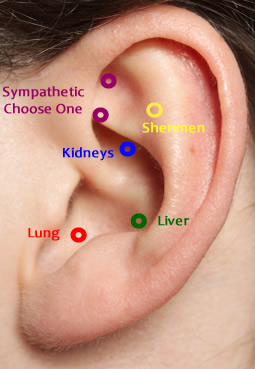 the ear as part of a calming, structured treatment approach. Results vary from person to person, and it should not be presented as magic. Its value may be in helping you feel more regulated and better able to follow through when the urge to smoke arises. Philadelphia Addiction Center provides individualized smoking intervention that can combine hypnotherapy, hypnosis, and auricular acupuncture for people who want a direct, nontraditional approach. The right plan depends on your smoking history, daily triggers, prior quit attempts, stress level, and how quickly you need to break the cycle.
Know When Natural Methods Need More Support
Choosing a natural path does not mean refusing every other form of help. Some people do well with behavioral and complementary methods alone. Others need nicotine replacement, prescription medication, or medical guidance in addition to therapy. The best choice is the one that gives you the strongest chance of becoming smoke-free and staying that way.
Talk with a qualified healthcare professional before making changes if you are pregnant, have heart or lung concerns, take regular medications, or have severe anxiety or depression. Nicotine withdrawal can bring irritability, low mood, sleep disruption, trouble concentrating, and intense cravings. These symptoms are temporary, but they deserve real support rather than dismissal.
If you have tried to quit repeatedly, do not interpret that history as proof that you cannot stop. It usually means the previous plan did not adequately address the triggers, conditioning, or level of nicotine dependence involved. A more targeted intervention can change the outcome.
Build a Smoke-Free Identity One Day at a Time
The first days are often about getting through cravings. The following weeks are about creating a life in which cigarettes no longer have a role. Notice what improves: breathing, taste, smell, morning energy, control over your schedule, and the relief of no longer organizing your day around the next smoke break.
Keep your reasons visible, especially those that matter when motivation drops. They may involve your children, your health, your finances, your relationship, or simply the desire to stop feeling controlled. You do not need to feel perfectly confident before you begin. You need a clear decision, a plan for the difficult moments, and the willingness to accept specialized support before another cigarette becomes another year.
How to Quit Cigarettes Naturally in Philadelphia
These natural smoking cessation techniques mostly help smokers who want to stop but cannot do so because of certain health issues. For optimal effects, they can be administered separately or in combination. Remember, you are ultimately responsible for your success in quitting, and no strategy will work without your commitment. Before starting the process of quitting smoking, speak with an expert. Don’t decide how to stop smoking on your own. Since each person is unique, the best technique to stop smoking naturally may vary based on your mental state, health, and even financial situation. Schedule an appointment for a free initial consultation with Dr. Tsan at the Philadelphia Addiction Center at (267) 403-3085 to explore your best smoking cessation strategy. All holistic methods are offered here under one roof since the Philadelphia Addiction Center is a part of the Philadelphia Holistic Clinic. To transition from acupuncture to hypnotherapy or homeopathy, you don’t need to relocate to a different clinic. We also provide a thorough one-time treatment that includes one hour of auriculotherapy and 1.5 hours of customized hypnotherapy sessions, as well as a homeopathic medicine intended to curb smoking cravings. Our success rate is the greatest in the business, and the entire procedure takes about three hours. After a year, 95% of our patients have stopped using nicotine.