Holistic Alcohol Recovery
Alcohol use can become destructive long before a person is ready to call it a crisis. A few drinks to sleep, drinking after work to quiet anxiety, broken promises to family, or a DUI can all signal that alcohol has taken too much control. Holistic alcohol recovery options give people a more personal path forward when willpower, abstinence promises, or one-size-fits-all programs have not been enough.

The right treatment should do more than tell you not to drink. It should identify what alcohol is doing for you—reducing tension, managing loneliness, numbing stress, filling time, or becoming part of a daily routine—and help you change that pattern at its source. For many adults, especially those seeking private and direct care in Philadelphia, complementary therapies can provide a focused alternative to the standard rehab-only approach.
What Holistic Alcohol Recovery Options Address
Holistic recovery does not mean vague wellness advice or pretending that positive thinking can solve a serious alcohol problem. It means treating the person behind the drinking pattern: the conditioned responses, emotional triggers, physical tension, habits, environment, and consequences that keep alcohol in the picture.

Alcohol dependence often has a powerful cue-response cycle. A stressful meeting, a familiar bar, an argument at home, or even a certain time of day can create an automatic urge to drink. The goal of treatment is to interrupt that automatic response and build a different one before the urge turns into another setback.
A well-designed plan can also account for practical realities. Some people need to protect their privacy while continuing to work. Others are facing court requirements, family pressure, or a relationship that may not survive another relapse. The treatment approach should be specific enough to meet the urgency of the situation, not merely offer general encouragement.
Safety Comes First When Stopping Alcohol
Anyone who drinks heavily or daily should not assume they can stop abruptly without medical guidance. Alcohol withdrawal can be dangerous, particularly for people with a history of severe withdrawal symptoms, seizures, hallucinations, significant medical conditions, or prolonged heavy use. Confusion, shaking, sweating, vomiting, severe agitation, and seizures require immediate medical attention.
Holistic services can be valuable components of a recovery plan, but they are not a substitute for emergency care or medically supervised withdrawal when it is needed. An honest assessment of drinking patterns, health history, medications, and prior withdrawal experiences helps determine the safest place to begin.
Hypnosis for Changing Alcohol Triggers
Hypnosis is one of the most practical holistic alcohol recovery options for people who feel trapped in repetitive thought patterns. It is not mind control, and it does not remove personal responsibility. In a clinical setting, hypnosis is a focused, relaxed state that can help a person work more directly with the associations and beliefs connected to drinking.

For example, someone may consciously know that alcohol is harming their health and relationships while still feeling a powerful internal pull to drink when stress rises. Hypnotherapy can target that disconnect. Sessions may focus on reducing cravings, strengthening aversion to destructive drinking, improving confidence in refusal, changing stress responses, and reinforcing a clear recovery goal.
The value lies in the specificity. A person who drinks alone at night needs a different intervention than someone whose drinking escalates at social events or after legal stress. Effective hypnosis should be individualized, with language and goals tied to the situations where alcohol has the strongest hold.
Hypnosis is not a magic switch, and outcomes depend on the person’s willingness to participate and follow through. Still, it can be a decisive tool for people who have spent years trying to argue themselves out of a behavior that feels automatic.
Auricular Acupuncture and the NADA Protocol
Auricular acupuncture uses small needles placed at specific points on the outer ear. The NADA protocol is a commonly used ear-acupuncture approach that supports 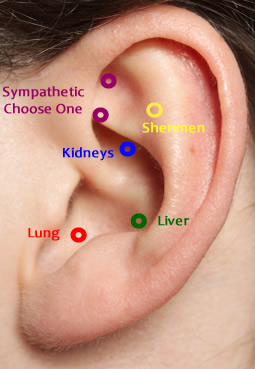 calm, emotional regulation, sleep, and relief from the agitation that can accompany early alcohol recovery.
For some people, the first days and weeks without alcohol are difficult because the nervous system has become used to alcohol’s effects. They may feel restless, irritable, tense, unable to sleep, or overwhelmed by cravings. Auricular acupuncture can be a useful non-medication support during this period, particularly when stress and physical discomfort make relapse feel tempting.
It is best viewed as part of a broader treatment strategy rather than a standalone cure. Acupuncture does not erase the consequences of alcohol misuse or resolve every emotional trigger. What it can do is help create enough stability for a person to engage more fully in counseling, hypnosis, behavior change, and daily recovery decisions.
Alcohol Deterrent Interventions: Creating a Pause Before Relapse
Some people need more than insight. They need a meaningful barrier between an impulse and a drink. Alcohol-focused deterrent interventions, including implant-based approaches when clinically appropriate, are designed to increase the consequences of drinking and support a serious commitment to abstinence.

This type of intervention may be especially relevant when repeated relapse has caused immediate consequences: a threatened marriage, job loss, legal trouble, impaired driving charges, or a pattern of drinking despite clear health warnings. It can create a period in which a person has room to establish new routines without relying solely on moment-to-moment willpower.
Deterrent treatment is not right for everyone. It requires an appropriate clinical evaluation, informed consent, and a realistic plan for what happens after the initial urgency fades. The strongest results come when a deterrent is paired with work on the reasons the person drinks, not treated as the entire answer.
A Personalized Plan Is More Effective Than a Generic Promise
Recovery plans fail when they are too broad. “I will drink less” is not a plan when alcohol has become the default response to stress or discomfort. A personalized approach defines the actual problem, the high-risk situations, the support needed, and the treatment methods most likely to help.
At Philadelphia Addiction Center, treatment can be structured around the individual rather than forcing every person into the same model. A plan may combine hypnotherapy with auricular acupuncture, alcohol deterrent treatment, and focused behavioral intervention. For someone with court obligations, it can also include a clear alcohol evaluation and documentation process that addresses the legal requirement without losing sight of the underlying issue.
The best approach depends on several factors: how much and how often someone drinks, whether withdrawal is a concern, previous attempts to stop, mental and physical health history, family pressure, legal circumstances, and the level of privacy needed. There is no benefit in minimizing these details. Direct answers lead to safer, more effective treatment.
What to Look for Before Choosing Care for Holistic Alcohol Recovery Options
Look for a provider that treats alcohol misuse as a serious, individualized condition rather than a character flaw. The initial assessment should be specific, not rushed. You should understand what each recommended method is intended to address, what participation is required from you, and when a higher level of medical care may be necessary.
Be cautious of any provider who guarantees a cure or suggests that one session will permanently resolve a long-standing drinking pattern. Real recovery is practical and measurable: fewer cravings, stronger refusal skills, improved sleep and clarity, safer choices, repaired trust, and sustained freedom from alcohol over time.
You don’t have to wait for another arrest, blackout, or painful conversation with someone you love to seek help. A focused evaluation can clarify where you are, what level of support you need, and which treatment path gives you the best chance to stop letting alcohol make the decisions.
Philadelphia Addiction Center is the #1 outpatient treatment facility for holistic alcohol recovery options
While alcoholism treatment centers are in almost every state of the US, not all of them can prove a high success rate in the treatment of alcohol abuse.
Philadelphia Addiction Center, the subdivision of the Philadelphia Holistic Clinic, is known as the home for the “Esperal implant” on the East Coast of the USA. The success rate of the treatment provided and holistic alcohol recovery options at the center is way above average in the industry.
For more information about Esperal treatment for alcohol abuse, contact Philadelphia Addiction Center at (267) 403-3085