Guide to Esperal Implant
A guide to esperal implant treatment should begin with one clear fact: the procedure is not a casual shortcut for controlling alcohol use. Esperal is a form of disulfiram, a medication intended to create a strong physical deterrent to drinking. For someone who has made promises to stop, relapsed, and watched alcohol strain family, work, health, or legal standing, that deterrent can feel immediate and meaningful. But it only works safely when the person understands the commitment, completes proper medical screening, and has a real plan for recovery.
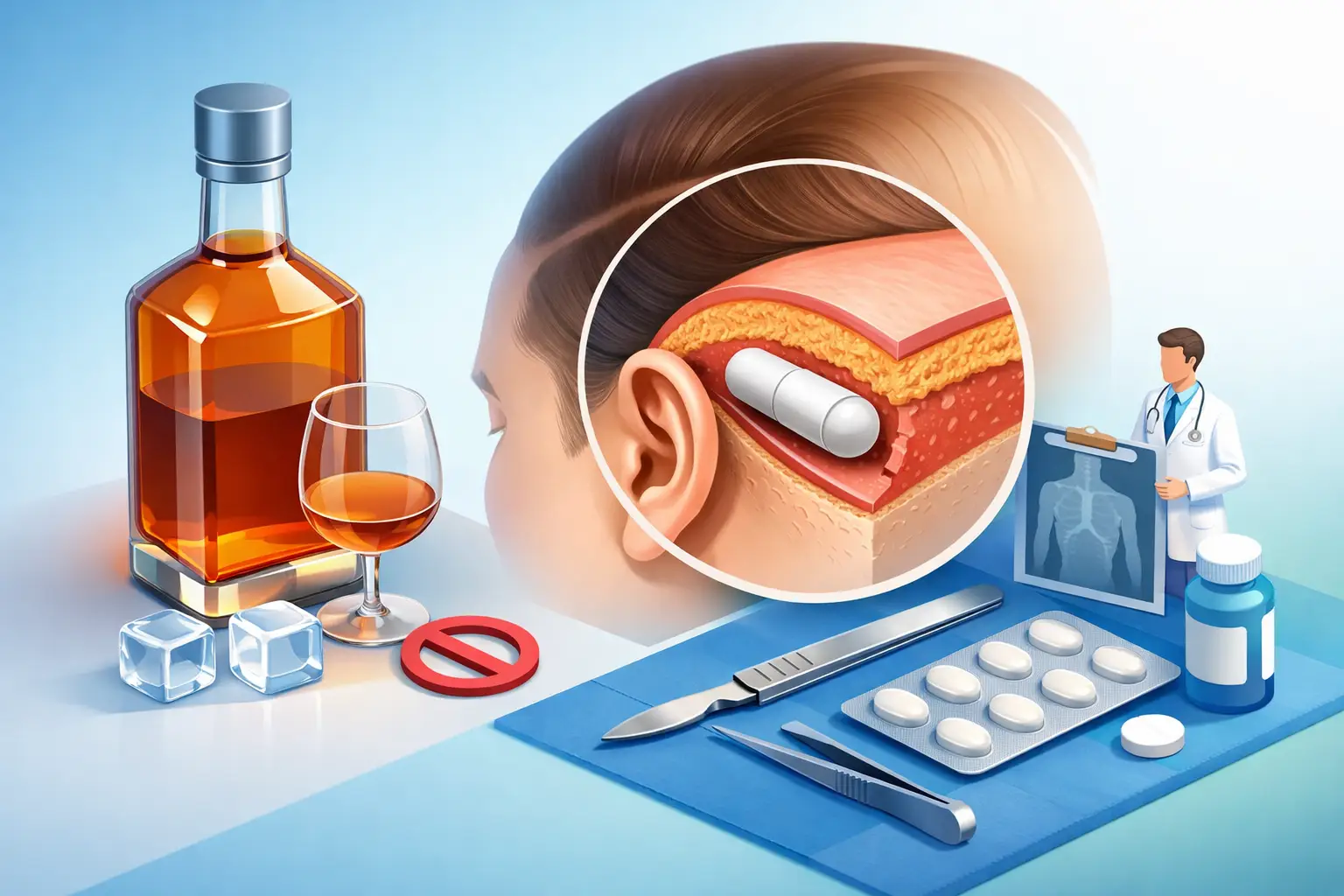
An implant does not erase the reasons a person drinks. It can, however, create a firm barrier during the period when new habits, counseling, and therapeutic support need room to take hold.
What an Esperal Implant Is
All necessary information you will find in this guide to Esperal implant. Esperal is associated with disulfiram, a medication that interferes with the body’s ability to process alcohol. If a person consumes alcohol while disulfiram is in their system, acetaldehyde can build up. This may trigger an intensely unpleasant reaction, including facial flushing, nausea, vomiting, headache, sweating, chest discomfort, rapid heartbeat, dizziness, and low blood pressure.
The purpose is deterrence. The individual knows that drinking may bring a serious physical reaction, so the decision to take the first drink carries a much more immediate consequence. This approach is different from a treatment that aims primarily to reduce cravings. Disulfiram does not resolve emotional triggers, stress, isolation, trauma, or the routines that have kept alcohol use in place.
An Esperal implant is intended to provide a longer-lasting form of deterrent treatment than taking a tablet every day. The exact procedure, formulation, duration, and availability vary significantly by country and provider. In the United States, implanted disulfiram products are not FDA-approved. Anyone considering this option in the Philadelphia area should discuss what is legally available, medically appropriate, and supported by a qualified clinician rather than relying on online claims or overseas marketing.
Who May Be a Candidate for Esperal Implant Treatment?
The strongest candidate is not simply someone who wants alcohol to stop causing problems. It is someone who has made a clear decision to pursue abstinence and wants an added layer of accountability while doing the therapeutic work. This may include a person facing repeated relapse, serious relationship pressure, workplace consequences, or a court-related alcohol concern.
Motivation still matters. An implant cannot force lasting recovery on someone who intends to test it, hide alcohol use, or continue drinking despite the risk. External pressure can start a conversation, especially when family or legal consequences are involved, but treatment is more effective when the person can identify a personal reason to change.
A thorough assessment should also consider physical health, current medications, mental health symptoms, alcohol-use pattern, and prior withdrawal experiences. Disulfiram may not be appropriate for everyone. Significant heart disease, certain liver conditions, psychosis, pregnancy, and medication interactions can change the risk calculation. A clinician must make that determination.
Detoxification Comes First
A person should not receive disulfiram-based treatment while intoxicated or before alcohol has cleared from the body. More importantly, sudden alcohol cessation can be medically dangerous for people with heavy or prolonged alcohol use. Withdrawal may involve shaking, severe anxiety, confusion, hallucinations, seizures, or other urgent symptoms.
That is why a responsible treatment process begins with an honest withdrawal-risk evaluation. If medically supervised withdrawal is needed, it comes before implant consideration. Trying to rush past this step can put a person at risk and undermine the entire treatment plan.
The Alcohol Reaction Is the Central Safety Issue
With Esperal or any disulfiram-based approach, avoiding alcohol means more than declining beer, wine, or liquor. Alcohol can appear in products people do not automatically think about, including some cough syrups, mouthwashes, cooking extracts, sauces, fermented beverages, cologne, aftershave, and topical products. Labels must be checked carefully.
The severity of a reaction can vary, but it should never be treated as a harmless scare tactic. A strong reaction can require urgent medical attention. Chest pain, trouble breathing, fainting, severe vomiting, confusion, or a racing or irregular heartbeat should be treated as an emergency.
There is a practical trade-off here. The deterrent can provide structure during a vulnerable period, but it also requires daily awareness. People who travel often, rely on over-the-counter remedies, or have difficulty reading labels need a clear safety plan. The treatment only helps when the person respects its limits.
What the Procedure and Follow-Up Should Include
A legitimate implant-based treatment discussion should be clinical, private, and specific. It should not promise a guaranteed cure or present the procedure as a replacement for recovery work. Before any procedure, the provider should review alcohol abstinence, health history, medications, possible contraindications, expected risks, and what to do in an emergency.
If an implant procedure is available and appropriate, it is generally performed by a licensed medical professional using sterile technique. The person should receive clear aftercare instructions for the incision site, activity restrictions if any, signs of infection, and follow-up contact. Redness, increasing pain, drainage, fever, or wound separation requires prompt medical evaluation.
The follow-up matters as much as the procedure. Alcohol dependence often has patterns: the same time of day, the same people, the same conflict, the same paycheck, or the same feeling of being overwhelmed. Those patterns need direct intervention. Otherwise, a person may remain alcohol-free for a period while feeling just as trapped, resentful, or unprepared as before.
Build Treatment Around More Than Deterrence
The best use of an alcohol deterrent is as one part of a personalized plan. At Philadelphia Addiction Center, treatment can be structured around focused alcohol intervention alongside therapeutic methods designed to address the behavioral and emotional side of dependency.
For some people, hypnosis or hypnotherapy can help interrupt automatic thinking, strengthen commitment, and rehearse different responses to familiar triggers. Auricular acupuncture using the NADA protocol may support relaxation and help some individuals manage stress during early change. These approaches are not substitutes for medical care when withdrawal risk is present, but they can be valuable additions for people seeking an approach beyond a standard rehab-only model.
A useful plan also answers practical questions before the next trigger arrives. What happens after an argument? Who will the person call when they want to drink? How will they handle a work event where alcohol is everywhere? What will replace the evening routine that has revolved around drinking? Specific answers are more protective than vague intentions.
Guide to Esperal Implant: Questions to Ask Before You Commit
Before pursuing an Esperal implant, ask the provider whether the treatment is legally available in your location and whether an implant, an oral medication, or another alcohol-focused intervention is the safer option. Ask how withdrawal risk will be assessed, what medical conditions or medications could rule out treatment, and what emergency instructions apply if alcohol is consumed.
Also ask about the work that follows the procedure. A treatment provider should be prepared to discuss relapse prevention, trigger management, family stress, anxiety, sleep disruption, and ongoing accountability. If the conversation focuses only on the implant and not on the person receiving it, the plan is too narrow.
Taking the Next Step With Clarity
Alcohol problems become more dangerous when people manage them in secret or minimize them until another crisis forces action. An Esperal implant may be worth discussing for a person committed to abstinence who wants a concrete deterrent, but it should always follow a careful medical evaluation and fit into a broader treatment strategy.
The most useful next step is an honest assessment: how much alcohol is being used, whether withdrawal is a concern, what has triggered relapse before, and what support will make change realistic this time. A decisive treatment plan can turn the desire to stop into a safer, more durable commitment.
Philadelphia Addiction Center, the home for the Esperal implant, is the #1 outpatient treatment facility for alcohol abuse.
This guide to Esperal implant gave you important information about the most advanced and effective treatment for alcoholism. While alcoholism treatment centers are in almost every state of the US, not all of them can prove a high success rate in the treatment of alcohol abuse. Philadelphia Addiction Center, the subdivision of the Philadelphia Holistic Clinic, is known as the home for the “Esperal Implant” on the East Coast of the USA. The success rate of the treatment provided at the center is way above average in the industry.
For more information about Esperal treatment for alcohol abuse, contact Philadelphia Addiction Center at (267) 403-3085