Antabuse Implants
A relapse can feel like it happens in a single moment, but it is usually the end point of a familiar pattern: stress, craving, rationalization, and another drink. If you are asking, are Antabuse implants available, you are likely looking for more than advice to “try harder.” You want a serious barrier between you and alcohol, delivered privately and with a clear treatment plan behind it.

The direct answer is that implant-based disulfiram treatment may be available through select providers, but it is not a standard option offered everywhere. Availability depends on the provider’s clinical process, the product used, your health history, and whether implant treatment is appropriate for you. It should never be treated as a casual procedure or a shortcut around the work of recovery.
Are Antabuse implants available in the United States?
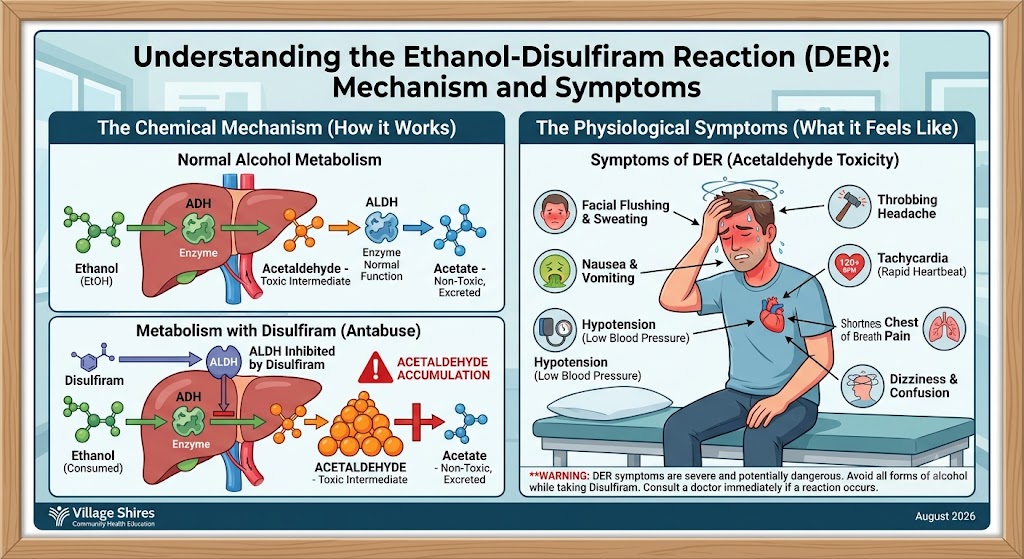
Antabuse is the well-known name many people use for disulfiram, a medication designed to create a powerful deterrent to drinking. When someone consumes alcohol while disulfiram is active in their body, they can experience an intensely unpleasant reaction. Flushing, pounding headache, nausea, vomiting, chest discomfort, shortness of breath, rapid heartbeat, and severe anxiety are possible. In serious cases, the reaction can be dangerous.
In the United States, oral disulfiram has been used under medical supervision for a long time. Disulfiram implants, however, are not a routine, universally available treatment and are not FDA-approved as a standard implanted product. Some providers may offer implant-based deterrent services, while others do not. That difference matters. A responsible clinic should clearly explain what is implanted, how the procedure is performed, how long the intended effect lasts, and what monitoring is included.
For a person in Philadelphia, the practical question is not simply whether an implant exists. It is whether a qualified provider can determine that this approach is medically appropriate and can build it into a broader alcohol treatment strategy.
What an implant-based deterrent approach is meant to do
An alcohol deterrent implant is intended to provide a sustained reminder that drinking carries immediate consequences. For people who repeatedly make a firm decision to stop, only to reverse it during a craving or a high-risk situation, that barrier can feel meaningful. It may create enough space to interrupt automatic drinking behavior and begin changing the triggers underneath it.
That does not mean an implant removes cravings, heals family stress, or resolves the emotional patterns connected to alcohol misuse. It is a deterrent, not a complete recovery plan. The strongest outcomes come when the intervention is paired with focused behavioral support, accountability, and tools for managing the moments when alcohol has usually taken control.
So, if your question is, “Are Antabuse implants available in Philadelphia?” the answer is YES.
At the Philadelphia Addiction Center, alcohol-focused intervention can be tailored with complementary approaches like hypnotherapy, hypnosis, auricular acupuncture using the NADA protocol, and structured treatment planning. The goal is not to offer a one-size-fits-all answer. It is to put real distance between a person and the pattern that has been harming their health, relationships, work, or legal standing.
Who may be a candidate for an Antabuse implant? Find if Antabuse Implants are available in your area.
The right candidate is generally someone who has made a genuine decision to stop drinking and wants external accountability during a vulnerable period. They understand that alcohol cannot be safely “tested” while disulfiram is active, and they are willing to follow medical instructions closely.

A proper evaluation should cover current drinking patterns, prior attempts to quit, medical conditions, medications, mental health concerns, and the support available at home. The provider also needs to discuss the person’s reasons for seeking treatment. Someone facing a family ultimatum, a workplace consequence, or a court-related alcohol matter may be highly motivated, but pressure alone does not replace informed consent and personal commitment.
Implant treatment may not be appropriate for everyone. Certain heart, liver, or psychiatric conditions can require extra caution or make disulfiram unsuitable. Pregnancy, medication interactions, and an inability to reliably avoid alcohol-containing products are also important considerations. This is why a clinic should never present an implant as a walk-in procedure with no assessment.
Alcohol exposure is broader than a drink.
People considering disulfiram need direct, practical education before treatment. Alcohol can appear in more places than beer, wine, and liquor. Some cough syrups, mouthwashes, cooking extracts, sauces, fermented foods, personal-care products, and liquid medications may contain alcohol. Not every exposure produces the same risk, but guessing is not a safe strategy.
A treatment provider should give clear instructions on what to avoid and what to do if alcohol exposure occurs. The discussion should also include the need to avoid drinking before any procedure or disulfiram-based treatment begins. A person who is currently intoxicated or physically unstable needs medical guidance first.
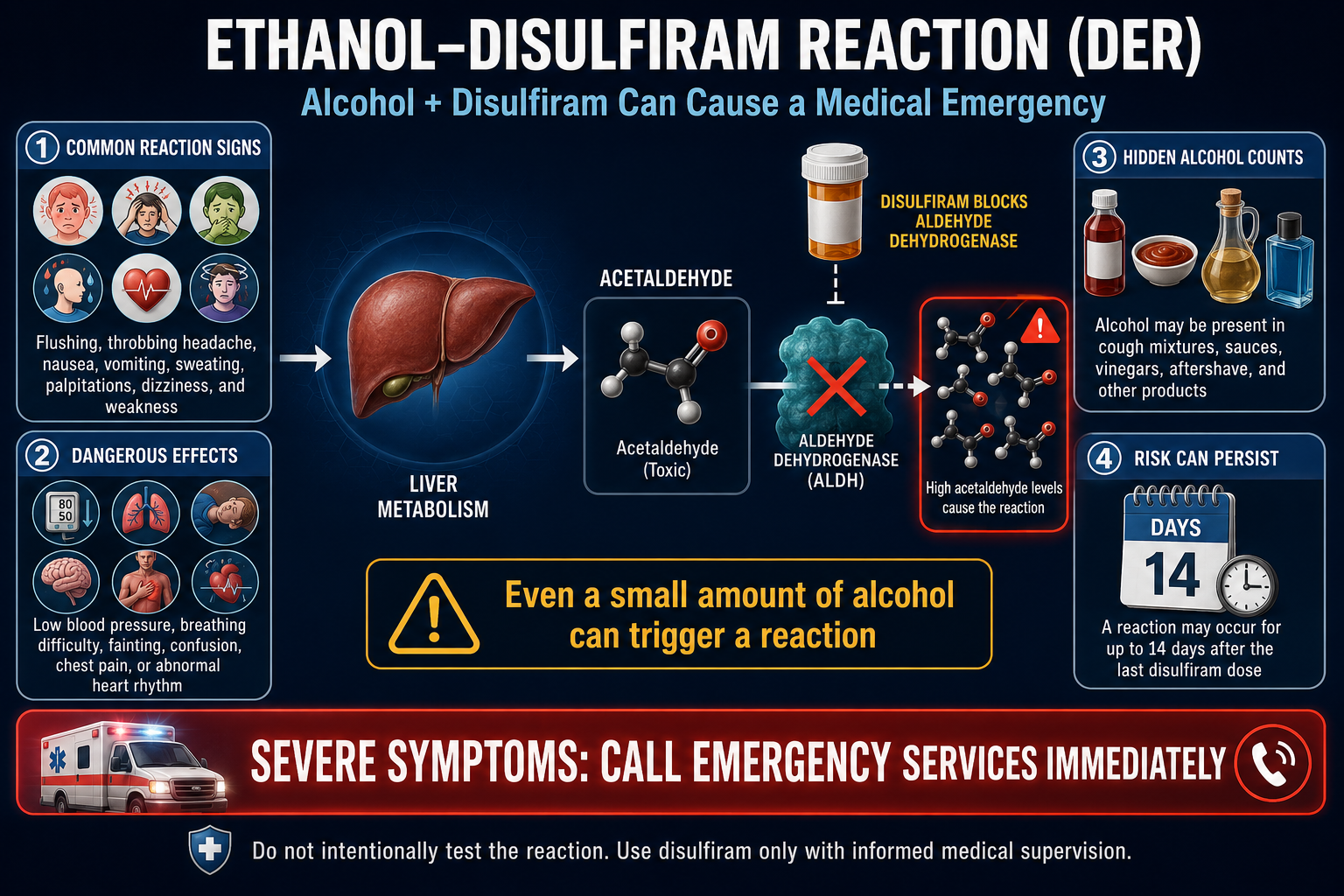
If someone using disulfiram develops severe symptoms after alcohol exposure, such as chest pain, fainting, trouble breathing, confusion, or persistent vomiting, they should seek emergency medical care immediately. The deterrent effect is intentional. You must take the medical risks just as seriously.
Questions to ask before choosing a provider
Because availability varies, a consultation is the time to get precise answers rather than relying on broad online claims. Ask whether the provider offers implanted disulfiram specifically, what material or formulation is used, and whether the service is appropriate under your health circumstances. You should also understand expected duration, aftercare, possible side effects, follow-up scheduling, cost, and what happens if you need medical attention after the procedure.
It is equally reasonable to ask what support exists beyond the implant. A provider should be able to explain how treatment will address triggers, stress, secrecy around drinking, family conflict, and the routines that keep alcohol at the center of daily life. If court documentation or an alcohol evaluation is part of the reason you are seeking help, ask in advance what records can be provided and what participation is required.
Be cautious of any promise that an implant will permanently “cure” alcohol dependence or guarantee that you will never drink again. Recovery is more demanding than that, but it is also more possible when there is a structured plan and someone expects you to follow it.
When an implant may not be the best first step
Some people want an implant because repeated relapse exhausts them and they need immediate action. That urgency is understandable. Still, the best next step may be a thorough alcohol evaluation, medical stabilization, behavioral treatment, or a different medication strategy recommended by a licensed prescriber.
An implant is most useful when it supports a decision that is already taking shape: “I am done allowing alcohol to run this part of my life.” It is less effective when someone expects the procedure to do all the deciding for them. A qualified treatment professional can help distinguish between those situations without judgment and without minimizing the seriousness of the problem.
If alcohol has begun to dictate your mornings, your promises, your relationships, or your legal future, do not wait for another crisis to force a decision. A private assessment can clarify whether an implant-based deterrent approach is available and appropriate, and it can give you a treatment path built for the life you need to protect.
Are Antabuse implants available in Philadelphia? Philadelphia Addiction Center is the home for Antabuse Implant Esperal.
While alcoholism treatment centers are in almost every state of the US, not all of them can prove a high success rate in the treatment of alcohol abuse. Philadelphia Addiction Center, the subdivision of the Philadelphia Holistic Clinic, is known as the home for the “Esperal Implant” on the East Coast of the USA. The success rate of the treatment provided at the center is way above average in the industry.
For more information about Esperal treatment for alcohol abuse, contact the Philadelphia Addiction Center at (267) 403-3085