Esperal Implant for Alchoholism
A serious Esperal implant review should begin with one question: are you prepared to stop drinking completely, including avoiding alcohol hidden in everyday products? Implant-based disulfiram treatment is designed to create a powerful physical deterrent to alcohol use. For some people who have cycled through promises, relapse, family pressure, or legal consequences, that added barrier can feel like the decisive intervention they need. But it is not a casual procedure, a guaranteed cure, or a substitute for a real recovery plan.

Esperal is a name used in some countries for disulfiram-based treatment. Disulfiram changes how the body processes alcohol. If alcohol is consumed while the medication is active, acetaldehyde can build up and trigger an intensely unpleasant reaction. The purpose is straightforward: make drinking a high-stakes choice rather than an automatic habit.
What an Esperal Implant Is Intended to Do
An Esperal implant places a disulfiram-containing material under the skin through a minor procedure. The goal is to provide a sustained deterrent over time, removing the daily decision of whether to take a pill. That distinction is relevant for people whose alcohol use becomes most dangerous during moments of stress, isolation, celebration, or emotional conflict.
With oral disulfiram, the treatment depends on consistent daily adherence. Missing doses can weaken the practical deterrent. An implant is often appealing because it may offer a more continuous reminder of a treatment commitment. Many people pursuing this option are not looking for another vague recommendation to “try harder.” They want a concrete boundary between themselves and alcohol.
That said, the implant does not erase cravings, repair relationships, resolve anxiety, or teach new responses to triggers. It can create valuable space between an urge and a drink. What happens in that space still determines much of the outcome.
Esperal Implant Review: Benefits and Limits
The central benefit is deterrence. When a person understands that drinking may produce severe physical discomfort, alcohol can lose some of its immediate pull. This can be especially meaningful after repeated failed attempts to quit without structured support. The treatment may also reduce the bargaining that often happens before a relapse: “just one drink,” “only at dinner,” or “I can restart tomorrow.”
The psychological effect can be as important as the medication itself. A visible, intentional treatment step may strengthen accountability to a spouse, family, employer, counselor, or court-related plan. It can also provide a person a clear reason to leave a risky environment before drinking begins.
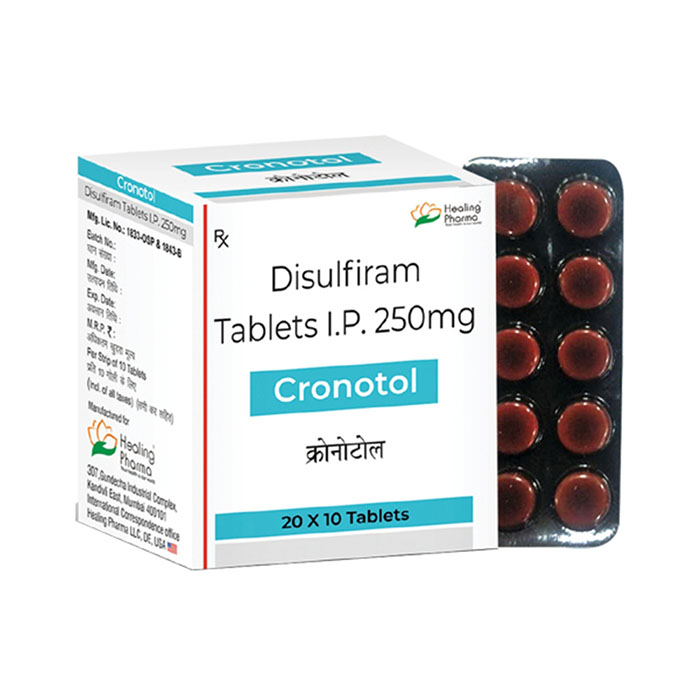
However, the limits deserve equal attention. Research on disulfiram implants has been mixed, and the amount and duration of medication released from an implant can vary. An implant is not the same as supervised oral disulfiram, which has a clearer and more established role in carefully selected alcohol treatment plans. In the United States, disulfiram implants are not FDA-approved. Anyone considering an implant should receive a direct explanation of the product, the procedure, the expected duration, alternatives, and the evidence supporting the specific approach being offered.
A responsible provider will not sell implant treatment as effortless abstinence. The best results happen when deterrent treatment is combined with ongoing behavioral support, trigger management, family accountability when appropriate, and a practical plan for high-risk situations.
The Alcohol Reaction Is Not a Minor Side Effect
Disulfiram works because alcohol exposure can cause a reaction that people want to avoid. Symptoms may include flushing, throbbing headache, nausea, vomiting, sweating, chest discomfort, dizziness, weakness, rapid heartbeat, and shortness of breath. Severe reactions can become medically dangerous.
Alcohol is not limited to beer, wine, and liquor. Certain mouthwashes, cough syrups, cooking extracts, sauces, fermented products, colognes, hand sanitizers, and topical products may contain alcohol. Not every incidental exposure causes the same response, but patients should not guess. They need clear instructions on what to avoid and what to do if an exposure occurs.
This is why implant-based deterrent treatment requires commitment and education before the procedure, not afterward. If someone intends to keep drinking, feels unsure about abstinence, or cannot reliably avoid alcohol-containing products, a different treatment path may be safer and more realistic.
Who Should Pause Before Considering an Implant?
A careful medical screening is essential. Disulfiram may not be appropriate for everyone, particularly people with certain heart conditions, significant liver concerns, a history of psychosis, cognitive impairment that prevents informed consent, or a known sensitivity to the medication. Pregnancy status, current prescriptions, supplements, and medical history also need to be reviewed.
The timing of treatment matters as well. A person should not undergo a disulfiram-based intervention while alcohol is still in their system or while they are experiencing potentially dangerous withdrawal symptoms. Sudden alcohol withdrawal can require medical care. Shaking, confusion, hallucinations, seizures, severe vomiting, or unstable vital signs are not situations to manage alone or postpone for an outpatient procedure.
An honest evaluation should also explore motivation. External pressure can start the conversation, whether it comes from a spouse, family member, workplace concern, or court requirement. But lasting change becomes more likely when the person can identify their own reason to stop. Protecting a relationship, keeping a job, restoring health, or ending the daily fear of another drinking episode can become a meaningful foundation for treatment.
What a Responsible Treatment Plan Looks Like
A procedure is only one part of intervention. Before considering Esperal, a provider should assess alcohol-use patterns, prior attempts to quit, withdrawal history, medical conditions, mental health concerns, medications, and immediate safety risks. The assessment should be private, direct, and free of false promises.
Aftercare should be specific rather than generic. That may include scheduled counseling, hypnosis aimed at changing conditioned drinking responses, auricular acupuncture using the NADA protocol, recovery-oriented routines, and planned check-ins during high-risk periods. The right mix depends on the person. Someone whose drinking follows work stress needs a different plan from someone whose drinking is tied to grief, social pressure, or nightly insomnia.
At Philadelphia Addiction Center, alcohol-focused intervention can be structured around the individual rather than forced into a one-size-fits-all rehab model. For the right candidate, deterrent treatment may be considered alongside behavioral and holistic services that address the patterns surrounding alcohol use. The goal is not simply to fear a reaction. It is to build a life in which alcohol is no longer the default response.
Questions to Ask Before You Commit
Ask exactly what substance is being implanted, how the procedure is performed, how long the effect is expected to last, and what evidence supports that expectation. Ask who performs the procedure, what follow-up is included, and what medical support is available if you have a reaction or complication.
You should also ask about alternatives. Oral disulfiram with supervised dosing may be a better fit for some people because treatment can be adjusted or stopped under medical guidance. Others may benefit more from counseling, structured outpatient care, hypnosis, acupuncture, or another clinician-directed alcohol treatment approach. There is no prize for choosing the most dramatic option. The best choice is the one that is medically appropriate and gives you the strongest realistic chance of sustained change.
A worthwhile Esperal implant review is not about deciding whether the procedure sounds tough enough. It is about deciding whether you are ready for a clear alcohol-free commitment and whether the provider has built the medical screening, education, and continuing support to help you keep it.
Esperal Implant Review: Philadelphia Addiction Center is the home for the Esperal implant on the East Coast.
While alcoholism treatment centers are in almost every state of the US, not all of them can prove a high success rate in the treatment of alcohol abuse. Philadelphia Addiction Center, the subdivision of the Philadelphia Holistic Clinic, is known as the home for the “Esperal implant” on the East Coast of the USA. The success rate of the treatment provided at the center is way above average in the industry.
For more information about Esperal treatment for alcohol abuse, contact Philadelphia Addiction Center at (267) 403-3085