Gambling Addiction
A gambling addiction treatment clinic is not only for someone who has lost everything. It is for the person hiding online betting from a spouse, borrowing money to cover losses, spending work hours chasing the next win, or promising to stop after one more game. Gambling can become destructive quickly because the damage is often private at first. Family, finances, or legal pressure often brings gambling into the open, but by that time, the pattern may already feel impossible to control.

At Philadelphia Addiction Center, treatment is designed to address the behavior directly and give people a focused path out of the cycle. That means looking beyond willpower alone. A practical plan must address the triggers, emotional relief, automatic habits, and distorted thinking that keep gambling active even when the consequences are severe.
When Gambling Stops Being Entertainment
Recreational gambling has limits. A person can walk away, stay within an agreed budget, and accept a loss without feeling compelled to recover it immediately. Problem gambling changes that relationship. The activity becomes less about enjoyment and more about urgency, escape, relief, or the belief that one more bet will fix the damage caused by earlier bets.
The warning signs are not always dramatic. Some people maintain jobs, pay certain bills, and appear composed while managing a growing crisis in secret. Others cycle between periods of stopping and sudden binges, which can create false confidence that they have the problem under control.
A person may need treatment when gambling is causing four or more of the following problems:
- Repeatedly betting more money or spending more time than intended
- Chasing losses with larger or riskier bets
- Hiding transactions, accounts, apps, or time spent gambling
- Borrowing money, using credit, or selling possessions to continue
- Feeling restless, irritable, anxious, or preoccupied when trying to stop
- Missing work, neglecting family responsibilities, or risking relationships
The central issue is not the amount of money lost on any single day. It is the loss of control. Once gambling repeatedly overrides judgment, values, and financial boundaries, waiting for a “better time” to stop can deepen the consequences.
What a Gambling Addiction Treatment Clinic Should Address
A helpful clinic for treating gambling addiction does more than tell clients to avoid casinos, betting sites, or lottery tickets. Avoiding access matters, but it does not remove the internal pressure that drives the behavior. Effective care identifies what gambling has been doing for the individual.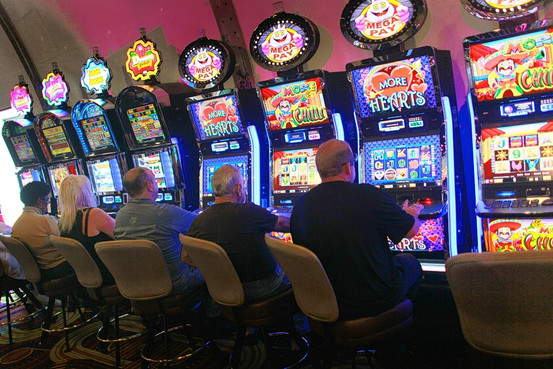
For one person, it may be a fast escape from stress, loneliness, anger, or boredom. For another, it may be an attempt to recover from financial losses or regain a sense of control. Some clients are triggered by sports, payday, alcohol use, conflict at home, or the isolation of late-night phone use. Treatment needs to identify those specific patterns rather than applying the same script to every person.
The first stage is an honest assessment of the gambling behavior and its consequences. This may include frequency, spending, debt, emotional triggers, relationship strain, work concerns, and past attempts to quit. It can also reveal related issues such as anxiety, sleep disruption, guilt, or a tendency to use gambling as emotional anesthesia.
From there, a treatment plan should be concrete. Vague intentions like “be more responsible” rarely hold up during a strong urge. A stronger plan establishes immediate boundaries, identifies high-risk situations, creates a response for cravings, and builds accountability where it is needed. Privacy matters, but it should not become another form of secrecy that protects gambling behavior.
Why Hypnosis Can Be Part of Focused Treatment
Many people with gambling problems understand the risks intellectually. They know they cannot afford another loss. They know their family is hurt. Yet the urge can still take over in just a few minutes. This gap between knowing and doing is where hypnotherapy may be useful.
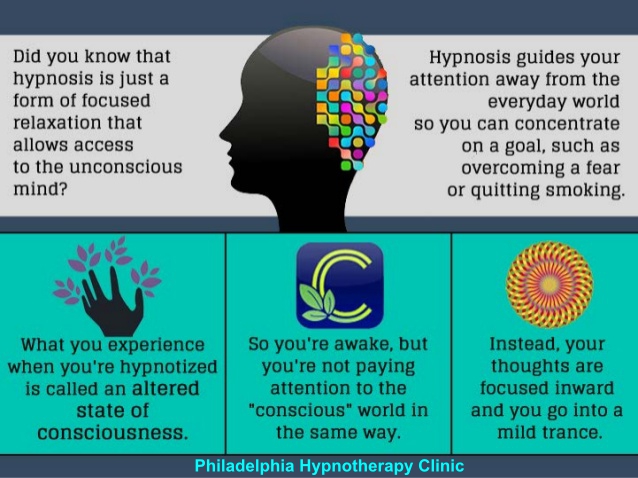
Clinical hypnosis is not entertainment or loss of control. It is a focused therapeutic process that can help a client work with the automatic thoughts, emotional associations, and habitual responses connected to gambling. In a calm, guided state, the client can practice responding differently to triggers and reinforce a stronger commitment to financial safety, personal stability, and long-term goals.
Hypnotherapy is not a magic switch, and responsible treatment should not present it that way. Its value depends on the person’s willingness to engage, the severity of the pattern, and the quality of the overall treatment plan. For many people, however, it can be a meaningful alternative when they are tired of repeating the same promises and relapse cycle.
Auricular Acupuncture and Urge Management
Gambling urges can feel physical. A client may experience agitation, racing thoughts, tension, restlessness, or an intense need to act immediately. When the nervous system is activated, it becomes harder to pause and make a sound decision.
Auricular acupuncture using the NADA protocol is a complementary approach that may support relaxation, emotional regulation, and stress reduction. Small points on the ear are used as part of a structured session. For clients who want non-medication-focused support, this service can fit perfectly within a broader gambling treatment plan.
It is not a replacement for financial safeguards, honest conversations, or behavior change. It can, however, give a person another tool for settling the internal pressure that often drives impulsive decisions. Treatment is strongest when the behavioral, emotional, and practical sides of the problem are addressed together.
Immediate Steps That Protect Recovery
Someone does not need to wait until treatment begins to reduce the damage. The first days after deciding to stop are often the most vulnerable, especially after a recent loss or a stressful event. Immediate safeguards reduce access while the person builds stronger coping skills.
This may mean removing betting apps, blocking gambling websites, handing financial control to a trusted person for a defined period, limiting access to cash and credit, or asking a spouse or family member to review accounts. These steps can feel uncomfortable because they require honesty. They are not punishment. They are barriers between an impulse and a life-changing financial decision.
It also helps to identify the hours and situations when gambling is most likely. If urges peak after work, on weekends, while watching sports, or after an argument, that time needs a replacement plan. A scheduled appointment, a walk, a meal with family, exercise, a support call, or a focused relaxation practice can interrupt the old routine. The replacement does not need to be exciting. It needs to be available when the urge arrives.
Choosing the Right Level of Care
The right treatment approach depends on the severity of the gambling pattern and the immediate risk. A person with mounting debt, threats to housing, severe relationship conflict, or an inability to stop despite repeated efforts may need more frequent and highly structured support. Someone in the early stages may respond well to focused outpatient sessions and clear behavioral safeguards.
The best choice is not necessarily the most intensive or the most familiar option. It is the one that confronts the actual pattern, fits the person’s circumstances, and provides enough accountability to create change. A local clinic can offer discretion and direct access to care, which is relevant for people who are trying to act before the situation becomes more public or more damaging.
Treatment also needs to be honest about setbacks. A lapse does not erase progress, but it does require immediate action. The goal is not to rationalize it, hide it, or wait for another crisis. The goal is to identify what happened, strengthen the plan, and return to treatment with greater clarity.
Gambling Addiction Treatment Clinic Will Help You to Make a Decision That Changes the Next Bet
Gambling problems feed on delay. The mind says the next win will solve the debt, the next week will be easier, or the next promise will finally hold. Real change begins when a person stops negotiating with that voice and chooses a structured response instead.
If gambling is taking money, time, peace of mind, or trust from your life, seeking focused treatment is a practical act of protection. The next step does not require perfection. It requires a decision to stop letting the next bet decide you.
Gambling Addiction Treatment Clinic in Philadelphia
Philadelphia Addiction Center, the subdivision of the Philadelphia Holistic Clinic, is known as the home for the “Esperal implant” on the East Coast of the USA. The success rate of the treatment provided at the center is way above average in the industry. Since casinos came to Philadelphia, the clinic became the top gaming addiction treatment clinic in the tri-state area, covering Pennsylvania, Delaware, and New Jersey.
For more information about Esperal treatment for alcohol abuse, contact Philadelphia Addiction Center at (267) 403-3085