Hypnosis for Alcoholism
A promise to stop drinking can feel completely sincere at 8 a.m. and painfully distant by late afternoon. For many people, the problem is not a lack of willpower. It is the automatic pull of stress, routines, cravings, social pressure, and thoughts that have become tied to alcohol over time. So, does hypnosis work for drinking? It can be a useful treatment tool for changing the patterns that keep alcohol use in place, particularly when it is part of an individualized plan rather than treated as a quick fix.
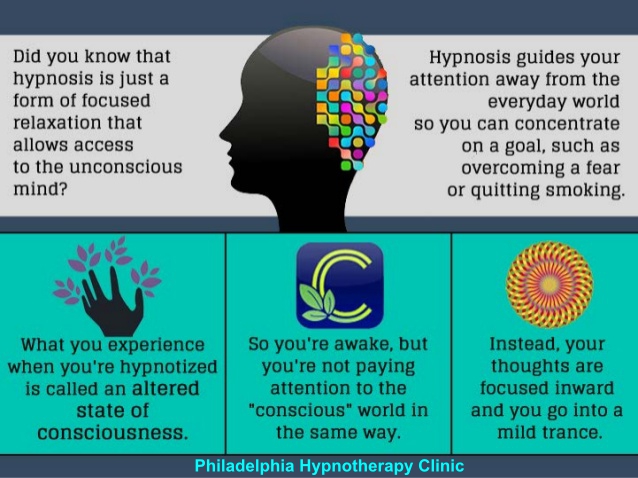
 Hypnosis does not involve losing control, revealing secrets, or being commanded to act against your values. Clinical hypnotherapy is a focused, cooperative process. You remain aware, able to respond, and in control throughout the session. The purpose is to help your mind become more receptive to healthier responses when familiar triggers show up.
How hypnosis can help with drinking
Alcohol use often becomes connected to specific moments: getting home from work, dealing with conflict, feeling lonely, going to a restaurant, watching a game, or trying to sleep. Even when someone understands the consequences of drinking, those cues can produce a strong urge before they have time to think through the decision.
Hypnotherapy works with the learned associations beneath that cycle. In a relaxed state of focused attention, a trained practitioner may use therapeutic suggestion, guided imagery, and behavior-focused techniques to help a person rehearse different responses. The work can reinforce the desire to protect relationships, health, employment, legal standing, and personal peace. It can also address the thinking that makes one drink seem harmless when past experience says otherwise.
The goal is not to erase every craving or make alcohol disappear from the world. The goal is to create more space between the trigger and the action. That space is where a person can choose to leave a situation, call for support, use a coping skill, or follow the treatment plan they have committed to.
What a session may focus on
A treatment session should not use one script for everyone. Someone who drinks after stressful workdays needs a different strategy than someone whose drinking increases during isolation, family conflict, or weekends with friends. A personalized approach begins by identifying the situations, emotions, beliefs, and routines that make alcohol difficult to resist.
Hypnosis may then be used to strengthen specific goals. This can include seeing oneself confidently declining a drink, feeling calmer during a usual craving window, replacing alcohol-centered rituals with healthier routines, or reconnecting with the reasons sobriety matters. Sessions may also address anxiety, sleep habits, self-defeating thoughts, and emotional pressure that can make drinking feel necessary.

For a person who has tried to quit repeatedly, this focused work can be especially valuable. Repeated relapse can create a damaging belief that change is impossible. Hypnotherapy helps challenge that expectation by practicing a different internal response before the next high-risk moment arrives.
Does hypnosis work for drinking on its own?
It depends on the severity of the alcohol problem, a person’s readiness to change, their environment, and the support around them. Hypnosis can be highly effective for some people as a focused intervention, but it should not be presented as a guaranteed stand-alone cure for every case of alcohol dependence.
The strongest results generally come when hypnotherapy is part of a structured treatment approach. That may include an alcohol evaluation, clear abstinence or reduction goals, trigger planning, accountability, family boundaries, and complementary services that support physical and emotional stability. The treatment plan should match the individual rather than force them into a generic program.
A person must also be willing to participate. Hypnosis is not something done to an unwilling client. It works best when the client is honest about their drinking pattern, open to the process, and prepared to practice new responses outside the office. Motivation does not have to be perfect. Many people begin treatment because of a spouse, employer, court requirement, or frightening consequence. What matters is turning that pressure into a practical decision to change.
When more support is needed
Heavy, frequent alcohol use can involve withdrawal risks. Symptoms such as shaking, sweating, vomiting, confusion, hallucinations, seizures, or severe agitation require immediate medical attention. Hypnosis is not a substitute for medical assessment or withdrawal management when safety is a concern.
It is also not meant to cover up an urgent mental health crisis. If drinking is connected to thoughts of self-harm, violence, or an inability to stay safe, immediate emergency support is necessary. Effective treatment starts with safety, then moves toward the deeper work of changing behavior.
For people who are medically stable, hypnotherapy can become a meaningful part of recovery care. It offers a direct way to work on the mental habits that often survive even after alcohol has caused serious consequences.
What makes hypnotherapy different from simply trying harder?
Trying harder relies on willpower in the exact moments when stress, fatigue, anger, or temptation are at their highest. That approach may work briefly, then collapse when the same emotional pressure returns. Hypnotherapy takes a different route by helping a person prepare for those moments before they happen.
During treatment, the client can mentally rehearse realistic situations: passing a bar after work, receiving an upsetting phone call, attending a family event, or being offered a drink by a friend. The therapist helps build a response that feels believable and personal, not forced. Over time, these exercises can make healthier decisions feel less foreign and more automatic.
This approach also respects the fact that alcohol use is usually about more than just alcohol. It may be about relief, escape, reward, social confidence, boredom, or a ritual that marks the end of the day. If treatment only says “do not drink” without addressing what drinking has been doing for the person, the old pattern can remain powerful.
A focused plan for lasting alcohol change
At Philadelphia Addiction Center, treatment is designed for people who want direct, individualized help rather than another vague promise to do better next week. Hypnosis can be used with targeted alcohol interventions and complementary therapeutic services to address both the behavioral pattern and the pressures driving it. So, if you ask, does hypnosis work for drinking? The answer is YES.
The first step is clarity. A professional evaluation can identify the level of concern, the most common triggers, prior attempts to stop, legal or family consequences, and the type of support that makes sense. From there, treatment can focus on practical change: reducing exposure to triggers, strengthening commitment, building new routines, and addressing the emotional conditions that repeatedly lead back to drinking.
There is no benefit in waiting for a crisis to become worse before seeking help. If alcohol is affecting your health, relationships, work, finances, driving record, or ability to trust yourself, it is already serious enough to address.
The useful question is not whether hypnosis is magic. It is whether you are ready to use every appropriate tool to interrupt a pattern that has taken too much from you. A focused treatment plan can help turn that decision into action, one real-life trigger at a time.
Does Hypnosis Work for Drinking? Hypnotherapist near me
Now that you know how hypnosis works, you need to find a hypnotherapist who is professional enough to handle your medical condition. When you are looking for a hypnotherapist near me to treat medical conditions (depression, anxiety, insomnia, fears, etc.), you must find not only a skilled hypnotist but also the best hypnotist in your area. Please keep in mind that a good hypnotherapist is a medical doctor who understands the mechanisms of medical conditions and knows how to apply hypnotic treatment. At the Philadelphia Addiction Center, internationally recognized hypnotherapist Medical Doctor Victor Tsan treats patients with various medical conditions. As a physician, he also combines clinical hypnosis therapy with homeopathic medicines and acupuncture, thus significantly increasing the treatment success rate. Contact our clinic at 267-403-3085 or use our online scheduling system.