Disulfiram in Pills of in Esperal Implant
Esperal implant vs Antabuse pills: which method to choose? A person who has promised to stop drinking many times may not need another lecture. They may need a firm barrier between the next impulse and the next drink. That is why the question of esperal implant vs antabuse pills comes up so often. Both approaches are associated with disulfiram, a medication designed to create an intensely unpleasant reaction if alcohol is consumed. But they differ sharply in how the medication is delivered, how much control the person retains day to day, and what medical oversight is required.

The right choice is never simply the option that sounds strongest. It is the option that fits a person’s health, drinking pattern, motivation, support system, and willingness to follow a complete alcohol treatment plan.
How disulfiram creates an alcohol deterrent and what to know about the Esperal implant vs. Antabuse pills
Disulfiram interferes with the body’s ability to process alcohol. If someone drinks while enough disulfiram is active in their system, acetaldehyde can build up. The result may include flushing, throbbing headache, nausea, vomiting, chest discomfort, dizziness, weakness, shortness of breath, and a rapid heartbeat. Severe reactions can be dangerous and require urgent medical attention.
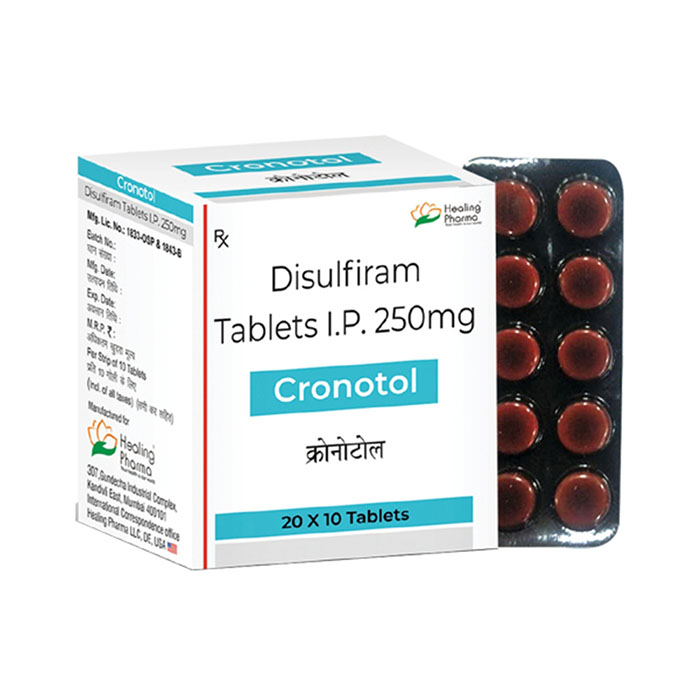
The drug is not a medication that removes every craving or resolves the emotional reasons a person drinks. Its purpose is deterrence. For someone who is committed to abstinence but repeatedly makes an impulsive decision to drink, the known risk of a reaction can create a decisive pause.
That pause matters, but it works best alongside treatment that addresses habits, stress, family conflict, anxiety, triggers, and the routines that keep alcohol use in place. A deterrent can support recovery. It should not be treated as recovery by itself.
Esperal implant vs Antabuse pills: the practical difference
Antabuse is a brand name for oral disulfiram. A person takes pills on a prescribed schedule, usually under the direction of a qualified medical provider. The central advantage is flexibility. The dose can be adjusted, paused, or discontinued when medically appropriate. A provider can monitor side effects and make changes without a procedure.
An Esperal implant, sometimes described as a disulfiram implant, is intended to place disulfiram-containing material beneath the skin so it releases over an extended period. The appeal is clear: a person does not have to remember a daily pill, and they cannot simply skip a dose on a difficult day. For individuals whose relapse pattern starts with stopping their medication, that added structure may sound compelling.

The trade-off is equally clear. An implant is a procedure, not simply a prescription. It may involve incision-related risks such as pain, infection, scarring, wound problems, or the need for removal. Once placed, it is not as straightforward to change course as it is with an oral medication.
There is another major consideration for U.S. patients: Esperal and similar implant formulations are not the same as FDA-approved oral disulfiram products in the United States. Availability, product quality, regulations, and clinical practices can vary widely. Anyone considering an implant should ask direct questions about what product is being used, who is performing the procedure, what evidence supports its expected duration, and how complications will be handled.
Why daily pills work for some people and fail for others
Oral Antabuse pills can be effective when adherence is strong. Some people take them as part of a carefully planned routine, often with a spouse, family member, or trusted support person involved. Supervised dosing can reduce the temptation to skip pills and can turn medication into one visible part of a larger commitment to sobriety.
For others, the daily decision becomes the weakness. They may stop taking the medication before a social event, during a stressful period, or when they begin bargaining with themselves about “just one drink.” In that situation, the medication was never the problem. The gap was the lack of a reliable structure around it.
Pills may be the more appropriate route when a person wants medical flexibility, has uncertain tolerance of the medication, has changing health needs, or is willing to use accountability consistently. They are also the more established option in standard U.S. medical practice.
When an implant may appeal to someone seeking stronger structure
An implant can appeal to someone who is exhausted by the cycle of taking action, feeling better, then abandoning the plan when cravings or pressure return. The procedure can feel like a concrete line in the sand. For some people, that symbolism creates a serious psychological commitment to abstinence.
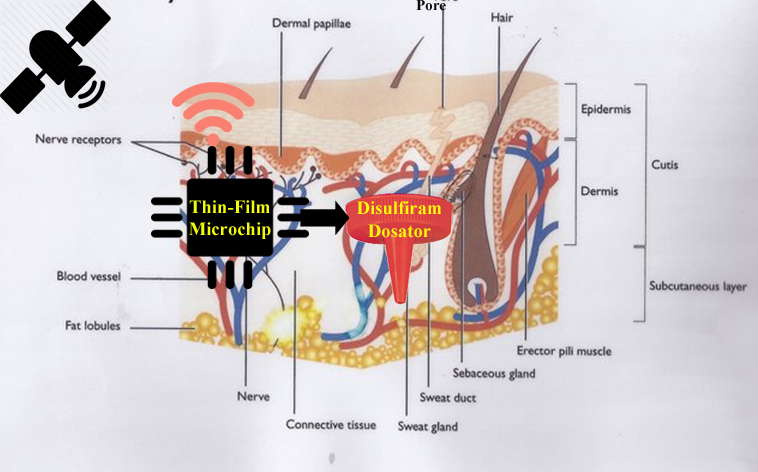
Still, an implant should not be presented as a guaranteed solution or a substitute for clinical judgment. The duration of effect can be uncertain, and published evidence on implanted disulfiram has been less consistent than many promotional claims suggest. A person should not assume they are protected for a specific number of months unless the treating clinician can explain the basis for that expectation.
It also does not eliminate the need to avoid all sources of alcohol. Alcohol may be present in mouthwash, cough products, cooking extracts, sauces, cologne, hand sanitizers, and other everyday items. A clinician can provide clear guidance on what to avoid and what symptoms require immediate care.
Medical screening cannot be skipped.
Whether a person is considering pills or an implant, disulfiram requires a real medical evaluation. It is not appropriate for everyone. A provider needs to review current alcohol use, medical history, psychiatric symptoms, liver function, heart conditions, medications, and any prior reaction to disulfiram.
A person must also be fully alcohol-free before starting, according to the prescriber’s instructions. Taking disulfiram while alcohol is still in the body can trigger the very reaction the medication is intended to deter. This is one reason self-directed treatment is risky.
Honesty during screening protects the patient. Someone who has been drinking heavily, has experienced withdrawal symptoms, or has serious medical concerns may need a different level of assessment and stabilization before a deterrent treatment is considered. There is no benefit in rushing past the part of the process that keeps treatment safe.
The question beneath the medication choice: Esperal Implant vs. Antabuse Pills
The most useful consultation does not begin and end with, “Which option lasts longer?” It asks what happens in the hours before a person drinks. Is it loneliness after work? A conflict at home? A court-related consequence that has created pressure but not yet changed behavior? Is it a craving, a place, a friend group, or the belief that alcohol is the only way to calm down?
Those answers shape treatment. Hypnosis may help some people interrupt automatic thought patterns and strengthen their commitment to a specific goal. Auricular acupuncture using the NADA protocol may be used as a complementary approach to help people settle into treatment and manage stress. Focused counseling and structured accountability can identify the situations where a relapse decision is most likely to occur.
At Philadelphia Addiction Center, alcohol-focused intervention is approached as a personalized process, not a one-size-fits-all promise. The goal is to build enough structure around the person that abstinence becomes a practical decision they can keep making, especially when life becomes difficult.
Questions to ask before choosing a deterrent treatment
Before committing to either approach, ask the provider whether oral disulfiram is medically appropriate, what monitoring will be needed, and what happens if side effects occur. If discussing an implant, ask whether the product and procedure are legally available in your location, who performs it, how removal is managed, and what research supports the claimed duration.
Also ask a more personal question: what will support you when the medication is not enough? A strong plan may include scheduled treatment sessions, a sober support person, trigger planning, alcohol-free routines, and a clear response plan for cravings or a lapse.
No treatment can make the decision for you forever. But the right intervention can make the next right decision more immediate, more supported, and much harder to abandon when alcohol starts demanding attention.
Philadelphia Addiction Center is the #1 Outpatient Treatment Facility and the Home for Esperal Implant
While alcoholism treatment centers are in almost every state of the US, not all of them can prove a high success rate in the treatment of alcohol abuse. Philadelphia Addiction Center, the subdivision of the Philadelphia Holistic Clinic, is known as the home for the “Esperal Implant” on the East Coast of the USA. The success rate of the treatment provided at the center is way above average in the industry.
For more information about Esperal treatment for alcohol abuse, contact the Philadelphia Addiction Center at (267) 403-3085