Gambling Addiction
A gambling problem rarely looks dramatic at first. It often starts as private damage—hidden debt, lies about where the money went, missed bills, panic, and the constant promise that the next bet will fix the last one. Therapy techniques for gambling addiction are designed to interrupt that cycle quickly, not just talk about it while the consequences keep growing.
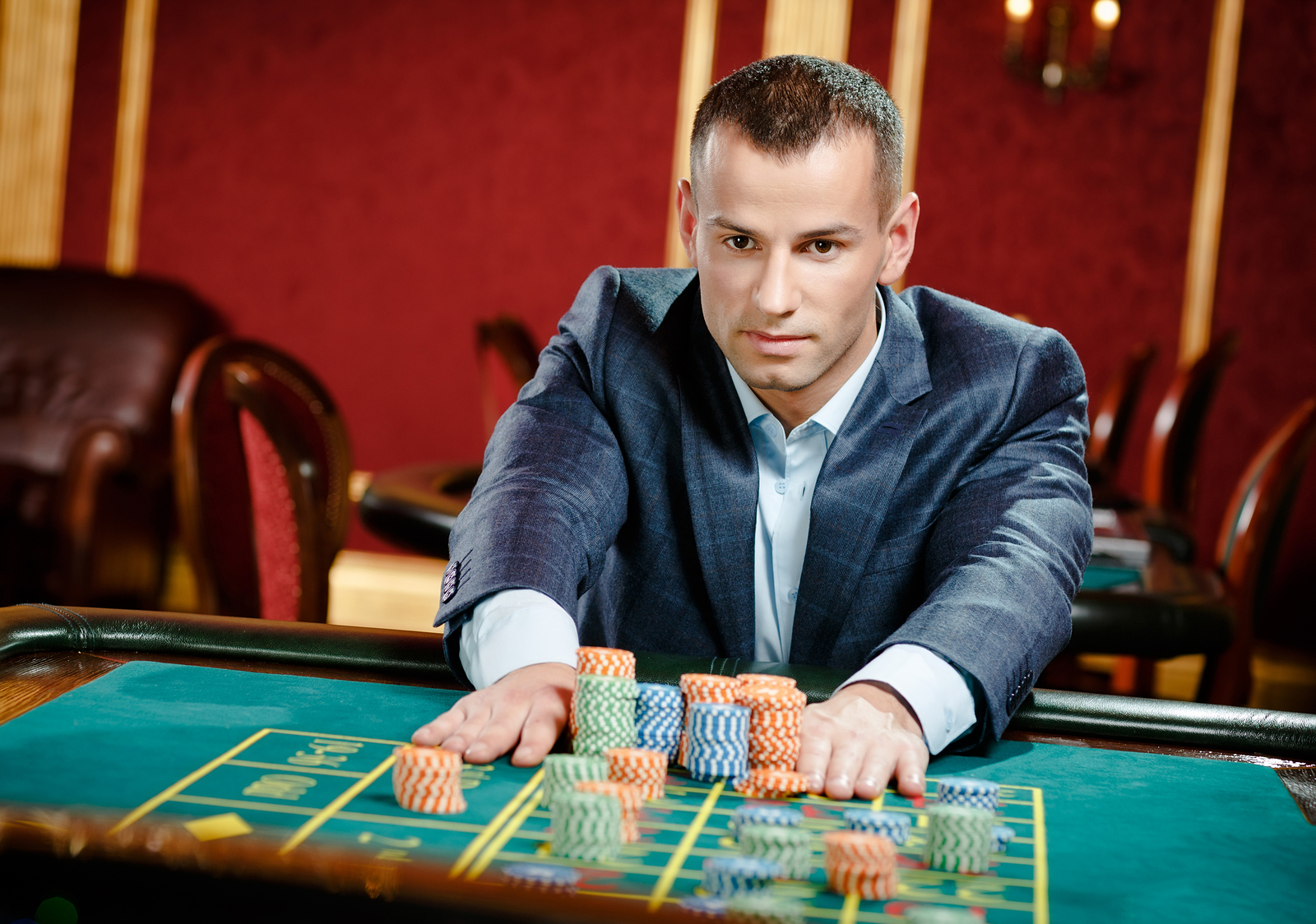
Why gambling addiction therapy techniques matter
People who struggle with compulsive gambling are often told to just stop, hand over their cards, or stay away from casinos and betting apps. Those steps can help, but they do not constitute treatment on their own. If the underlying triggers stay active, the urge simply looks for another opening. 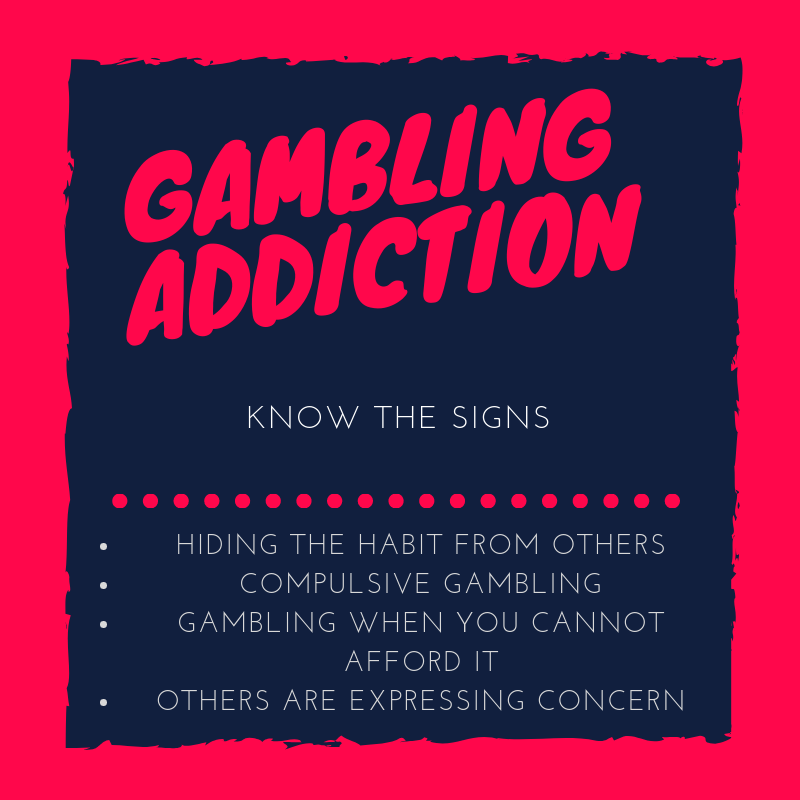
Real therapy works by identifying what gambling has been doing for you psychologically. For one person, it is an escape from stress. For another, it is the rush, the fantasy of relief, or the need to recover losses. Occasionally it is tied to loneliness, anger, shame, or a pattern of chasing control when life feels unstable. The right treatment plan has to address those drivers directly.
That is also why a one-size-fits-all rehab model does not always fit gambling behavior. Some people need a highly focused outpatient approach with privacy, structure, and specialized methods that can reduce cravings and increase control without stepping away from work or family responsibilities.
The most effective gambling addiction therapy techniques
The strongest treatment plans usually combine behavioral therapy with supportive interventions that calm the nervous system and reduce compulsive drive. The goal is not just abstinence for a week. The goal is to make gambling feel less automatic, less rewarding, and less powerful over time.
Cognitive behavioral therapy for gambling patterns
Cognitive behavioral therapy is one of the most established approaches for gambling addiction because it addresses the thoughts and habits that keep betting in motion. Many gamblers carry distorted beliefs that feel rational in the moment. They may believe they are due for a win, that skill can override chance, or that one more attempt will erase mounting losses.
Therapy challenges those thinking errors and replaces them with more accurate patterns. Just as important, it helps people identify the moments that lead to gambling—boredom after work, stress after an argument, payday, isolation, or exposure to certain apps and environments. Once those patterns are visible, they can be disrupted.
CBT is practical. It does not stay vague. It asks what happened before the urge, what story your mind told you, what action followed, and what consequence came next. That level of clarity matters because gambling thrives in denial and impulsivity.
Hypnotherapy to target urges and automatic behavior
For many people, gambling has an automatic quality. The behavior happens fast, often before they have fully processed the decision. Hypnotherapy can be useful in these cases because it works at the level of conditioned response, internal motivation, and repetitive thought patterns.
In a clinical setting, hypnosis is not about losing control. It is about focused attention and therapeutic suggestion. A skilled provider can help a person weaken the emotional pull of gambling triggers, strengthen aversion to destructive behaviors, and reinforce a calmer, more deliberate response when cravings appear.
This approach can be especially appealing for individuals who feel stuck in the same cycle despite understanding the risks. Insight alone does not always stop the behavior. Hypnotherapy aims to shift the underlying pattern so the urge loses intensity and the person feels less driven to act on it.
Auricular acupuncture and the NADA protocol
Some gambling relapses are not just about temptation. They are about agitation, anxiety, restlessness, irritability, and a nervous system that is constantly looking for relief. Auricular acupuncture, including the NADA protocol, is often used as a supportive treatment to reduce stress and improve emotional regulation.
This method focuses on specific points in the ear associated with calming the body and supporting recovery. It is not a stand-alone cure, and it should not be presented that way. What it can do is make treatment more tolerable and improve a person’s ability to sit with discomfort without escaping into gambling.
That trade-off matters. When someone feels less overwhelmed, they are better able to engage in therapy, think clearly, and follow through with behavior changes. Complementary methods can be valuable when they are integrated into a broader treatment plan rather than used as a substitute for one.
Treatment works best when it is personalized
Two people can both have serious gambling problems and need very different interventions. One may respond quickly to cognitive restructuring and accountability. Another may have intense anxiety, secrecy, and relapse patterns that call for hypnosis and calming therapies alongside structured counseling.
That is why assessment matters. A skilled provider looks at frequency of gambling, financial damage, emotional triggers, family strain, work consequences, past quit attempts, and what usually happens right before a relapse. Treatment should fit the person, not force them into a generic program.
At Philadelphia Addiction Center, that personalized model is central. Some clients want a direct, action-focused plan with nontraditional support because standard approaches have not worked for them. Others want privacy and a local outpatient option that feels serious without being institutional. Both needs are valid, and both can be met with targeted care.
What happens during gambling addiction treatment
Many people delay treatment because they expect judgment, lectures, or a long, vague process. In reality, effective care is much more direct. Early sessions are focused on stabilization. That means identifying immediate risks, setting clear behavior limits, and interrupting the routines that make gambling easy.
From there, therapy begins to rebuild control. You learn how to recognize urges earlier, respond differently to stress, and remove the false logic that fuels chasing losses. If hypnosis or auricular acupuncture is part of the plan, those methods are used to reduce compulsive intensity and support emotional steadiness.
There is also a practical side that should not be ignored. Recovery from gambling often involves financial boundaries, accountability systems, and changes to daily structure. Therapy is not only about what happens in the office. It is about what changes when you leave it.
When urgent intervention is the right move
There is a point where education is no longer enough. If gambling is causing debt, hidden behavior, relationship breakdown, missed responsibilities, or repeated promises to quit that do not last, the problem is already established. Waiting for a bigger crisis usually makes treatment harder, not easier.
Urgent intervention does not mean panic. It means acting while the person is still reachable and the damage is still manageable. The earlier treatment begins, the easier it is to interrupt the cycle before shame and financial consequences become even more severe.
This is especially true for people who keep relapsing after only short periods of control. That pattern usually signals that the current strategy is too weak for the level of compulsion involved. More structure and more specialized therapy are often needed.
Choosing the right approach in Philadelphia
If you are looking for therapy techniques for gambling addiction, the main question is not which method sounds impressive. The real question is which combination of methods can help you stop the behavior, reduce the urge to return to it, and maintain that progress under stress.
For some people, traditional talk therapy alone is enough. For others, it is not. That is where focused outpatient treatment, hypnotherapy, and supportive holistic methods can make a real difference. The best approach is the one that addresses both the behavior and the internal pressure behind it.
You do not need more promises to yourself. You need a treatment plan that meets the problem at the level where it actually operates. Once that happens, change stops feeling theoretical and starts becoming practical.
If gambling has been controlling your decisions, finances, or peace of mind, the next step should be simple: get targeted help before the habit asks for another costly chance.
Gambling Addiction Therapy Techniques. Hypnotherapist near me
Now that you know the best approaches to gambling addiction, you need to find a hypnotherapist who is professional enough to handle your medical condition. When you are looking for a hypnotherapist near me to treat medical conditions (depression, anxiety, insomnia, fears, etc.), you must find not only a skilled hypnotist but also the best hypnotist in your area. Please keep in mind that a good hypnotherapist is a medical doctor who understands the mechanisms of medical conditions and knows how to apply hypnotic treatment. At the Philadelphia Hypnotherapy Clinic, internationally recognized hypnotherapist Medical Doctor Victor Tsan treats patients with various medical conditions. As a physician, he also combines clinical hypnosis therapy with homeopathic medicines and acupuncture, thus significantly increasing the treatment success rate. Contact our clinic at 267-403-3085 or use our online scheduling system.