Gambling Addiction: Disease or Choic
A person can hold a job, pay the mortgage, and still be losing control the moment a bet becomes available. That is why the question, “Is gambling addiction a mental illness?” matters more than most people realize. Many adults dismiss gambling problems as poor choices, weak discipline, or a money issue. In clinical practice, that view misses what is actually happening.
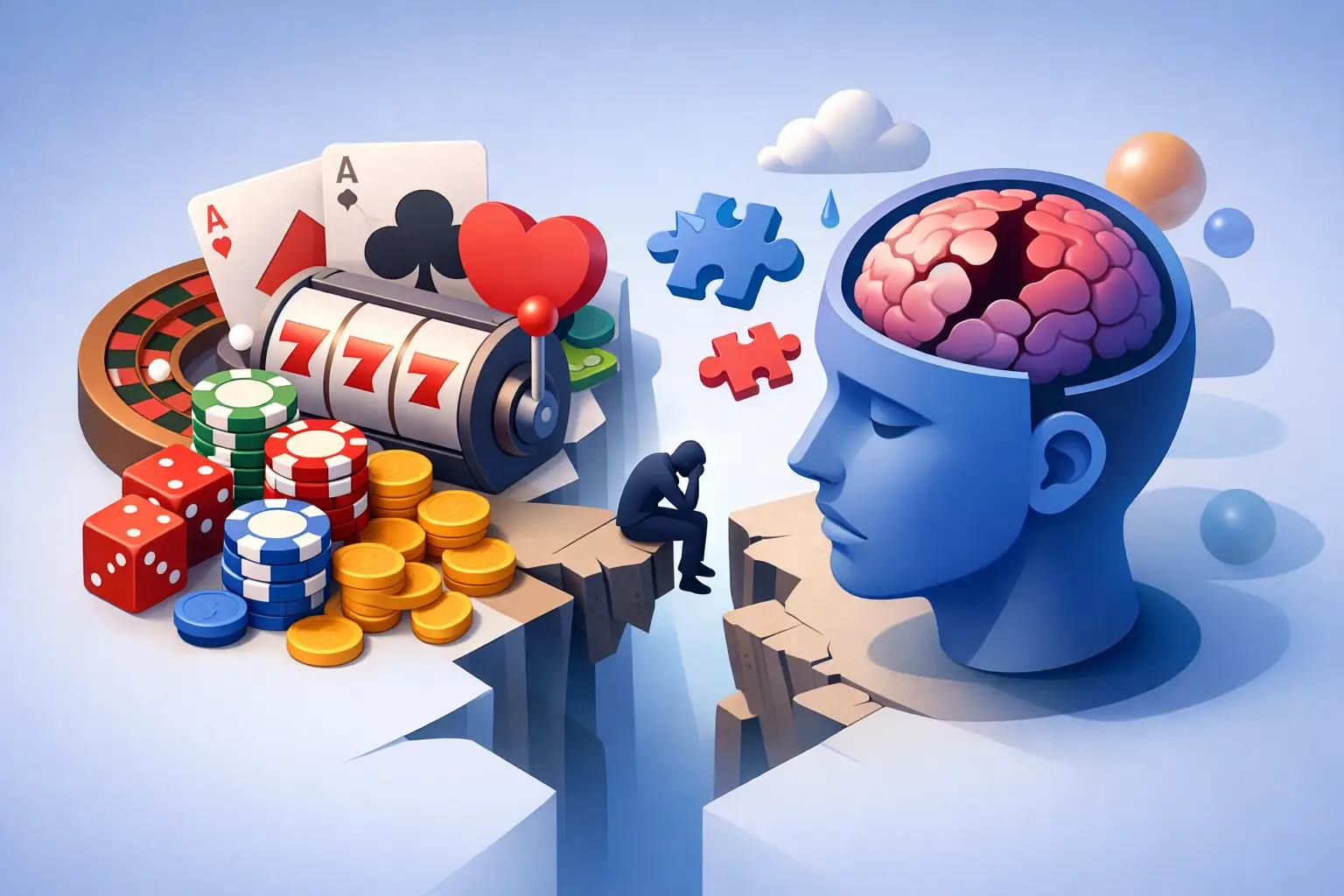
Is gambling addiction a mental illness in clinical terms?
Yes. Gambling addiction is recognized as a mental health disorder. Clinicians often refer to it as gambling disorder, a condition marked by repeated, hard-to-control gambling behavior that continues despite financial, emotional, legal, or relationship damage.
That distinction matters. When a behavior keeps escalating even after serious consequences, it is no longer just a habit. It is a pattern involving compulsion, impaired control, cravings, and continued behavior despite harm. Those are features clinicians take seriously because they  show that the problem is not simply about willpower.
Many people delay treatment because they tell themselves, “I should be able to stop.” Family members often say the same thing. But if someone has made repeated promises, hidden losses, borrowed money, chased losses, or felt unable to function without the next bet, the issue has moved into mental health territory.
Why gambling addiction is treated like a real behavioral disorder
Gambling disorder affects the brain’s reward system in ways that can look very similar to other compulsive conditions. The anticipation of a win, the thrill of risk, and the temporary escape from stress can create a strong cycle of reinforcement. Even losing can intensify the behavior because the person starts chasing relief, redemption, or the fantasy of getting everything back in one lucky moment.
This is one reason smart, capable adults can stay trapped in gambling for years. The problem is not a lack of intelligence. It is a repeated behavioral loop that overrides judgment under pressure. A person may know the odds are unfavorable and still feel pulled to continue.
There is also often an emotional component. Some people gamble when they feel bored, anxious, ashamed, lonely, or overwhelmed. Others use it as a way to shut off racing thoughts for a few hours. That does not mean every person with a gambling problem has the same underlying issues, but it does mean treatment must address more than just the bets.
Gambling addiction is not only about money
Money is usually the visible crisis, but it is often only part of the disorder. Gambling addiction also damages trust, sleep, concentration, mood, work performance, and family stability. Many people become secretive, irritable, or emotionally unavailable long before the financial picture becomes obvious.
That is why waiting for “rock bottom” is a mistake. If gambling is already taking over your thinking, affecting your daily routine, or creating repeated conflict, the disorder is active whether the bank account has collapsed yet or not.
Common signs that gambling has become a mental health issue
People do not always recognize the tipping point. Some are still functioning outwardly while privately living in chaos. Others think they only have a problem because they are under stress and will stop once life calms down. In reality, stress often becomes part of the cycle.
A gambling problem may be a mental health disorder when someone keeps trying to cut back and fails, becomes restless or agitated when not gambling, lies about the extent of their betting, spends increasing amounts of money to feel the same rush, or keeps gambling to recover losses. It can also show up as neglecting responsibilities, withdrawing from loved ones, or using gambling to escape painful feelings.
Not every warning sign appears at once. Some people slide into severe patterns gradually. Others spiral quickly after online betting, casino gambling, sports betting, or another form of easy access starts taking over their time and attention.
Is gambling addiction a mental illness or a choice?
This is where people often get stuck. The honest answer is that it starts with choices, but once the disorder takes hold, choice becomes impaired. That does not remove personal responsibility, but it does explain why people keep repeating behavior that clearly harms them.
That difference is important in treatment. Shame alone does not stop compulsive gambling. Fear does not reliably stop it either. Many people have lost money, relationships, and peace of mind and still kept going. Effective care has to interrupt the cycle at both the behavioral and emotional levels.
If someone is waiting to “want it enough,” they may wait far too long. Many people enter treatment not because they feel fully ready, but because they are finally tired of the damage and know they need structured help.
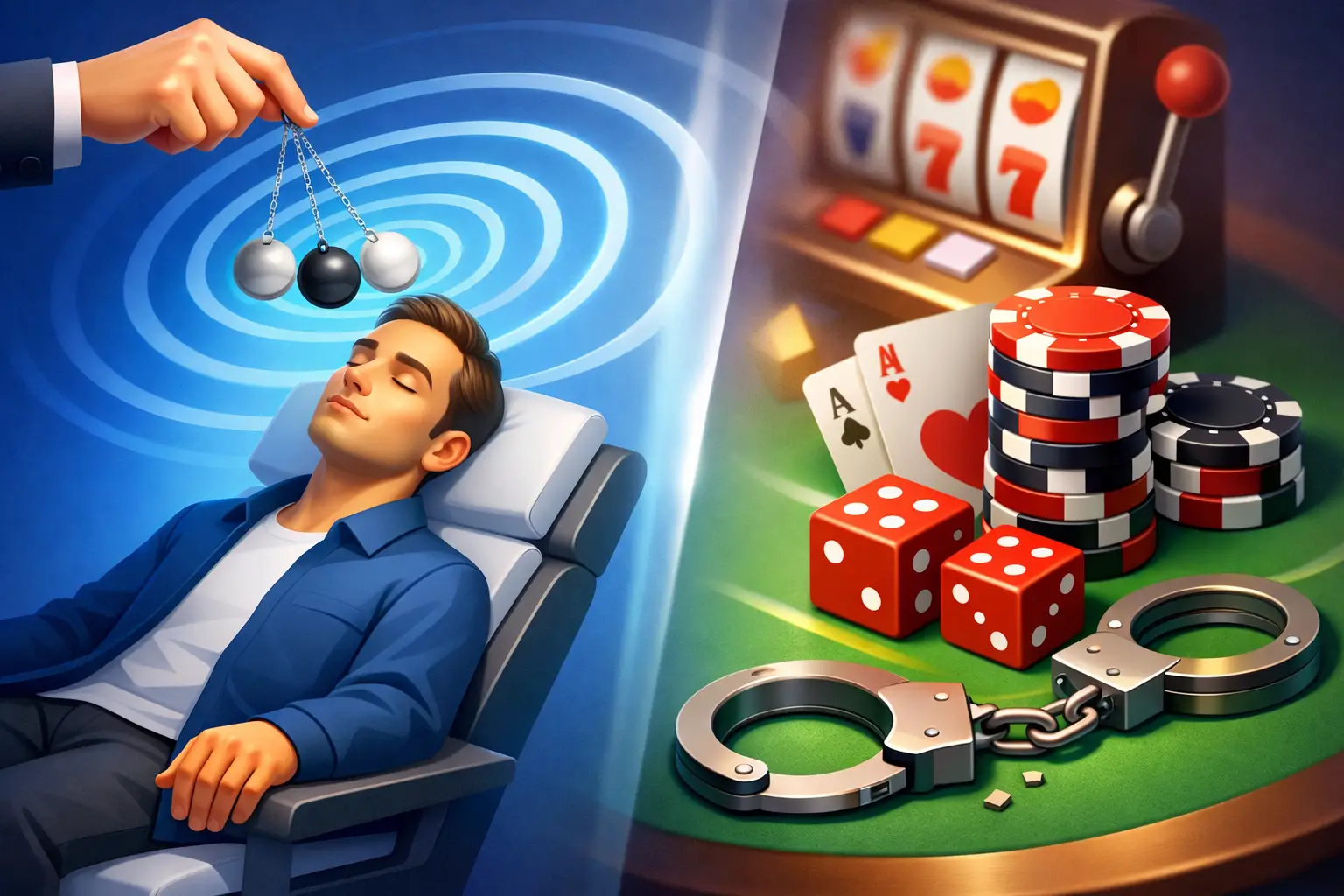
What can happen if gambling addiction goes untreated?
Untreated gambling addiction rarely stays contained. Financial pressure tends to spread into every part of life. Credit cards max out, savings vanish, bills go unpaid, and family members grow suspicious. For some people, legal problems or workplace consequences follow.
The emotional toll can be just as severe. Anxiety rises. Depression can deepen. Sleep becomes poor. The person may become preoccupied, distracted, and emotionally volatile. Relationships often shift from trust to monitoring, and then from monitoring to a constant crisis.
Many people keep hoping that one big win will fix the problem. In treatment, we see the opposite. The hope of rescue is often what keeps the disorder alive.
How treatment works when gambling is the problem
Because gambling addiction is a mental illness, treatment should be targeted and intentional. General advice such as “just stop going” is usually too weak for a disorder built on compulsion, secrecy, and repeated relapse.
A stronger approach focuses on identifying triggers, disrupting cravings, changing the behavior pattern, and addressing the emotional drivers that keep the cycle going. For some people, that means learning how to tolerate stress without gambling. For others, it means breaking the association between gambling and relief, excitement, or escape.
At Philadelphia Addiction Center, treatment is built around individualized care rather than a one-size-fits-all rehab model. That is relevant for gambling addiction because different people relapse for different reasons. One person may be driven by anxiety and impulsivity. Another may be caught in a ritualized habit tied to sports, casinos, or online access. Another person may be using gambling as an emotional anesthetic after repeatedly failing to stop on their own.
Why holistic treatment can help
Many adults searching for help do not want an institutional setting or a medication-heavy process. They want privacy, direct intervention, and a treatment plan that addresses both the urge and the nervous system behind it.
That is where holistic care can be useful. Methods such as hypnotherapy and auricular acupuncture may help reduce agitation, calm stress responses, and support behavioral change when used within a structured treatment plan. These approaches are not magic, and they are not replacements for accountability. But for the right person, they can make treatment more tolerable and more effective, especially when previous attempts have failed.
The key is to match the method to the person. Some patients respond well to repetitive behavioral strategies. Others need a more intensive reset that helps lower the internal pressure driving the urge to gamble. Effective treatment is not about forcing everyone through the same program. It is about identifying what will actually interrupt the cycle.
When to seek help for gambling addiction?
The right time to seek help is earlier than most people think. You do not need to be bankrupt, divorced, or in court to qualify for treatment. If gambling is causing secrecy, repeated loss of control, financial strain, relationship damage, or emotional instability, that is enough reason to act.
It is also time to get help if you have stopped trusting your promises. That is often the clearest sign that the problem has moved beyond self-management. When you keep setting limits and then breaking them, the issue is not a lack of insight. It is that the pattern is stronger than the strategy you have been using.
There is no benefit in arguing with the diagnosis while the damage continues. Whether you call it gambling addiction, compulsive gambling, or gambling disorder, the practical question is the same: is this behavior taking over your life faster than you can control it? If the answer is yes, waiting usually makes treatment harder, not easier.
A useful next step is simple. Stop treating the problem like a character flaw and start treating it like a condition that responds to focused care. That shift is often where real recovery begins.
Philadelphia Addiction Center is the #1 outpatient treatment facility for gambling addiction
While addiction treatment centers are in almost every state of the US, not all of them can prove a high success rate in the treatment of gambling addiction. Philadelphia Addiction Center, the subdivision of the Philadelphia Holistic Clinic, is known as one of the best addiction centers on the East Coast of the USA. The success rate of the treatment provided at the center is way above average in the industry.
For more information about Esperal treatment for alcohol abuse, contact Philadelphia Addiction Center at (267) 403-3085