Regaining Confidence
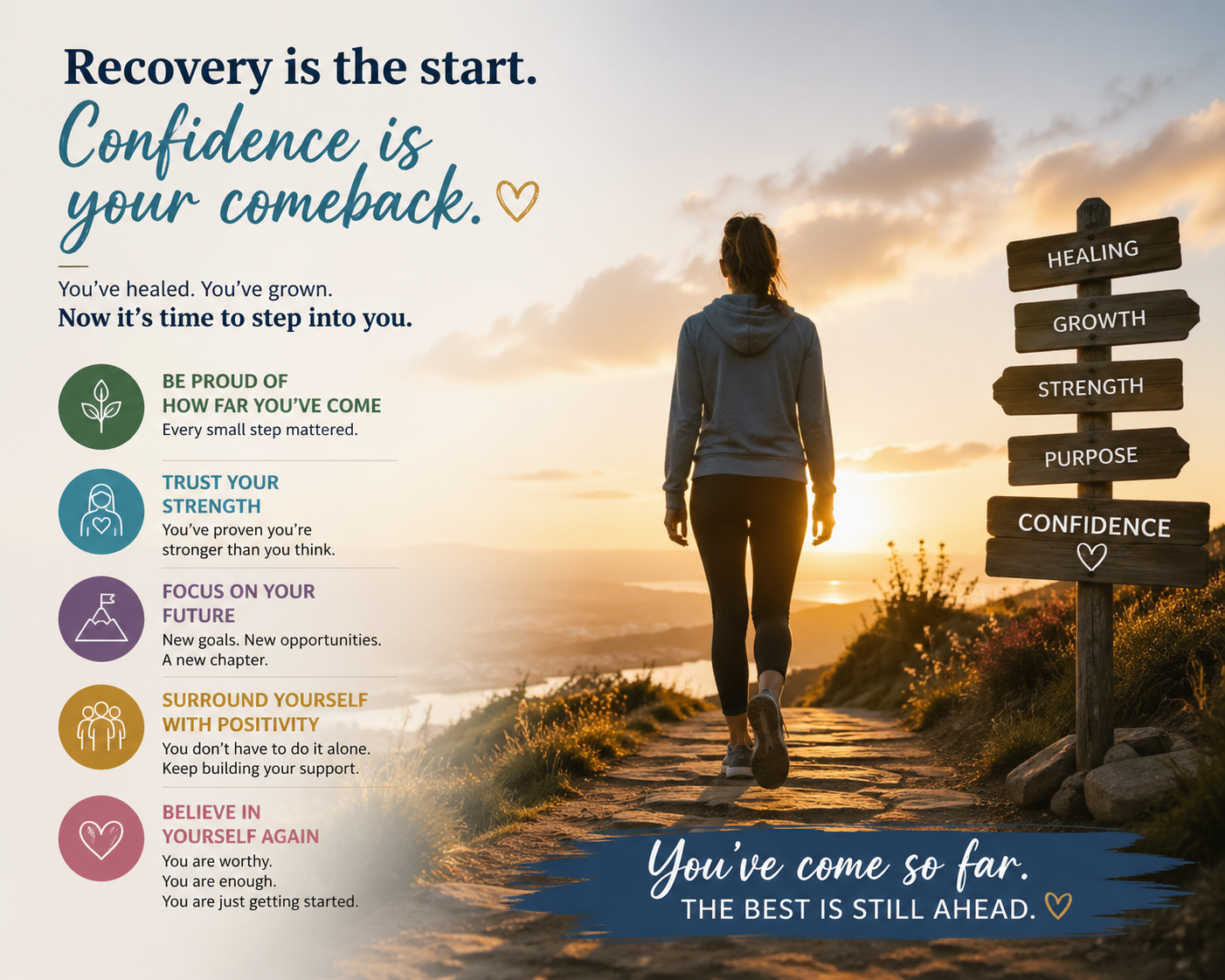
Regaining confidence and rebuilding independence after addiction treatment are some of the most important phases of recovery. For people who have just completed addiction treatment, the shift from structured care back to daily life can feel overwhelming. Recovery is not just about staying sober; it also involves learning (or relearning) to manage ordinary life responsibilities with confidence and stability.
When daily routines feel manageable, regaining confidence is easier. When confidence grows, long-term recovery becomes more sustainable.
A Quick Overview
If you’ve recently completed treatment, here’s the core idea:
● Independence is built through small, practical skills.
● Stability at home reduces stress and emotional triggers.
● Routine responsibilities create structure and accountability.
● Regaining confidence becomes the most important step of complete recovery.
● Confidence grows when you prove to yourself that you can handle daily life.
You don’t need to master everything at once. You just need to start.
Why Everyday Competence Matters in Regaining Confidence after Recovery
Addiction often disrupts basic life structures. Bills may have gone unpaid. Living spaces may have become disorganized. Meals may have been irregular. Responsibilities may have felt impossible to manage. Recovery changes that.

Problem: A lack of daily structure increases stress and can make old coping habits feel tempting. Solution: Build practical life skills that support order, predictability, and self-trust. Result: A stable environment that reinforces sobriety and personal responsibility.
When your living space is clean, your meals are consistent, and your responsibilities are handled, you send yourself a powerful message: I can take care of my life.
Building a Stable Living Environment while Regaining Confidence
Reclaiming independence includes learning how to maintain a safe, functional home. Addressing everyday issues—like dripping faucets, loose fixtures, or unreliable water flow—can dramatically reduce daily frustration. Taking ownership of these repairs reinforces responsibility and helps create a predictable routine. When essential systems are working properly, your environment supports recovery instead of adding stress.
If you’re handling repairs yourself, having access to dependable plumbing supplies makes the process easier and more manageable; read up on common parts and their uses for more information. Keeping your home in working order is not just about comfort. It’s about stability, self-sufficiency, and building trust in your ability to solve problems calmly and effectively.
Practical Life Skills That Strengthen the Regaining Confidence Process
Here are core areas to focus on as you rebuild independence: ● Household organization – Declutter each room, create designated spaces, and maintain simple cleaning routines. ● Meal preparation—Plan balanced meals, grocery shop intentionally, and cook simple dishes.
● Basic maintenance – Learn to handle small repairs and know when to call a professional. ● Financial basics—Pay bills on time, track spending, set up reminders.
● Daily scheduling – Maintain consistent wake-up, work, meal, and sleep times.
Each of these skills builds predictability. Predictability reduces chaos. Less chaos means fewer emotional spikes that can threaten sobriety.
How to Create a Simple Daily Structure that will help in Regaining Confidence
Consistency is powerful. Try this step-by-step checklist:
Daily Stability Checklist
1. Make your bed every morning.
2. Wash dishes or load the dishwasher after meals.
3. Spend 10–15 minutes tidying shared spaces.
4. Prepare meals at consistent times.
5. Review your schedule for the next day before bed.
6. Set a regular bedtime.
These actions may seem small, but they create visible progress. Visible progress builds confidence.
Household Competence and Emotional Confidence
Confidence rarely returns overnight. It rebuilds through evidence. Every completed task becomes proof that you are capable.
Skill Area: Immediate Benefit Long-Term Impact on Recovery
Cleaning & Organization Reduced stress and distraction Greater emotional regulation
Cooking at Home: Better nutrition & budgeting Improved physical and mental health
Basic Repairs Problem-solving confidence Increased self-reliance
Bill Management: Financial stability Reduced anxiety triggers
Routine Scheduling Predictable structure Lower relapse risk
Notice how each practical skill connects directly to recovery stability. This is not accidental. Stability supports sobriety.
Frequently Asked Questions

Q. How soon should I start rebuilding life skills after treatment?
As soon as you feel ready. Start small. Even organizing one drawer or cooking one meal per week can begin the process.
Q. What if I never learned these skills before?
Many people didn’t. You can learn gradually. Community classes, online tutorials, and supportive friends can help you develop new abilities at your pace.
Q. What if I feel overwhelmed? Break tasks into smaller steps. Instead of “clean the house,” try “wipe down kitchen counters.” Small wins build momentum.
Q. Can structure really help prevent relapse?
Yes. Structure reduces idle time, stress, and unpredictability—common triggers in early recovery. Routine provides grounding.
A Helpful Skill-Building Resource If you’d like structured guidance on rebuilding life skills, the nonprofit organization SMART Recovery offers tools and educational materials that support practical self-management and personal growth.
SMART Recovery focuses on self-empowerment, coping strategies, and building a balanced life—all of which complement the practical skills discussed here.
The Deeper Meaning of Independence and Regaining Confidence
Rebuilding independence and regaining confidence after addiction treatment is not about perfection. It’s about participation. Every time you cook a meal, fix a leak, clean a room, or pay a bill, you reinforce a new identity—someone capable, responsible, and dependable.
You are not just maintaining a household. You are building a life.
Independence grows through everyday action. Managing your home, preparing meals, and maintaining routines are not minor details—they are foundations for long-term recovery. Each completed task strengthens your regaining confidence process and reinforces responsibility. Over time, these small competencies create a stable environment where sobriety can take root and thrive.
For questions and details, contact our center at (267) 403-3085