Alcohol Abuse Classes
You can enroll in alcohol abuse classes that teach coping skills, relapse prevention, and medical considerations to support recovery. These programs, offered in person and online, help you assess your risk, develop a personalized plan, and connect you with treatment resources and community support. Search “Alcohol Abuse Classes near me” to compare formats, duration, credentials, and accessibility before choosing a program.
Key Takeaways:
- These programs are structured, teaching coping skills and relapse-prevention strategies and providing information about alcohol-related health risks.
- Appropriate for people with mild-to-moderate alcohol use disorder and for family members seeking support and education.
- Offered in group or individual formats, in person or online; some are voluntary, while others are court-ordered.
- Duration varies from single brief interventions to multi-week or ongoing courses; higher intensity generally yields better outcomes.
- These programs are often combined with counseling, medical care, and medication-assisted treatment to enhance their effectiveness.
- Find local classes through health departments, addiction treatment centers, primary care referrals, community organizations, or an “Alcohol Abuse Classes near me” online search.
- Costs range from free to private-pay; check insurance coverage, sliding-scale fees, and confidentiality policies before enrolling.
Understanding Alcohol Abuse

Definition of Alcohol Abuse
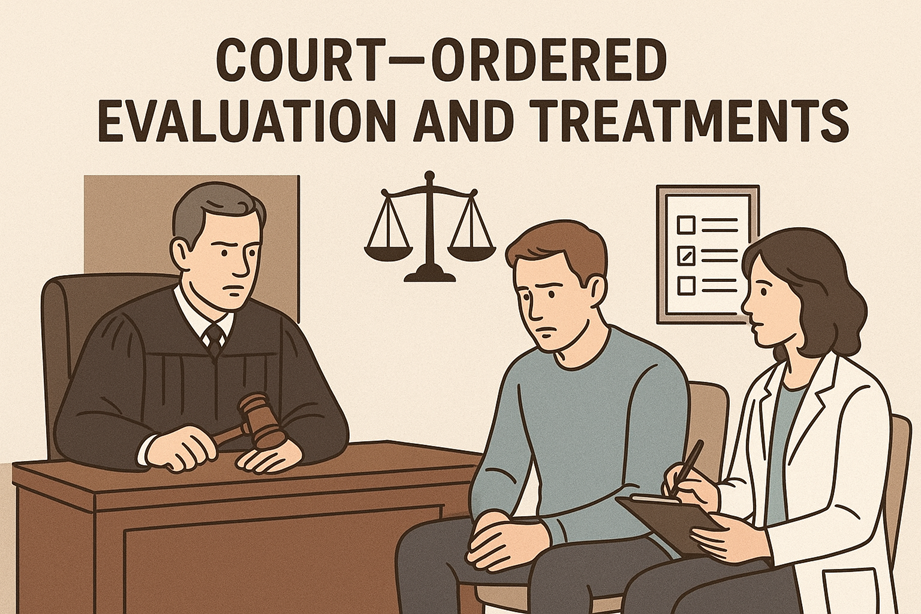
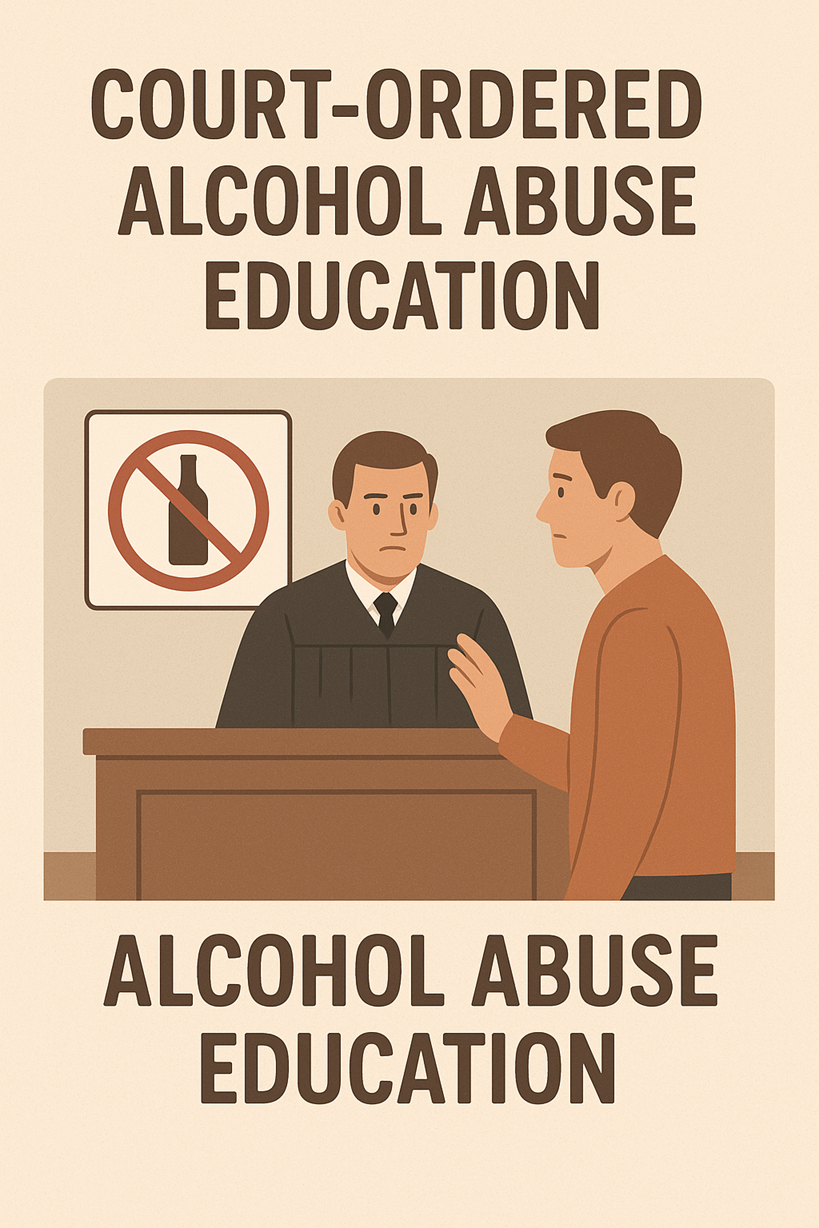
Alcohol abuse is clinically framed as alcohol use disorder (AUD) in DSM‑5: you meet diagnostic criteria when 2+ symptoms occur within 12 months—2-3 is mild, 4-5 moderate, and 6+ severe. You might notice continued drinking despite social, legal, or health consequences. Courts and employers often require alcohol addiction classes, so searching “Alcohol Abuse Classes near me” can identify local education or treatment options tied to legal diversion or workplace programs.
Signs and Symptoms
Signs include increased tolerance (needing more alcohol) and withdrawal symptoms 6-24 hours after stopping, such as anxiety, tremor, and sweating, and in severe cases, seizures 24-72 hours later. You may experience blackouts, morning drinking, neglect of responsibilities, risky behaviors, and repeated legal issues like DUI; frequent absenteeism or daily drinking are strong red flags indicating escalation.
Validated screens help quantify risk: the AUDIT is 10 questions with a score ≥8 indicating hazardous drinking, and a CAGE score ≥2 flags probable problem drinking. When you search “Alcohol Abuse Classes near me,” many providers use these tools and offer 8-12 week courses; attending structured alcohol addiction classes improves engagement and reduces relapse risk in follow-up outcomes.
Importance of Alcohol Abuse Classes
You gain structured, practical steps that complement any outpatient or court-ordered plan: typical programs run 8-12 weeks with weekly 60-90 minute sessions and group sizes of 6-12 to maximize interaction. By attending classes you access CBT techniques, motivational interviewing, and local referral networks that help you move from short-term abstinence toward sustained behavior change while making it easier to find “Alcohol Abuse Classes near me” that fit your schedule and legal needs.
Benefits of Attending Alcohol Addiction Classes
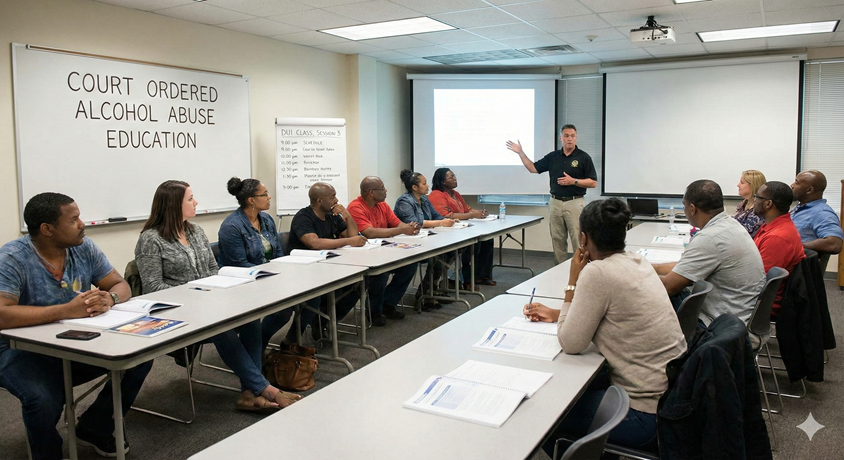
You build concrete skills—trigger identification, coping strategies, and relapse plans—while getting measurable support; brief interventions have been shown to reduce drinking by roughly 10-30% in primary-care studies (NIAAA). EmEmployers and courts often accept the completion of these classes as a form of compliance, and participants can expect to receive peer feedback, complete homework such as daily drinking logs, and use tools to track their progress, all of which improve retention and accountability.
Impact of Alcohol Addiction Education on Recovery
You experience reduced relapse risk because classes combine skills training with social accountability; randomized trials and program evaluations consistently report better outcomes when classes are paired with counseling or medication management. FoFor many people, completing an 8–12-week course is associated with fewer heavy drinking days and greater engagement in ongoing supports, such as support groups or outpatient therapy.
You also benefit from concrete recovery practices taught in class: role-played refusal skills, personalized relapse-prevention plans, and use of apps or daily diaries to monitor cravings. Coordinating classes with pharmacotherapy, such as naltrexone or acamprosate when prescribed, along with consistent attendance at weekly sessions, increases your chances of maintaining gains; case examples show that participants who continue with booster sessions experience longer periods of sobriety compared to those who stop after the initial coursework.
Types of Classes
You will encounter several types of classes that cater to various legal, clinical, and scheduling needs, including educational or court-ordered sessions, outpatient group therapy, intensive outpatient programs (IOP), residential treatment, and online or self-paced courses; many local providers list “Alcohol Abuse Classes near me” along with details on duration and cost.
- Educational/court-ordered classes
- Outpatient group therapy
- Intensive outpatient programs (IOP)
- Residential (inpatient) treatment
- Online / self-paced courses
| Class Type | Format / Typical Duration |
| Educational / Court-ordered | Often 6-12 hours total, single-day or weekly 1-3 hour sessions; certificates issued |
| Outpatient Group Therapy | 8-12 week courses, 60-90 minute weekly groups, cohorts of 8-12 people |
| Intensive Outpatient (IOP) | 3+ sessions/week for 6-10 weeks, combines group therapy and skills training |
| Residential Treatment | Common 30-day stays (range 7-90+ days), 24/7 care with individual and group therapy |
| Online / Self‑Paced | Modular programs (4-12 weeks typical), access 24/7, often accepted for court or employer compliance |
Recognizing the differences helps you pick a program that meets legal requirements, fits your schedule, and aligns with the intensity of care you need.
In-Person Classes
YoYou attend scheduled sessions at local clinics, treatment centers, or community programs where group sizes typically range from 8 to 12 people and sessions last 60–90 minutes; many county and court-ordered options require 6–12 total hours or weekly attendance for 8–12 weeks, and you benefit from face-to-face accountability and local resource referrals.
Online Classes
YoYou can complete accredited online courses from home, often via 6–10 interactive modules that you finish in 4–12 weeks; programs commonly include video lessons, quizzes, and virtual group meetings, and many state-approved options provide certificates accepted by courts and employers.
Online classes usually cost between $0 (for community or funded programs) and $300 for self-paced certified courses, let you study on your schedule so you can complete modules in the evenings or on weekends, and research shows that online CBT and motivational support can help reduce drinking—combining an online program with local counseling or peer support often leads to better results and adherence.
Alcohol Abuse Classes Content and Curriculum
Your curriculum blends didactic learning with hands-on practice: expect 8-12 week tracks or court-ordered 12-24 hour programs, with 60-90 minute sessions held weekly and group sizes of 6-15. You follow a structured syllabus—modules, skills labs, and assessments—and receive a personalized relapse-prevention plan. Programs in your area labeled “Alcohol Abuse Classes near me” often offer morning or evening cohorts, plus optional one-on-one coaching and referrals for medication-assisted treatment when needed.
Educational Modules
You study alcohol’s physiological effects, DSM-5 criteria for alcohol use disorder, BAC thresholds (for example, the .08% legal limit), and the science behind tolerance and withdrawal. Courses cover legal consequences, workplace impact, and family dynamics, with quizzes, case studies, and take-home assignments. Some classes include a module on local resources and guidance for navigating court or employer compliance when searching for “Alcohol Abuse Classes near me.”
Therapeutic Activities
You engage in evidence-informed therapies: cognitive behavioral therapy (CBT), motivational interviewing (MI), group process, and relapse-prevention skill drills. Sessions commonly mix 45-90 minutes of group work with 20-30 minute individual check-ins, plus role-play scenarios and mindfulness exercises to manage cravings. Regularly using drinking diaries and conducting behavioral experiments helps you apply skills between meetings.
Therapeutic activities go deeper with structured CBT work—functional analysis of triggers, coping-plan development, and behavioral activation—paired with MI techniques like decisional-balance exercises to strengthen your commitment. FoFor example, a typical week might include one 90-minute group CBT session, one 30-minute individual MI session, and a biweekly family session; role-playing refusal skills, such as declining a drink at a party, and daily habit-tracking are standard practices to build real-world resilience.
Finding Alcohol Abuse Classes Near You
Local Resources
Your county health department, community college, or local hospital often lists alcohol addiction classes and DUI education programs; many court-ordered classes run between 8 and 30 hours or span 4-12 weeks. You can call probation offices, EAPs at work, or faith-based community centers to confirm schedules and sliding-scale fees. If you live in a metropolitan area, expect multiple weekday and weekend options within 10–20 miles; rural areas may require online or hybrid choices.
Online Directories
National directories such as SAMHSA’s treatment locator and state health websites let you search “Alcohol Abuse Classes near me” by ZIP code, service type, and language, often showing program hours and insurance accepted. Filter outpatient vs. intensive classes and check whether offerings are court-approved or provide completion certificates required by courts or employers.
Dig deeper in directories by comparing accreditation (CARF or The Joint Commission), instructor credentials, and recent participant reviews; verify program length, curriculum topics (relapse prevention, cognitive-behavioral skills), and whether telehealth sessions count toward mandated hours. YoYou should contact programs directly to confirm start dates, the total required hours, the cost, and whether your insurer or court will accept their certificate.
What to Expect in an Alcohol Abuse Class
Sessions usually run 60-90 minutes and meet weekly for a program length of 4-12 weeks, though some classes are condensed into 8-36 total hours for court-ordered requirements. You’ll cover blood alcohol facts, triggers, coping skills, and local resources when searching “Alcohol Abuse Classes near me.” Expect a mix of short lectures, worksheets, brief assessments, and take-home assignments; many programs incorporate measurable goals, such as tracking the number of days sober or completing a 7-day drinking diary, to assess progress.
Class Structure
Groups typically include 8-15 participants and follow a predictable agenda: check-in, a focused lesson (CBT, relapse prevention, or motivational interviewing), skills practice, and goal-setting. Facilitators use pre/post quizzes, personalized action plans, and occasional guest speakers such as addiction counselors or legal advisors. You may encounter online modules that replace one session, and some providers require attendance logs or random breathalyzer checks to ensure compliance in mandated classes.
Participant Interaction
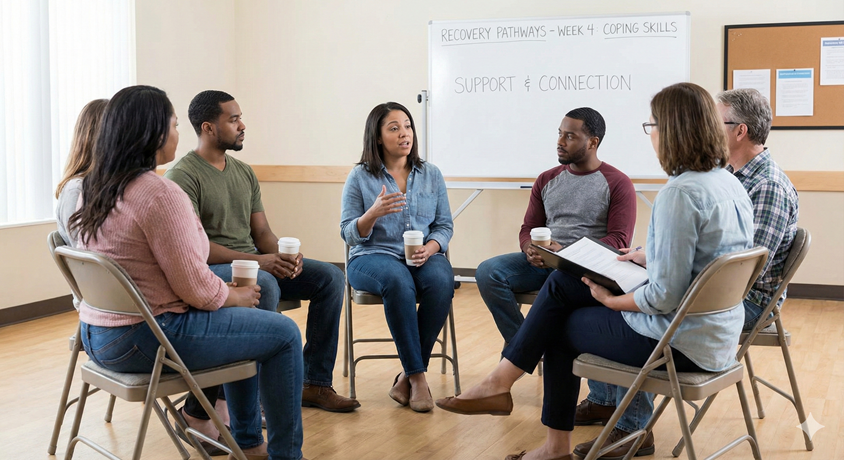
Expect peer discussion to be a primary learning tool: you’ll share experiences, practice refusal skills through role-play, and give/receive feedback under facilitator guidance. Confidentiality agreements are standard, and facilitators enforce respectful timing so each person gets 2–5 minutes during check-ins. If you’re in a court-mandated class, please note that your interactions may be documented; in contrast, voluntary groups often allow for more personal disclosure and follow-up support.
When engaging, use “I” statements and concise examples—describe a trigger, the consequence, and the coping step you tried; this clarity helps peers supply targeted feedback. Facilitators may pair you for 10-15 minute role-plays (ordering at a bar, refusing a drink) and assign homework like a three-day craving log. Should conflict arise, staff will mediate and offer private referrals or one-on-one sessions for higher-intensity needs.
To wrap up
Considering all points, you should assess alcohol abuse classes based on their accreditation, curriculum, and local accessibility to ensure they meet your needs. Enrolling in nearby programs provides peer support, structured coping skills, and professional guidance that can improve outcomes. Additionally, you should combine these classes with medical advice and a clear plan to maintain progress and safety as you work toward sustained recovery.
FAQ

Q: What are alcohol abuse classes and how do they differ from addiction treatment?
A: Alcohol abuse classes are structured educational and therapeutic programs designed to reduce risky drinking, teach coping and relapse-prevention skills, and connect participants with additional services when needed. They often focus on education about alcohol’s effects, behavioral strategies (CBT techniques, coping skills), motivational interviewing, and peer support. Addiction treatment is typically more intensive and medicalized—it may include detox, medication-assisted treatment, individual psychotherapy, and inpatient care—whereas classes are commonly outpatient, shorter in duration, and may be used as early intervention, ongoing support, or court-ordered education.
Q: Who should enroll in alcohol abuse classes?
A: People who drink too much or too little, people who are facing a DUI or other legal requirements, family members and partners who need help, and people who are moving out of higher-level treatment can all benefit. Classes are appropriate for people wanting to reduce or stop drinking but not requiring medical detox or inpatient support. Clinicians can recommend classes as part of a stepped-care approach; however, if you have a severe withdrawal history, it is important to arrange for medical supervision before attending.
Q: What topics and methods are covered during alcohol addiction classes?
A: Typical topics include how alcohol affects the body and brain, identifying triggers, coping and refusal skills, stress management, relapse-prevention planning, and building social supports. Methods include group discussion, cognitive-behavioral exercises, role-playing, motivational enhancement techniques, and sometimes family education. Some programs incorporate a 12-step orientation or connect participants with mutual-help groups, while evidence-based classes emphasize behavioral strategies and measurable goal-setting.
Q: What formats and lengths do alcohol abuse classes come in?
There are in-person groups, one-on-one counseling, live online sessions, and self-paced modules. Length varies: brief interventions can be a single session or a few hours; standard classes often meet weekly for 6-12 weeks or provide 8-20 total hours of instruction; intensive outpatient programs meet multiple times per week for several weeks. Court-ordered programs or employer-mandated classes may have specific hour requirements that range from a single evaluation to several months of monitoring.
Q: Are these classes effective at reducing alcohol use?
A: Yes—when based on evidence-based practices (CBT, motivational interviewing, contingency management) and when participants engage with the material, classes can reduce drinking, lower risk of relapse, and improve coping skills. Effectiveness depends on severity of dependence, consistency of attendance, integration with other supports (medical care, peer support), and follow-up. FoFor people with moderate to severe dependence, classes are often more effective when included as part of a broader treatment plan rather than used as the sole intervention.
Q: How do I locate excellent alcohol abuse classes close near me?
A: Search local community health centers, county behavioral health departments, hospitals, and licensed outpatient substance use clinics. Use national and state treatment locators (e.g., SAMHSA), contact your primary care provider, verify employee assistance programs (EAP), and ask local courts for approved providers if the class is mandated. Verify credentials—licensed clinicians, evidence-based curriculum, and clear referral pathways for higher-level care—and read reviews or request program outcomes before enrolling.
Q: What should I know about cost, insurance, confidentiality, and legal issues?
A: Many classes are covered by private insurance or Medicaid or offered on a sliding scale; community clinics and nonprofits may provide free or low-cost options. Confidentiality is protected by privacy laws (HIPAA) and, for substance use treatment records, additional federal protections (42 CFR Part 2) that limit disclosure without consent; exceptions exist for court orders, imminent harm, or reporting requirements. If classes are court-ordered, attendance and completion may be reported to the court. Please verify the billing, record-sharing policies, and any mandatory reporting requirements with the provider prior to beginning.
Alcohol Abuse Classes Near Me
When searching for alcohol abuse classes, it is imperative that you select a reputable organization with a proven track record. Here are key factors to consider in your search:
1. Accreditation and Licensing: When you Google “Alcohol Abuse Classes Near Me,” prioritize organizations that are accredited and licensed by the state. This ensures that the programs meet established educational and ethical standards.
2. Reputation: Look for reviews and testimonials from past participants. A perfect record with the state department of licenses signifies that the organization adheres to regulatory requirements and maintains high-quality standards.
3. Acceptance by Authorities: Confirm that the classes you are considering are recognized and accepted by local law enforcement, courts, and other relevant authorities. Attending these classes due to a legal mandate is of utmost importance.
4. Qualified Instructors: Examine the qualifications and backgrounds of the instructors. They should possess relevant credentials and experience in addiction counseling and recovery support.
5. Curriculum Quality: Review the curriculum offered by the organization. Look for comprehensive programs that address various aspects of alcohol abuse, including understanding addiction, coping strategies, and relapse prevention techniques.
6. Flexibility and Accessibility: Consider the location and scheduling of classes. Online options may offer more flexibility, while in-person classes can provide valuable face-to-face support. Ensure the facility is easily accessible for your needs.
7. Support Services: Inquire about additional support services provided, such as individual counseling, group therapy, or family support. These can enhance the treatment experience and aid the recovery process.
By keeping these considerations in mind, you can confidently choose an alcohol abuse class that aligns with your needs and complies with legal requirements. Conduct thorough research and take advantage of available resources to facilitate a successful recovery journey.
If you reside in the City of Brotherly Love, Philadelphia Addiction Center stands as a symbol of optimism and support for individuals grappling with substance use challenges. Our comprehensive services encompass Drug and Alcohol Evaluations, Alcohol Abuse Classes, and DUI Classes, tailored to meet both court mandates and personal recommendations from healthcare professionals, legal advisors, or employers.
Dr. Alex Zolotov, PhD, expertly guides Philadelphia Addiction Center, ensuring the provision of high-quality care and education in a compassionate environment. Our services not only adhere to the regulations set forth by Pennsylvania courts but are also designed to empower individuals to make informed decisions regarding their recovery journey. The evaluation reports and education certificates we issue are recognized and accepted by judges across the state, ensuring that you receive the credibility and support needed to move forward.
Choosing Philadelphia Addiction Center means opting for a dedicated partner in your recovery process. We understand the complex issues surrounding addiction and are here to offer the resources and assistance necessary to foster a healthier future. Contact us today at (267) 403-3085 to learn more about our programs and take the first step towards reclaiming your life.