Help for Alcohol Addiction
Many people ask what helps alcohol addiction when they are already exhausted from trying to stop on their own. They have promised themselves they would cut back, only to end up drinking again after stress, boredom, conflict, or a hard day. By the time they search for help, the issue usually is not a lack of willpower. It is that alcohol has started to take control of behavior, routine, and decision-making.
That matters because the right help is rarely one single fix. People who improve and stay steady usually have a treatment plan that addresses cravings, habits, emotional triggers, and the situations that keep drinking in place. If you have tried to quit before and relapsed, that does not mean you cannot recover. It usually means you need a more targeted intervention.
What helps alcohol addiction in real life
The short answer is this: what helps alcohol addiction is structured treatment that matches the person, the severity of drinking, and the reasons alcohol keeps showing up. Some people need a strong interruption of the drinking cycle right away. Others need support for anxiety, routines, sleep issues, or stress patterns that keep leading them back to alcohol.
Treatment works better when it is specific. Generic advice like just avoid temptation or try harder often fails because addiction is not just a negative habit. It changes reinforcement patterns in the brain, weakens impulse control, and turns certain emotions or environments into triggers. That is why real treatment focuses on both the drinking and the drivers behind it.
For many adults, the most effective approach combines accountability, behavioral support, and methods that reduce the urge to drink. That can include counseling, hypnosis, auricular acupuncture, and deterrent-based treatment. The exact mix depends on how long the alcohol problem has lasted, how often the person drinks, and what has or has not worked before.
Why quitting alone often does not work
People struggling with alcohol use are often told they need more discipline. That idea keeps many from getting help early. In practice, self-control is usually weakest at the exact moments when cravings, stress, and emotional discomfort peak. If alcohol has become the default response to pressure, stopping without support can feel like trying to get through every day without it.
There is also the issue of relapse conditioning. The brain starts linking relief to alcohol. That means the urge can appear quickly and feel urgent, even when a person sincerely wants to stay sober. This is one reason treatment should not only focus on saying no. It should build a different response pattern.
Another problem is that many people have already tried the common solutions. They may have gone a few days or a few weeks without drinking, then returned to it after an argument, a social event, or a period of anxiety. When that happens repeatedly, shame builds. Shame makes people hide the problem, and hidden problems usually grow.
The treatment methods that help most
Effective alcohol treatment usually starts with interruption. If drinking is frequent, secretive, or causing family, legal, or work problems, the first goal is to break the cycle. Once that happens, treatment can start working on the reasons the cycle kept repeating.
Behavioral counseling helps by identifying triggers, distorted thinking, and the daily patterns that make alcohol feel automatic. This can be especially useful for people who drink after work, during isolation, or in response to emotional tension. Counseling raises awareness, but awareness alone is not always enough. Many people need something stronger to reduce the pull of alcohol in the moment.
That is where complementary approaches can be valuable. Hypnosis and hypnotherapy can help interrupt conditioned associations around drinking.

For some patients, alcohol is tied to relief, reward, confidence, or escape. Hypnotic work can target those associations directly and reinforce a stronger internal response to urges. It is not magic, and it is not the right fit for every person, but for motivated adults who want a focused behavioral intervention, it can be highly effective.
Auricular acupuncture, especially the NADA protocol, is often used to help regulate stress, agitation, and emotional discomfort.
Many people with alcohol problems do not just crave alcohol itself. They crave relief from what they feel without it. When the nervous system is overstimulated, staying sober can feel unbearable. Calming the stress response can make treatment more tolerable and improve follow-through.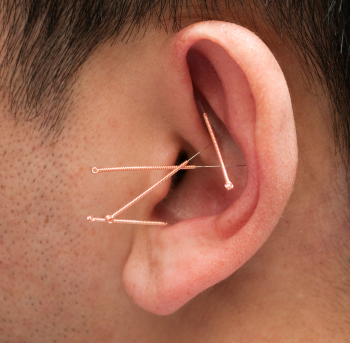
Some people also benefit from deterrent-based treatment. This approach can be appropriate when the individual wants a concrete barrier between themselves and alcohol, particularly after repeated failed attempts to stop. The benefit is not just physical deterrence. It can also create a psychological pause, enough to support new routines and stronger accountability. This option is not for everyone, but for the right patient, it can be a powerful intervention.
Esperal Implant: The Signature Treatment for Alcoholism
The most recent and well-liked method of implant therapy for alcoholism is called Esperal. There are several approaches to addressing the issue of addiction. Using an Esperal implant for alcoholism is one of the best and most effective ways to treat disulfiram. Numerous clinical investigations demonstrate the effectiveness of this implant by establishing a routine in which the patient experiences extreme “discomforts” from drinking. An Esperal antabuse implant is an option if you’re considering getting an implant for alcohol use. A grain-sized pellet will be inserted beneath your shoulder’s skin during this brief surgery. These implants can last up to 60 months, making them incredibly durable. You will experience nausea as soon as you drink alcohol. Above all, the implants for alcoholism provide a period when the patient is completely immune to the effects of alcohol. The person has the opportunity to address any mental and physical issues that could lead to a desire to resume harmful behaviors during this period. Antabuse implants are therefore seen as an additional safeguard during the difficult post-treatment recovery phase.
What helps alcohol addiction when relapse keeps happening
If relapse has happened more than once, the question is usually not why can this person not quit. The better question is what is missing from the treatment plan. Repeated relapse often means one of three things is happening: triggers are still too strong, treatment is too general, or the support system is too weak.
Some people need more frequent contact and closer monitoring at the beginning. Others need a method that reaches beyond talk alone. If a person understands their problem but still drinks anyway, insight is not the only thing they need. They may need stronger interruption tools and a more direct form of behavior change.
This is also where individualized care matters. A person drinking to shut off anxiety may need a different plan than someone drinking out of routine, loneliness, or rebellion against pressure from family. Both need treatment, but not necessarily the same kind.
At Philadelphia Addiction Center, this type of environment is where specialized care can make a difference. Adults who do not want a standard rehab model often respond well to a focused, private, treatment-oriented setting that combines clinical direction with holistic methods. For the right person, that can feel more practical, more personal, and more possible to start.
When fast action matters
Some readers are not casually researching. They are in trouble now. Drinking may already be affecting custody concerns, employment, court obligations, marriage, or health. In those cases, delaying treatment usually makes the situation harder, not easier.
Fast action matters because addiction tends to tighten its grip under stress. The more consequences pile up, the more likely a person is to drink in response to them. It becomes a loop. Treatment interrupts that loop and provides the person a clear next step instead of yet another promise they might break.
For individuals dealing with legal pressure or court-related requirements, structured evaluation and documented treatment can also provide a path forward. That does not replace recovery work, but it can reduce chaos and turn a crisis into a starting point.
How to choose the right kind of help
The best treatment is the one a person will actually begin and continue. That may sound simple, but it is one of the most important truths in addiction care. A perfect plan that feels too overwhelming or impersonal often gets avoided. A clear, direct plan with real support is more likely to produce change.
If you are evaluating options, ask whether the treatment addresses cravings, behavior patterns, emotional triggers, and accountability. Ask whether it is personalized or one-size-fits-all. Ask what happens if you have already tried to quit and failed. The answers matter.
It also helps to be honest about what you need. Some people need privacy. Some need urgency. Some need an alternative to conventional approaches because those approaches never felt right for them. Wanting a nontraditional path does not mean you are not serious about recovery. For many people, it means they are finally looking for a method that matches how they actually function.
What helps alcohol addiction is not hope by itself. It is action, structure, and the right intervention at the right time. If drinking keeps returning, that is a sign to stop managing the problem alone and start treating it with the seriousness it deserves. The strongest next step is often the one taken before alcohol causes one more loss you cannot take back.
Philadelphia Addiction Center is the #1 Outpatient Treatment Facility for Alcohol Abuse
While alcoholism treatment centers are located in almost every state of the US, not all of them can prove a high success rate in the treatment of alcohol abuse. Philadelphia Addiction Center, the subdivision of the Philadelphia Holistic Clinic, is known as the home for the “Esperal Implant” on the East coast of the USA. The success rate of the treatment provided at the center is way above average in the industry. For more information about Esperal treatment for alcohol abuse, contact Philadelphia Addiction Center at (267) 403-3085