Alcohol Addiction Treatment Free Options
When someone searches for alcohol addiction treatment free, they are usually not browsing. They are trying to solve a problem before it gets worse—before another blackout, another fight at home, another missed shift, another legal consequence. Cost matters, but so does speed. If you need help now, the real question is not just whether support is free. It is whether that support is available, appropriate, and strong enough for what you are dealing with.
What “alcohol addiction treatment free” usually means
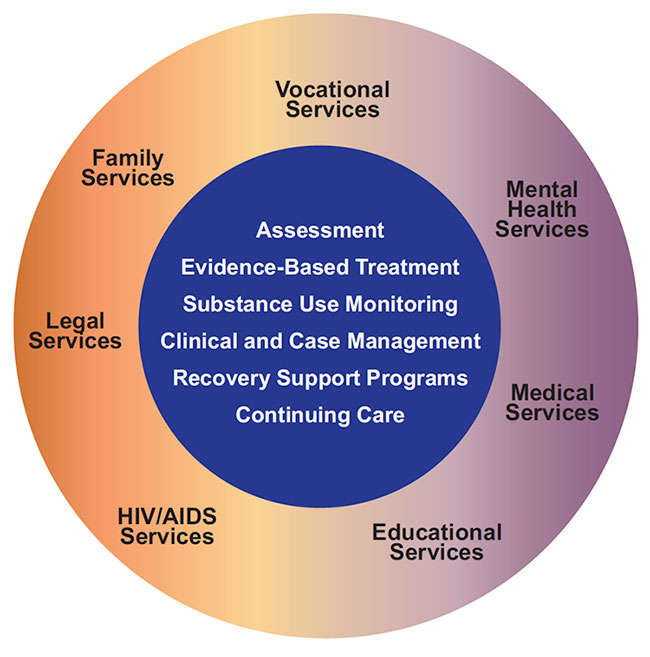
Free treatment can be real, but it rarely means unlimited one-on-one care with immediate scheduling and a customized plan. In most cases, it means publicly funded services, nonprofit support, peer recovery meetings, crisis lines, hospital-based assessments, or community programs with restricted availability. Those resources can be valuable, especially for someone who has no budget at all, but there are trade-offs.
The biggest trade-off is access. Many free or low-cost programs have waiting lists, limited hours, or strict eligibility rules. Some are designed for brief stabilization, not ongoing treatment. Others offer general counseling but not the specialized intervention a person may need after repeated relapse, high-functioning dependence, or pressure from family, employers, or the court system.
That does not make free care ineffective. It means you have to understand what it can and cannot do.
The best free options for alcohol addiction treatment
If you are looking for alcohol addiction treatment free resources in the Philadelphia area, start by focusing on programs that can either stabilize you quickly or connect you to the next level of care. Community-based support groups are often the fastest entry point. They are free, widely available, and useful for people who need structure right away. They can reduce isolation and create accountability, which matters when cravings, denial, and habit cycles are strong.
County-funded behavioral health services may also offer assessments, referrals, outpatient counseling, or case management. For some people, this is the right starting point, especially if finances are extremely tight. Hospital emergency departments can help in a crisis, particularly if withdrawal risks are present or alcohol use has created a medical emergency. These settings are not long-term treatment, but they can be the safest first move.
Faith-based organizations and nonprofit counseling programs sometimes offer no-cost or sliding-scale support. These can help if you are motivated, stable enough for outpatient care, and willing to work within the structure offered. The limitation is that quality, specialization, and consistency vary. One program may be highly organized. Another may be little more than a basic referral source.
Where free treatment for alcohol addiction can fall short
People often assume the main advantage of free care is obvious and the only downside is convenience. That is not usually the case. The bigger issue is fit.
Alcohol dependence is not one-size-fits-all. Some people drink daily and cannot stop without intense anxiety, insomnia, and agitation. Others binge hard on weekends, keep working, and still tell themselves they have control. Some need privacy because their job, license, or family situation cannot absorb public fallout. Some have already sat through standard counseling and left unchanged.
A free program may not offer the level of intensity, discretion, or specialization that your situation requires. If you need a formal alcohol evaluation, treatment documentation, or a structured therapeutic response that addresses compulsion directly, general resources may not be enough. If you have tried to quit repeatedly and keep returning to the same pattern, more of the same may only waste time.
This is where people get stuck. They search for free help because money is a concern, but what they really need is effective intervention.
When private treatment makes more sense
Private care is not the right choice for every person. But if you want fast scheduling, individualized attention, and a treatment plan built around your specific drinking pattern, private treatment often delivers what free systems cannot.
That matters when consequences are escalating. If alcohol is affecting your marriage, your job performance, your probation requirements, or your physical health, waiting weeks for a callback is not a neutral choice. Delay usually favors the addiction.
A specialized clinic can also offer treatment approaches that fall outside the standard rehab model. For many adults, that is exactly the appeal. They are not looking for a generic lecture about drinking. They want direct, focused help that interrupts urges, addresses conditioned behavior, and gives them a realistic way to stop.
At Philadelphia Addiction Center, that means treatment can include hypnotherapy, hypnosis, auricular acupuncture using the NADA protocol, alcohol-focused interventions, and personalized therapeutic planning. For the right patient, these services offer a practical alternative to approaches that have already failed.
Why alternative methods attract people who are tired of failing
Many adults delay treatment because they assume their only options are inpatient rehab, medication-heavy care, or support groups that do not feel like a fit. That belief keeps people drinking longer than they should.
Alternative and holistic services appeal to a different kind of patient. Often, this is someone who still functions on the surface but knows alcohol is running the show underneath. Or someone who has tried to stop alone, made promises, relapsed, and is now losing credibility with the people around them. They do not want a vague wellness experience. They want a decisive intervention that feels personal and targeted.
Hypnosis and hypnotherapy can help disrupt automatic drinking behaviors, reduce mental resistance, and strengthen motivation. Auricular acupuncture through the NADA protocol is often used to support calm, reduce internal agitation, and help patients tolerate early recovery more effectively. These methods are not magic. They work best when they are part of a structured treatment strategy and matched to the right person. But for many patients, they provide traction where willpower alone has not.
How to judge whether free care is enough
The answer depends on severity, urgency, and your history. If your drinking is creating mild but growing problems and you are highly motivated, a free support option may be a smart place to begin. If you can attend consistently, stay honest, and act on referrals, free resources can help you build momentum.
If your drinking has become repetitive, secretive, or risky, the standard is different. If family members are fed up, if you are facing legal pressure, if your body reacts badly when you stop, or if you have already failed with basic support, then low-cost access is no longer the only issue. Effectiveness becomes the issue.
Ask yourself a few plain questions. Have you tried to quit and failed more than once? Are consequences stacking up faster than you can contain them? Do you need treatment that is private, prompt, and documented? Do you want a plan that is centered on alcohol specifically rather than broad mental health services? If the answer is yes, then free care may be too limited for your situation.
What to do next if cost is stopping you and alcohol addiction treatment free options failed
Do not use cost as a reason to do nothing. That is the mistake addiction counts on. Start by finding out what level of help you actually need. In some cases, a brief consultation can clarify whether community resources are appropriate or whether a more structured private approach will save time, damage, and repeated relapse.
If your concern is affordability, ask direct questions. Is there a consultation available? Is there a focused outpatient option instead of a larger program? Can treatment be tailored around your schedule and level of severity? The right clinic should be able to explain the path forward clearly, not hide it behind vague language.
What matters most is movement. Not endless research. Not another private promise to quit next week. Action.
Free alcohol treatment has a place. For some people, it is the first door that opens. But when alcohol use is costing you peace, control, trust, or legal standing, the cheapest option is not always the best option. The best option is the one that gets you treated before the damage deepens.
If you are ready for real change, choose the kind of help that matches the seriousness of the problem.
Philadelphia Addiction Center is the #1 Outpatient Treatment Facility for Alcohol Abuse
While alcoholism treatment centers are in almost every state of the US, not all of them can prove a high success rate in the treatment of alcohol abuse. Philadelphia Addiction Center, the subdivision of the Philadelphia Holistic Clinic, is known as the home for the “Esperal Implant” on the East coast of the USA. The success rate of the treatment provided at the center is way above average in the industry.
For more information about Esperal treatment for alcohol abuse, contact Philadelphia Addiction Center at (267) 403-3085