NADA
When a craving hits, advice alone may not feel like enough. You may understand exactly what alcohol, cigarettes, or gambling has cost you and still feel pulled toward the same behavior when stress, anger, loneliness, or habit takes over. That is where NADA protocol benefits can matter. This focused form of auricular acupuncture is designed to help settle the nervous system and give you a more workable starting point for treatment.

At Philadelphia Addiction Center, auricular acupuncture can be used as part of an individualized plan for people who want a private, nontraditional path forward. It is not a substitute for commitment, counseling, or addressing the triggers behind a destructive pattern. It can, however, help create the calmer internal state that makes those steps easier to take.
What Is the NADA Protocol?
The NADA protocol is a standardized ear acupuncture approach. A trained practitioner places small, sterile needles at five 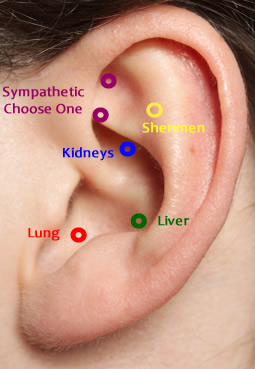 specific points in each ear: Shen Men, Sympathetic, Kidney, Liver, and Lung. Sessions are typically quiet and simple. After the needles are placed, you sit comfortably for a period of rest, often in a calm group or individual setting.
The protocol was developed for behavioral health and recovery settings because it is practical, low-intensity, and easy to integrate with other services. It does not require you to tell your entire story during the appointment. For someone who feels overwhelmed, guarded, or exhausted from trying to quit, that simplicity can be a real advantage.
Auricular acupuncture is a complementary treatment, not a guaranteed cure. Response varies from person to person. Some people notice a sense of calm after the first session, while others find that the effect becomes more useful with consistent appointments. The value is in using it purposefully, alongside a treatment plan built around your specific pattern and goals.
NADA Protocol Benefits During Recovery
The most meaningful NADA protocol benefits are often felt in the moments when recovery is hardest to hold onto: after an argument, during a restless evening, before a stressful obligation, or when an old routine creates an urge. By supporting relaxation and emotional regulation, the protocol may help reduce the intensity of the internal pressure that can drive impulsive choices.
A calmer response to stress
Stress plays a significant role in alcohol misuse, nicotine dependence, and gambling problems. It is often the trigger. A difficult workday can lead to a drink. A tense phone call can lead to a cigarette. Financial worry, boredom, and frustration can restart a gambling cycle.
NADA sessions are intended to promote a quieter, more settled state. That does not remove the problem that caused the stress. It can give you a pause between the feeling and the reaction. In treatment, that pause is valuable. It creates room to use the strategies you are learning rather than acting automatically.
Use NADA protocol benefits. It supports when cravings feel urgent.
Cravings are temporary, but they can feel commanding. They may arrive as physical restlessness, racing thoughts, irritability, or a strong mental picture of relief. Auricular acupuncture may support people who are working through these uncomfortable periods by helping them feel more grounded and less agitated.
This technique is especially useful when cravings connect to a familiar time or place. Someone trying to stop smoking may struggle during a commute or after meals. Someone reducing alcohol use may feel pressure at night or on weekends. Someone avoiding gambling may become restless when alone with a phone. NADA can become one part of a planned response to those high-risk moments. 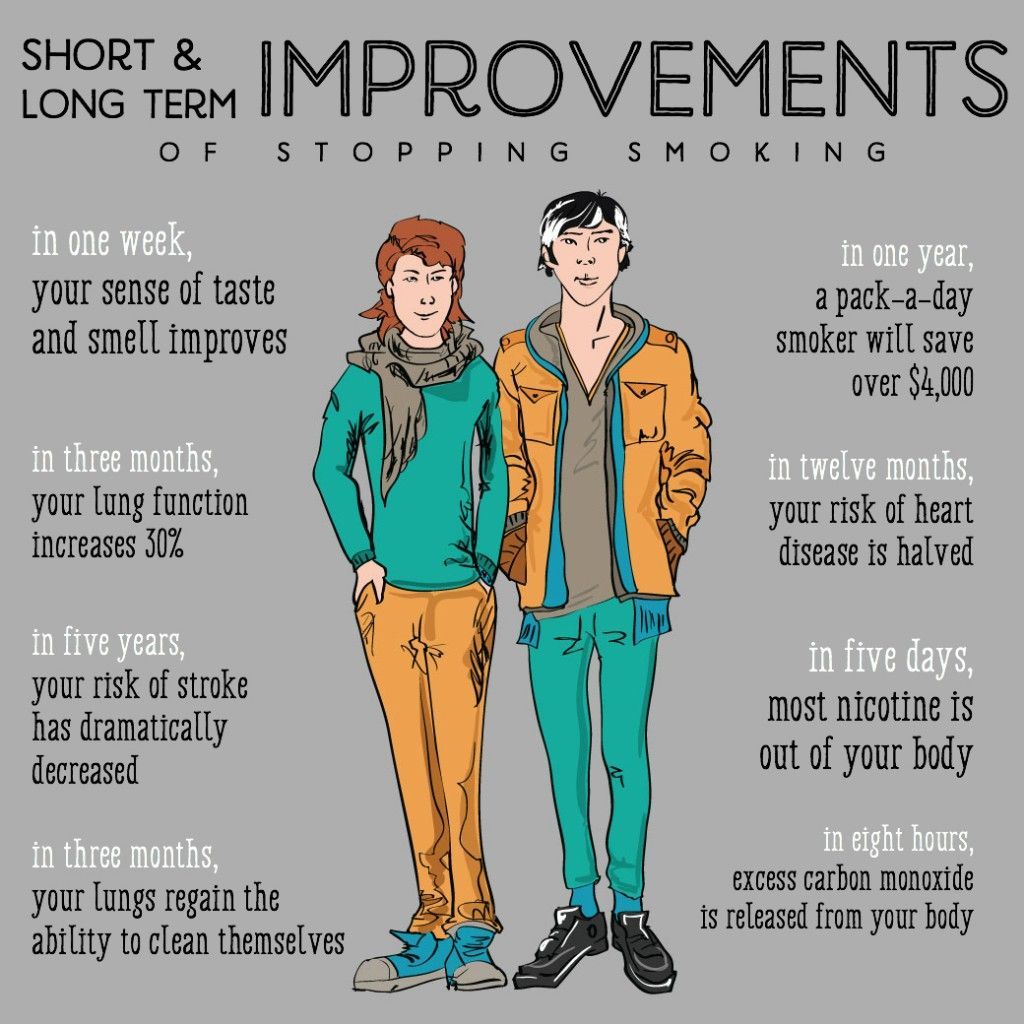
Better focus for the work of change
Recovery asks you to make repeated decisions differently. You need to recognize patterns, tolerate discomfort, establish boundaries, and follow through when motivation dips. That work is harder when your mind feels scattered or constantly on alert.
Many people seek NADA treatment because they want to feel more centered. A calmer session can make it easier to participate in hypnotherapy, discuss goals honestly, complete a court-related evaluation, or simply think clearly about the next 24 hours. The protocol does not do the work for you. It may help you arrive in a better state to do this.
NADA protocol benefits: A non-medication-focused option
Some people are looking for support that does not begin with a medication-heavy approach. Others may want a complementary service alongside care they are already receiving. NADA is non-pharmaceutical and minimally invasive, which is part of its appeal for people seeking a holistic option.
That said, a non-medication-focused approach should still be clinically thoughtful. If you have a medical condition, are pregnant, take prescription medications, have a bleeding concern, or have a history of fainting with needles, discuss it before treatment. Your provider can help determine whether auricular acupuncture is appropriate and how it fits safely into your overall care.
How NADA Can Fit Alcohol, Smoking, and Gambling Treatment
The same protocol may be used across different dependency patterns, but the treatment conversation should not be generic. The reasons you drink, smoke, or gamble matter. So do the consequences, the level of urgency, and the situations where you are most likely to relapse.
For alcohol-related concerns, NADA may be used to support calm during periods of heightened stress, irritability, or sleep disruption. It should be paired with a clear plan for managing triggers and reducing access to alcohol. If you experience severe withdrawal symptoms, urgent medical evaluation is necessary. Auricular acupuncture is not emergency care and should never be relied on as a substitute for medical supervision.
For nicotine dependence, sessions can complement a quit plan by giving you a structured pause when habitual smoking cues appear. The goal is not merely to endure the urge. The goal is to build a new response to it. Hypnosis, behavioral strategies, and repeat acupuncture sessions may be considered together based on your needs.
For gambling addiction, the challenge is often emotional intensity and immediate access. NADA may help support a calmer state while you put practical barriers in place, such as limiting access to funds, avoiding triggering apps or locations, and involving a trusted support person when appropriate. Treatment should address both the urge to gamble and the conditions that keep the cycle going.
What a NADA Appointment Is Like
A NADA appointment is straightforward. Your practitioner reviews relevant health information, explains the process, and places tiny needles in specific ear points. You then sit quietly while the treatment takes effect. Some people close their eyes or use the time to reset before returning to a demanding day.
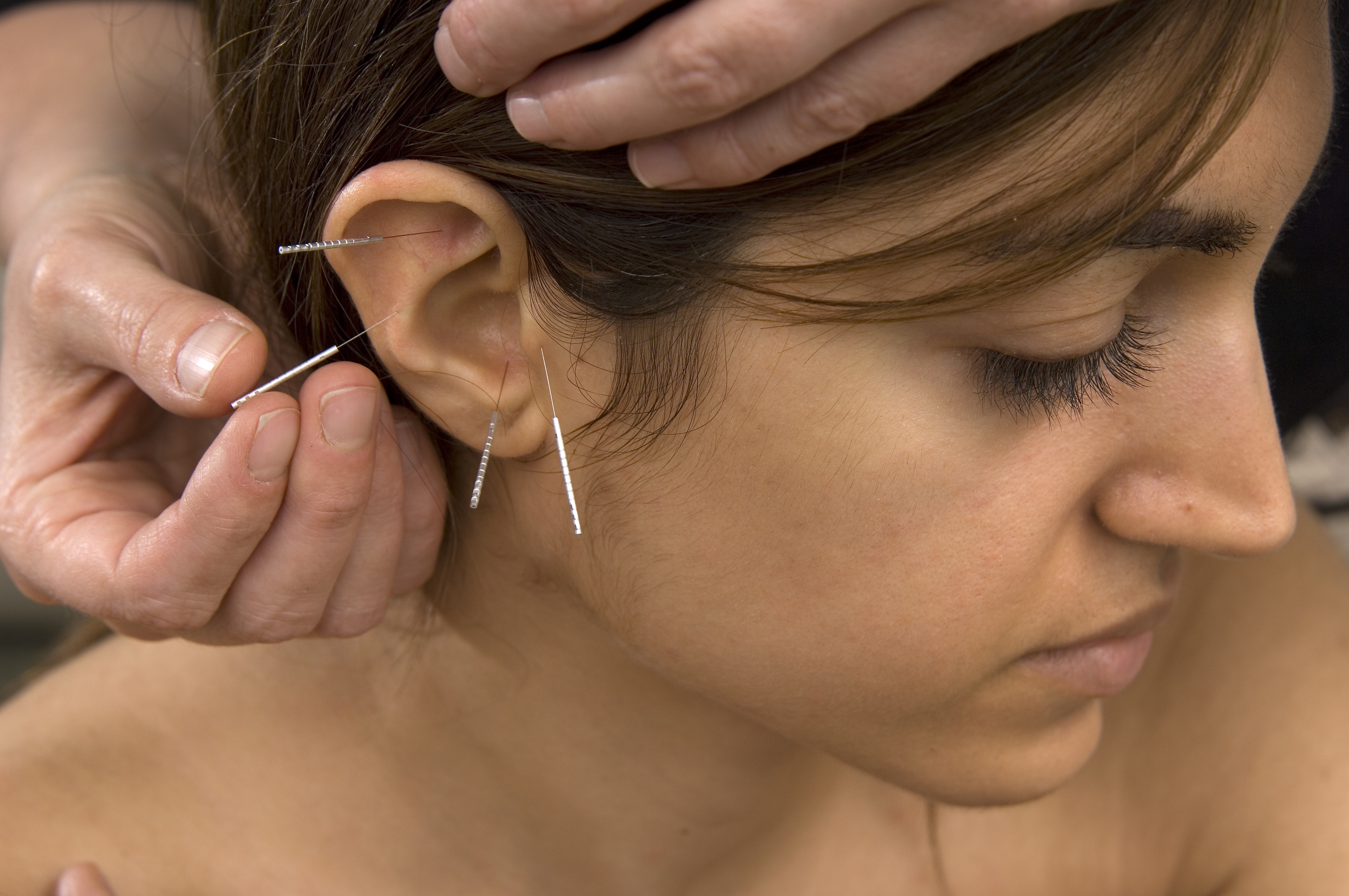
You may feel a brief pinch during needle placement, followed by little or no sensation. Mild tenderness or temporary redness at the ear can occur. Most people tolerate the session well, but comfort matters. If you are anxious about needles, say so. Treatment should feel supportive, not like another demand you have to force yourself through.
Frequency depends on your goals and response. Early recovery or a particularly stressful period may call for more regular sessions. Others use NADA as ongoing support while they strengthen new habits. A qualified provider can recommend a schedule that makes sense for your circumstances instead of offering a one-size-fits-all promise.
Choosing a Treatment Plan That Goes Beyond Willpower
Willpower has a role, but it is rarely enough by itself. Addictive behaviors become tied to routines, emotions, environments, and the brain’s expectation of quick relief. Effective care addresses the pattern from more than one direction.
NADA protocol benefits are strongest when they are part of a focused plan. That plan may include hypnotherapy to address ingrained associations, practical relapse-prevention work, accountability, and targeted treatment for the behavior causing harm. For people facing family pressure, workplace concerns, legal consequences, or a court-ordered alcohol evaluation, a structured approach also provides clarity about what happens next.
The right treatment is the one you can engage with consistently and honestly. If conventional programs have not felt like the right fit, a more individualized, holistic approach may give you a different way to begin. The next useful step is not waiting until life becomes more manageable. It is choosing support while the pattern is still costing you something you want back.
Philadelphia Addiction Center is the #1 Outpatient Treatment Facility for Alcohol Abuse.
While alcoholism treatment centers are in almost every state of the US, not all of them can prove a high success rate in the treatment of alcohol abuse. Philadelphia Addiction Center, the subdivision of the Philadelphia Holistic Clinic, is known as the home for the “Esperal Implant” on the East Coast of the USA. The success rate of the treatment provided at the center is way above average in the industry.
For more information about Esperal treatment for alcohol abuse, contact the Philadelphia Addiction Center at (267) 403-3085