Smoking Cessation Aids
The cigarette after coffee, the drive home, the tense phone call, the break outside work—these are not small details. These situations can pull a person back to smoking even after they have decided to quit. Smoking cessation aids can reduce nicotine cravings, but the strongest plan also addresses the routines, emotional pressure, and automatic responses that keep nicotine dependence in place. 
For many adults, trying to quit alone has already become a frustrating cycle: stop, feel deprived or irritable, smoke during a stressful moment, then decide the attempt has failed. That cycle is not proof of weakness. It is a sign that the treatment approach needs to match both the physical dependence and the learned habit.
What Smoking Cessation Aids Can Actually Do
A cessation aid is not a test of willpower. It is a tool that can make the first difficult weeks more manageable while you build a different response to cravings. The right choice depends on how much you smoke, when cravings hit, your medical history, prior quit attempts, and whether you want medication-based, behavioral, or complementary support.
Nicotine replacement therapy can provide nicotine without the smoke produced by cigarettes. Patches deliver a steady dose during the day, while gum and lozenges can be used for sudden cravings. Some people use a long-acting option, such as a patch, together with a short-acting option for breakthrough urges. This may help reduce withdrawal symptoms such as irritability, restlessness, trouble concentrating, and strong cravings.
Prescription options may also be appropriate for some patients. These medications can reduce withdrawal symptoms or make smoking less rewarding, but they are not right for everyone. A qualified medical professional should review your health history, current medications, and potential side effects before you start one.
The limitation is clear: nicotine replacement or prescription medication can ease the physical side of quitting, but neither automatically changes what happens when you associate a cigarette with relief, reward, boredom, or a familiar daily ritual. That is where focused behavioral treatment matters.
The Habit Is Often the Harder Part
Nicotine leaves the body relatively quickly. The pattern of reaching for a cigarette can remain for much longer. A person may crave a cigarette after dinner even when physical withdrawal has eased because the brain has learned to expect smoking at that time.

Effective treatment identifies these connections instead of treating every craving as identical. Is smoking linked to anxiety before work? Is it how you create a few minutes alone? Does it happen most often when alcohol is involved, when family conflict rises, or when you are around other smokers? The answer changes the plan.
A structured approach may include setting a quit date, removing cigarettes and smoking supplies, and planning for the first high-risk moments. It also means deciding in advance what will replace the cigarette: a brief walk, slow breathing, water, gum, a phone call, or leaving the environment where the urge is strongest. The replacement does not need to be dramatic. It needs to be available when the craving arrives.
Cravings usually rise, peak, and pass. They can feel urgent, but they are temporary. Learning to wait through that wave without smoking is a practical skill, and it becomes easier with repetition.
Behavioral and Holistic Smoking Cessation Support
People who have tried patches, gum, or quitting cold turkey without success may need a more individualized intervention. At Philadelphia Addiction Center, smoking treatment can incorporate hypnosis and auricular acupuncture alongside a focused cessation plan. These services are intended to help people interrupt entrenched patterns, manage stress, and approach quitting with more than one tool.

Hypnosis for smoking cessation focuses attention on the reasons a person wants to stop and can be used to address automatic thoughts and conditioned responses around cigarettes. It is not loss of control, and it is not a magic switch that removes every craving. The value is in working with a trained practitioner to strengthen motivation, rehearse new responses, and challenge the internal bargaining that so often precedes a relapse.
Auricular acupuncture, including approaches based on the NADA protocol, is another complementary option some people find calming during a stressful transition. Small points on 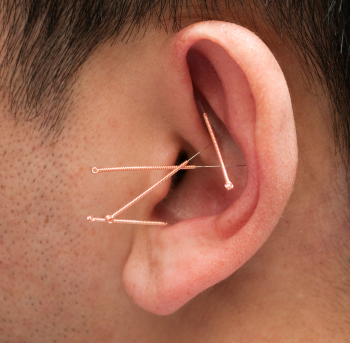 the ear are stimulated as part of a broader therapeutic plan. Research on acupuncture for smoking cessation has produced mixed results, so it should not be presented as a guaranteed stand-alone cure. For someone who wants a non-medication-centered approach to stress and cravings, however, it may be a useful addition to behavioral support.
The goal is not to force every patient into the same method. Some people benefit from nicotine replacement plus hypnosis. Others want a medication-free plan with acupuncture, trigger management, and regular accountability. A serious assessment helps determine what is realistic and safe.
Choosing the Right Aid for Your Smoking Pattern
The best smoking cessation aids are not necessarily the ones that sound most powerful. They are the ones you can use correctly and consistently while addressing the reasons you smoke.
If you wake up and smoke soon afterward, smoke throughout the day, or feel significant withdrawal when you try to stop, a nicotine replacement or prescription discussion may be especially useful. If you mainly smoke in specific settings, such as during work breaks or social events, behavioral planning may deserve equal attention from the start. Many people have both forms of dependence.
Consider these questions before choosing a plan: How many cigarettes do you smoke on a typical day? What has caused past quit attempts to unravel? Are you trying to stop cigarettes only, or are you also using vapes or other nicotine products? Do you have health conditions, take regular medication, or have a history that makes medical review essential?
Pregnant individuals, people with certain medical conditions, and anyone considering prescription treatment should get individualized clinical guidance. The same is true if depression, severe anxiety, or another mental health concern becomes more difficult during a quit attempt. Quitting smoking is a major health decision, not something you need to white-knuckle in private.
Plan for Lapses Before They Happen
One cigarette does not erase progress. It is a lapse, not an automatic return to full-time smoking. The critical moment is what happens next.
Instead of saying, “I blew it,” identify what led to the cigarette. Maybe you skipped meals, stayed in a stressful environment too long, drank alcohol, or assumed the craving would be easy to handle. That information is valuable. Adjust the plan the same day rather than waiting for another Monday, another month, or another crisis.
Accountability also matters. Tell one trusted person what you are doing and what kind of support helps. Some people need encouragement; others need a direct reminder of why they chose to quit. If home, work, or family pressure is fueling smoking, treatment should make room for that reality rather than pretending cigarettes exist separately from the rest of your life.
A Decisive Start Can Change the Pattern
The right time to seek help is before another failed attempt turns into another year of smoking. A personalized smoking cessation plan can combine craving management, behavioral intervention, and complementary care in a way that fits your actual routine. The first step is not proving that you can do it alone. It is choosing support that gives you a clear, practical way to stop.
Philadelphia Addiction Center is the #1 facility for smoking cessation aids.
Philadelphia Addiction Center, the subdivision of the Philadelphia Holistic  Clinic, is known as the home for the “Esperal Implant” and anti-tobacco smoking cessation aid on the East Coast of the USA. The success rate of the treatment provided at the center is way above average in the industry.
For more information about Esperal treatment for alcohol abuse, contact the Philadelphia Addiction Center at (267) 403-3085